
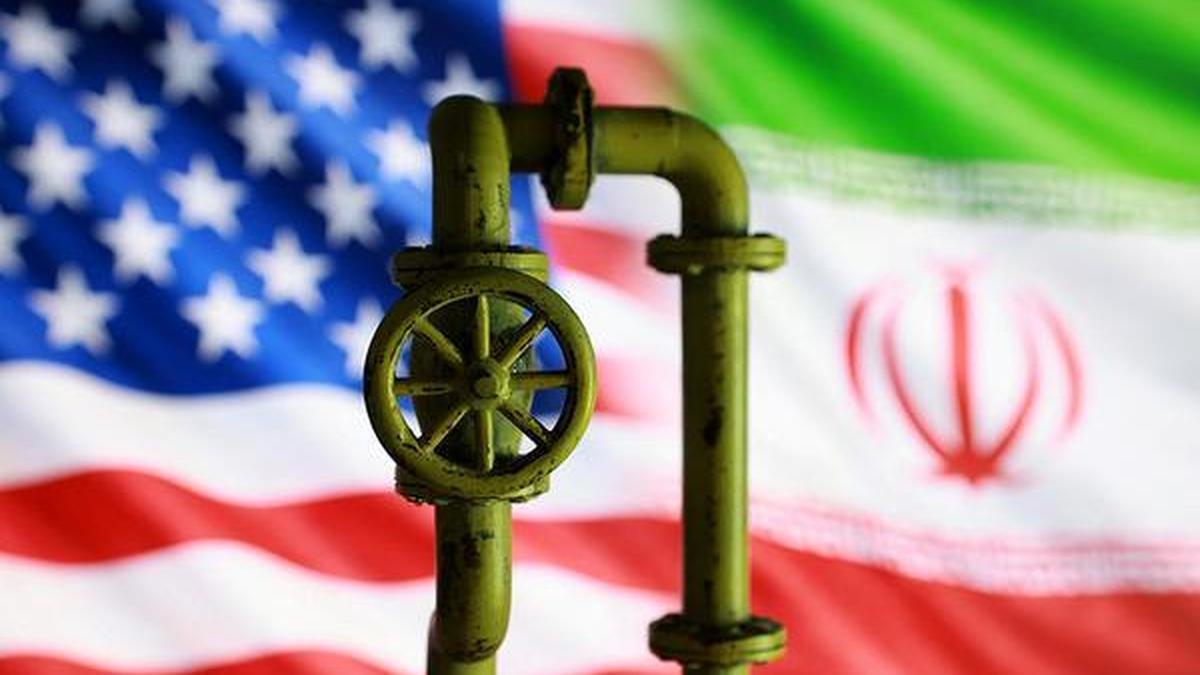
Gold futures in India surged to ₹1.59 lakh per 10 grams on Monday, May 25, 2026, as optimism over a potential U.S.-Iran peace deal clashed with Iran’s own warnings that a final agreement remains elusive. The rally, driven by a weaker U.S. dollar and cautious markets, underscored the delicate balance between diplomatic progress and lingering regional tensions. While Tehran insists a breakthrough is still months away, the financial markets are already pricing in a shift—and Israel finds itself increasingly sidelined in a conflict it helped ignite.
Gold’s Surge: The Market’s Bet on Diplomacy
The Multi Commodity Exchange saw gold for June delivery jump ₹426 (0.27%) to ₹1,59,105 per 10 grams, with trading volume hitting 5,312 lots. The move mirrored global trends, where precious metals often rally ahead of perceived geopolitical stabilization. Gaurav Garg, a research analyst at Lemonn Markets Desk, framed the shift bluntly: “Gold prices saw a notable uptick on Monday, driven primarily by a weaker U.S. dollar and optimism surrounding a potential U.S.-Iran peace deal.”

“Gold prices saw a notable uptick on Monday, driven primarily by a weaker U.S. dollar and optimism surrounding a potential U.S.-Iran peace deal.”
Gaurav Garg, Research Analyst at Lemonn Markets Desk
The connection between gold and diplomacy isn’t accidental. Historically, investors flock to safe-haven assets when conflict risks subside—even if the actual deal is still months away. The disparity between market sentiment and Iranian officials’ caution highlights a critical question: Is this rally based on substance, or is it merely a speculative wager on wishful thinking?
Iran’s Warning: “Not Yet Close”
While gold traders bet on a U.S.-Iran détente, Tehran’s chief negotiator delivered a stark reality check. Iranian officials have repeatedly stressed that any final agreement is not imminent, despite what some Western media might suggest. The Hindu reported that Iran’s warnings—about “overt and clandestine movements” by the U.S.—mirror a pattern of public posturing even as backchannel talks proceed. The message is clear: Markets are ahead of diplomacy.
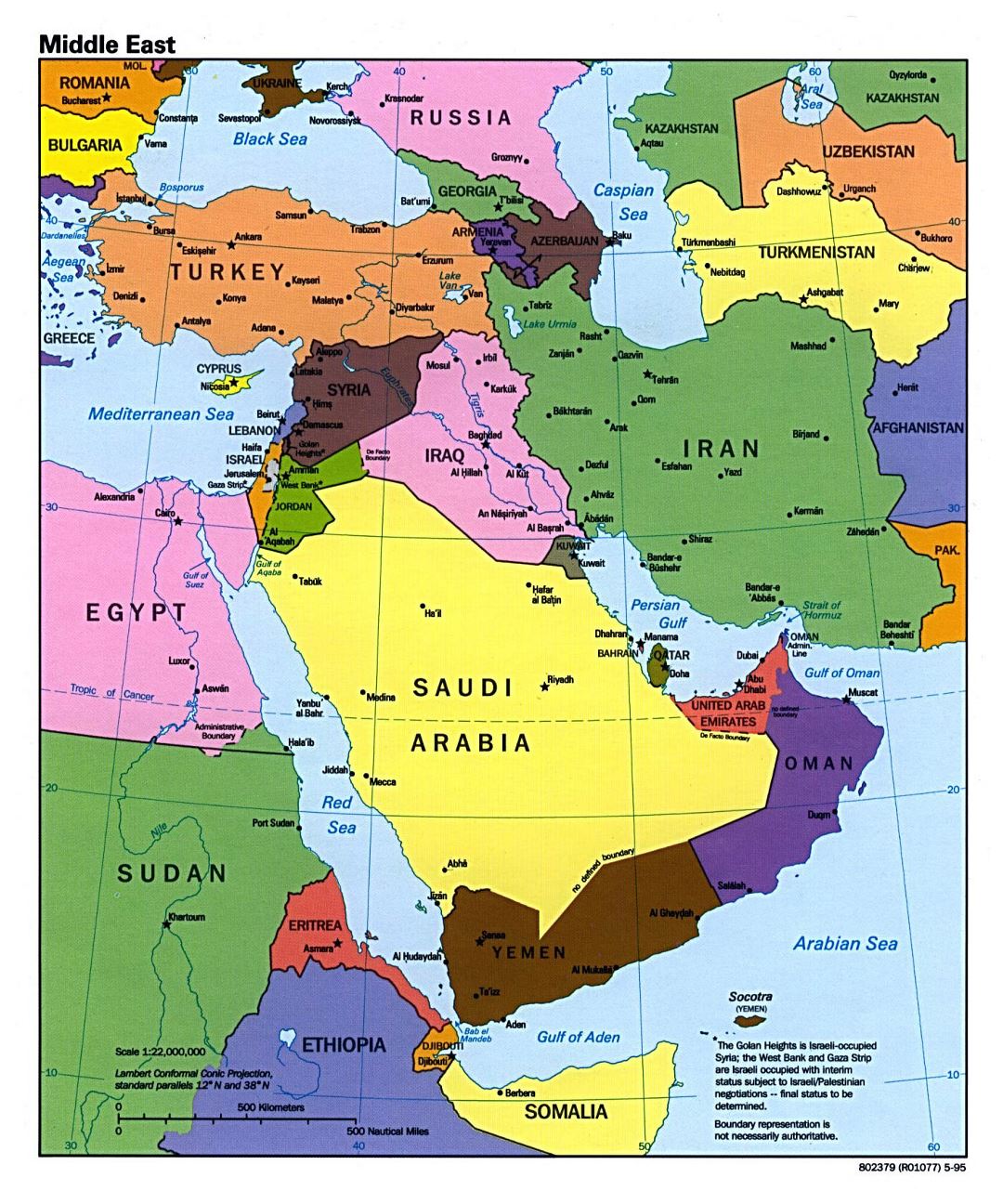
The timing of these warnings isn’t random. With U.S. President Donald Trump reportedly pushing Arab and Muslim leaders to normalize ties with Israel in exchange for an Iran deal, Tehran may be testing Washington’s resolve. The Times of Israel highlighted how Israel—once a key U.S. partner in containing Iran—now finds itself on the sidelines of what could be a historic agreement. The shift reflects a broader geopolitical realignment: Israel’s regional influence is waning as the U.S. prioritizes a broader Middle East stabilization over unilateral military pressure.
Israel’s Isolation: From Partner to Bystander
Israel’s exclusion from the Iran talks isn’t just a diplomatic snub—it’s a strategic recalibration. For decades, Jerusalem and Washington operated in lockstep against Tehran, with Israel’s intelligence and military assets playing a pivotal role in disrupting Iranian operations. But as the U.S. pivots toward a negotiated settlement, Israel’s leverage has diminished. The Times of Israel noted how Israel began the Iran conflict as a U.S. ally and may now end it without a seat at the table.
This isolation carries risks. Without U.S. coordination, Israel could face unexpected challenges—whether from Iranian proxies like Hezbollah or from domestic political pressures. The recent killing of an Israeli soldier by a Hezbollah drone in southern Lebanon serves as a reminder: The conflict isn’t over, even if the diplomatic narrative suggests otherwise. Meanwhile, Israel’s internal politics—with far-right factions like Bezalel Smotrich (who has openly mocked Palestinian activists)—could further strain its already fragile alliances.
What Comes Next: Three Scenarios
- Scenario 1: A Delayed Deal (Most Likely)
Iran and the U.S. extend negotiations into late 2026, with gold prices remaining volatile. Markets may see short-term rallies on false hope, but no lasting resolution.
cluster (priority): britannica.com - Scenario 2: A Partial Agreement (Moderate Risk)
A limited deal on nuclear restrictions or regional security emerges, but sanctions remain in place. Israel could face pressure to accept a “lesser evil” outcome to avoid further isolation.
- Scenario 3: Escalation (Low but Growing)
If talks collapse, Iran could escalate attacks on U.S. or Israeli assets, dragging the region back into open conflict. Gold would spike, but the economic fallout would be far worse.
The most plausible outcome—a prolonged negotiation phase—suggests that while gold traders are betting on peace, the actual geopolitical chessboard remains in flux. For Israel, the bigger question isn’t whether a deal will happen, but what happens to Jerusalem when it does. With its military and intelligence assets no longer central to U.S. strategy, Israel’s future in the Middle East may depend less on Washington and more on its own ability to navigate a rapidly changing regional order.
The Bigger Picture: Why This Matters Beyond Gold
The Israel-Iran dynamic isn’t just about two adversaries. It’s about the entire architecture of Middle East alliances. The U.S. is recalibrating its approach, Arab states are hedging their bets, and Israel is left grappling with the consequences of a world where its traditional security guarantees are eroding. The gold market’s reaction is a microcosm of this shift: investors are pricing in the possibility of stability, but the real-world power dynamics are far more complex.
For now, the focus remains on two fronts: the slow-moving diplomacy between Tehran and Washington, and the quiet but critical realignment in Jerusalem. One thing is certain—neither gold prices nor diplomatic timelines will tell the full story of what’s coming next.
