The Estadio Akron in Guadalajara, Mexico, has undergone a $750 million renovation ahead of its role as a host venue for the 2026 FIFA World Cup, with upgrades including a new VIP zone and expanded seating capacity. The investment reflects Mexico’s push to deliver world-class infrastructure for the tournament’s opening matches, including a high-profile clash between Uruguay and Spain on June 26.
A $750 Million Transformation for the World Cup
Estadio Chiva Guadalajara FIFA 2026 construcción
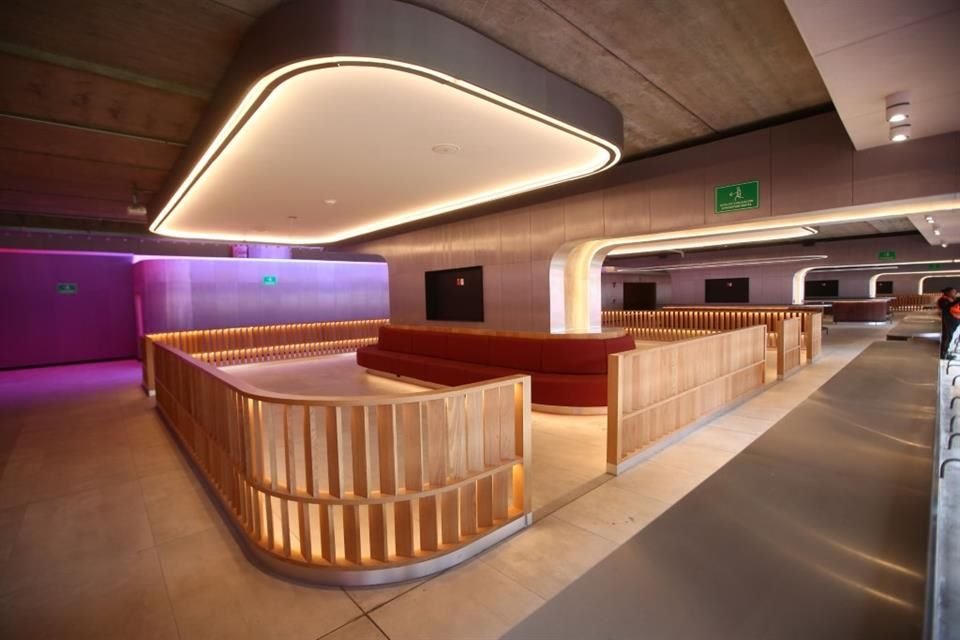
The Estadio Akron—officially known as Estadio Guadalajara—has been the subject of a sweeping modernization effort, with officials confirming a $750 million investment to prepare the stadium for its World Cup duties. According to Mural, the upgrades include a new VIP area, enhanced spectator facilities, and structural improvements to meet FIFA’s safety and accessibility standards. The stadium, which will host matches in the tournament’s opening weeks, is now positioned as one of Mexico’s flagship venues alongside the Aztec Stadium in Mexico City and the Estadio BBVA in Monterrey.
The renovation aligns with broader efforts to position Guadalajara as a key hub for the tournament, leveraging its central location in Mexico’s western region. While the exact timeline for completion was not detailed in the sources, the upgrades appear to be finalized, given the proximity to the June 26 opener.
Why This Stadium Matters for the 2026 World Cup
cluster (priority): RÉCORD
The Estadio Akron’s significance extends beyond its physical transformation. As one of the 16 host venues across the U.S., Canada, and Mexico for the 2026 World Cup—the first to be played across three countries—the stadium represents a critical test of Mexico’s ability to deliver a seamless experience for fans and teams alike. The June 26 match between Uruguay and Spain, a clash featuring two of the tournament’s most storied national teams, will serve as a de facto opening act for the Mexican leg of the competition.
The stadium’s upgrades also reflect broader trends in World Cup infrastructure, where host nations are increasingly prioritizing fan experience over pure capacity. The new VIP zone, for instance, suggests an effort to attract high-profile attendees, including corporate sponsors and international media. Meanwhile, the structural improvements—while not explicitly detailed in the sources—are likely aimed at ensuring the stadium meets FIFA’s stringent safety protocols, particularly given its role in hosting matches during the tournament’s opening phase.
What’s Next for Estadio Akron and the World Cup
Amaury Vergara: Guadalajara va en buen camino para ser sede mundialista en 2026
With the renovations complete, the focus now shifts to the operational readiness of the stadium. While the sources do not specify details about staffing, security, or logistical preparations, the investment suggests a commitment to ensuring the venue runs smoothly. The June 26 match will be the first major test, with expectations high for both the on-field performance and the behind-the-scenes execution.
For fans, the upgrades mean improved amenities, including better seating, enhanced concessions, and—critically—a VIP experience that rivals those in other host cities. The stadium’s location in Guadalajara, a city with a rich football culture and strong local support for Chivas (the region’s premier team), also ensures a vibrant atmosphere. However, the real measure of success will be whether the infrastructure holds up under the pressure of international competition.
Beyond the immediate tournament, the Estadio Akron’s renovation could have long-term implications for Guadalajara’s sports landscape. If the World Cup experience is positive, it may spur further investment in local sports facilities, positioning the city as a regional hub for football and other major events.
The Bigger Picture: Mexico’s World Cup Ambitions
cluster (priority): mural.com.mx
Mexico’s decision to co-host the 2026 World Cup alongside the U.S. and Canada was a strategic one, aiming to showcase the country’s ability to deliver a globally competitive tournament. The Estadio Akron’s upgrades are part of a broader push to ensure that Mexico’s venues are not just functional but iconic.
While the sources do not provide a direct comparison to other host cities, the $750 million investment is substantial—particularly when considering that many of the tournament’s venues in the U.S. and Canada have undergone similar (though often more extensive) renovations. The focus on the VIP experience, for example, mirrors trends in other host nations, where luxury seating and high-end amenities are increasingly seen as essential for attracting top-tier attendees.
For football fans, the Estadio Akron’s transformation is more than just a renovation—it’s a symbol of Mexico’s growing influence in the sport. As the tournament approaches, the stadium will be under the microscope, with every detail—from the quality of the pitch to the efficiency of the concessions—subject to scrutiny. The June 26 match against Uruguay and Spain will be the first real test, and if successful, it could set the tone for the rest of Mexico’s World Cup experience.
One question that remains unanswered is how the stadium’s upgrades will impact local football. Chivas, Guadalajara’s beloved team, plays its home games at the Estadio Akron, and any changes to the venue could affect the club’s operations. However, given the scale of the investment, it’s likely that the renovations will benefit both the World Cup and Chivas in the long run—provided the infrastructure is maintained post-tournament.
What to Watch For in the Coming Weeks
As the World Cup draws nearer, several key developments will shape the Estadio Akron’s legacy:
Matchday operations: How smoothly does the stadium handle crowd flow, security, and fan services during the Uruguay vs. Spain game?
Fan experience: Are the new VIP amenities up to the standards set by other host cities, or will they fall short of expectations?
Post-tournament plans: Will the upgrades lead to further investment in Guadalajara’s sports infrastructure, or will the focus shift elsewhere?
Legacy impact: Does the World Cup experience boost local pride and attendance for Chivas, or does it overshadow the club’s home games?
For now, the Estadio Akron stands as a testament to Mexico’s ambition to leave a lasting impression on the 2026 World Cup. Whether it delivers on that promise remains to be seen—but the renovations suggest that the country is serious about making its mark.


,autocrop(1200:630) "cluster (priority): RÉCORD")

