
Sigitas Klymantas, a Tauragė resident and animal welfare advocate, found his dedication too rescuing animals unexpectedly scrutinized by environmental authorities. After providing sanctuary to three injured geese,an anonymous complaint triggered an official inspection of his rural homestead-a property well-known for its diverse collection of animals and educational visits. The situation highlights a growing tension between private animal rescue efforts and Lithuanian environmental regulations, raising questions about the standards for keeping and caring for non-native bird species. Klymantas’ case underscores the challenges faced by individuals providing animal welfare services while navigating complex legal frameworks.
For nearly a quarter of a century, Sigitas Klymantas has welcomed a variety of animals to his rural homestead in Rūgalių village. The property has become a popular destination for students from surrounding schools, offering a chance to observe alpacas, peacocks, rabbits, and other creatures.
Klymantas also serves as the chairman of the Tauragė branch of the Animal Welfare Society, providing a sanctuary for animals whose owners are no longer able to care for them. This commitment to animal welfare recently led to an unexpected visit from environmental authorities.
Injured Birds Find Refuge on the Homestead
Recently, Klymantas took in three geese with an unusual appearance after they were brought to his property from a nearby homestead in Juknaičiai. The previous owners were unable to provide adequate care for the birds, one of which had a damaged wing and another that was lame. Providing care for vulnerable animals is a critical aspect of public health, as it can prevent the spread of disease and ensure animal wellbeing.
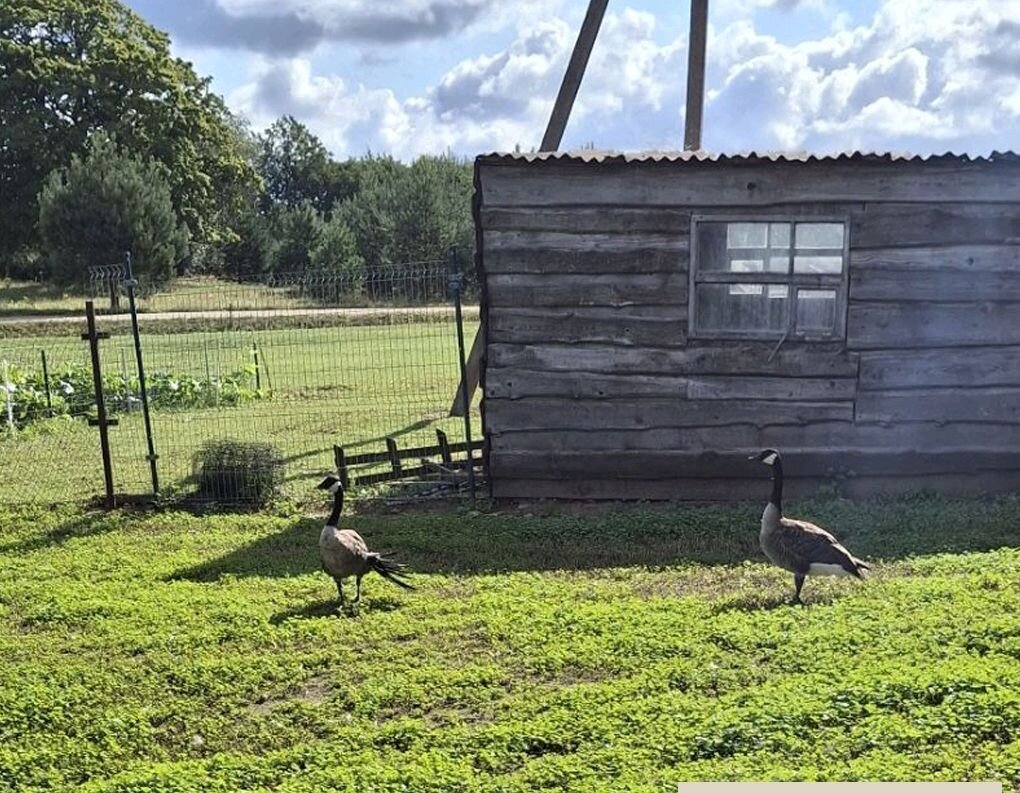
Asmeninio albumo nuotr./Aplinkosaugininkams užkliuvo sodyboje laikyti paukščiai
Klymantas housed the geese in a secure enclosure and took steps to prevent them from breeding. For five years, visitors to the homestead were able to view the exotic birds. However, an anonymous complaint prompted a visit from environmental authorities. Such interventions highlight the complexities of balancing animal welfare with regulatory oversight, a common challenge in rural communities.
