
Lynx Teases Next-Generation Mixed Reality Headset Aimed at Enterprise
France-based Lynx revealed a first look at its upcoming mixed reality headset today, signaling a shift towards professional and enterprise applications like training and remote assistance.
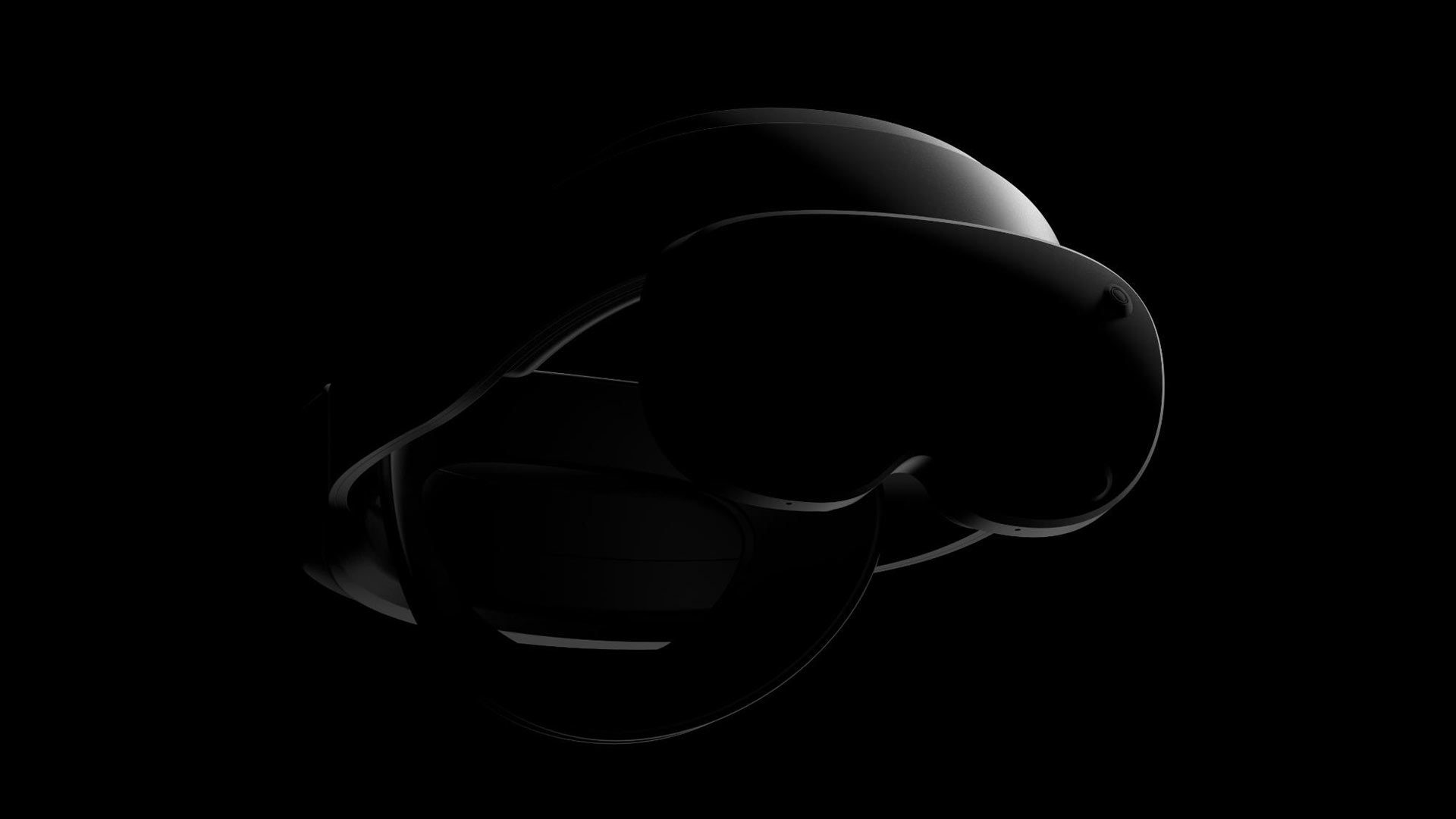
The image of the new device was initially shared by Somnium CEO Artur Sychov yesterday, prompting Lynx CEO Stan Larroque to release the full image. The headset features at least four camera sensors positioned at each corner, similar to the Meta Quest 2, and a redesigned headstrap intended for improved comfort. The company previously utilized a Kickstarter campaign in 2021, raising $800,000 to fund its initial headset, the Lynx R-1.
Lynx announced plans last year to integrate Google’s forthcoming Android XR operating system into its next headset, alongside Samsung’s Project Moohan and XREAL’s XR glasses. The new headset is expected to build upon the optical technology of the R-1, which utilized a unique prism-based system offering a 90-degree field of view and superior light throughput for mixed reality experiences – a key advantage over traditional pancake lenses. Advancements in mixed reality hardware are crucial as industries explore immersive training and remote collaboration solutions.
Details regarding specifications and the official name remain undisclosed, though Larroque indicated a full reveal is expected in mid-November. He previously stated at MicroLED Connect last month that the company’s focus is now firmly on the enterprise sector, and an upgrade to the Qualcomm Snapdragon XR2 chipset used in the R-1 is anticipated.
Lynx teased its next mixed reality headset, which is hoping to target enterprise and professional users across training and remote assistance.
The News
At MicroLED Connect last month, Lynx CEO Stan Larroque announced he aimed to reveal the company’s next mixed reality standalone sometime in mid-November.
However Somnium CEO Artur Sychov and major investor in the company beat Lynx to the punch by posting a cropped image of the France-based company’s next device.
I will just say this – Lynx next headset news is going to be wild… 💣
Sorry @stanlarroque, I can’t hold myself not to tease at least something… 😬😅
October & November 2025 will be 🔥 pic.twitter.com/XidrdTqqlp
— Artur Sychov ᯅ (@ASychov) October 10, 2025
In response, Larroque posted the full image, seen above. Here’s a version with the white balance turned up for better visibility, courtesy MRTV’s Sebastian Ang:
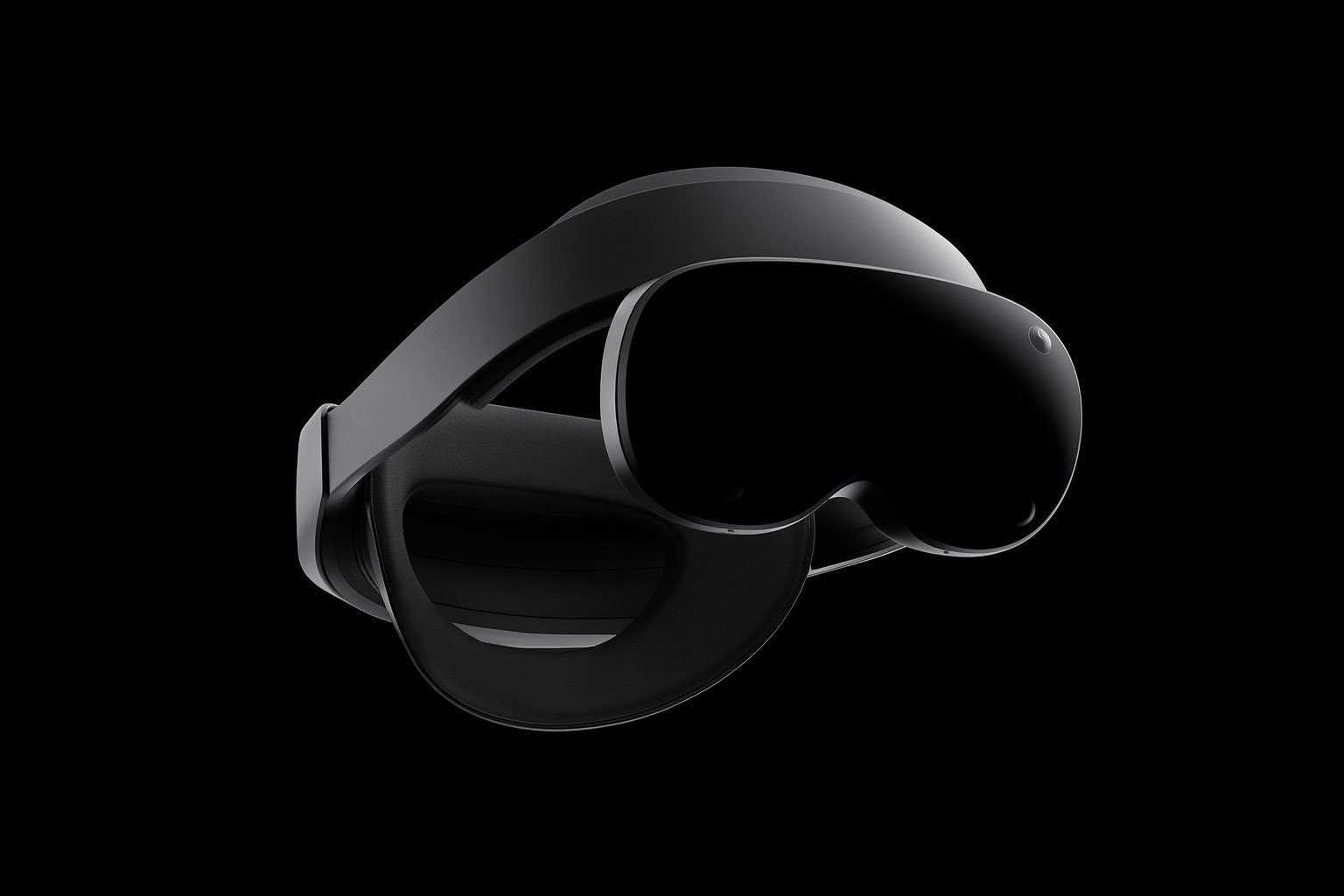
There’s still a lot to learn, including specs and the device’s official name. From the image, we can tell at least two things: the headset has a minimum of four camera sensors, now positioned on the corners of the device à la Quest 2, and an ostensibly more comfortably headstrap that cups the back of the user’s head.
What’s more, Lynx announced late last year the company intended to integrate Google’s forthcoming Android XR operating system into its next headset, which will also include Samsung Project Moohan and forthcoming XR glasses from XREAL. Lynx hasn’t released any update on progress, so we’re still waiting to hear more.
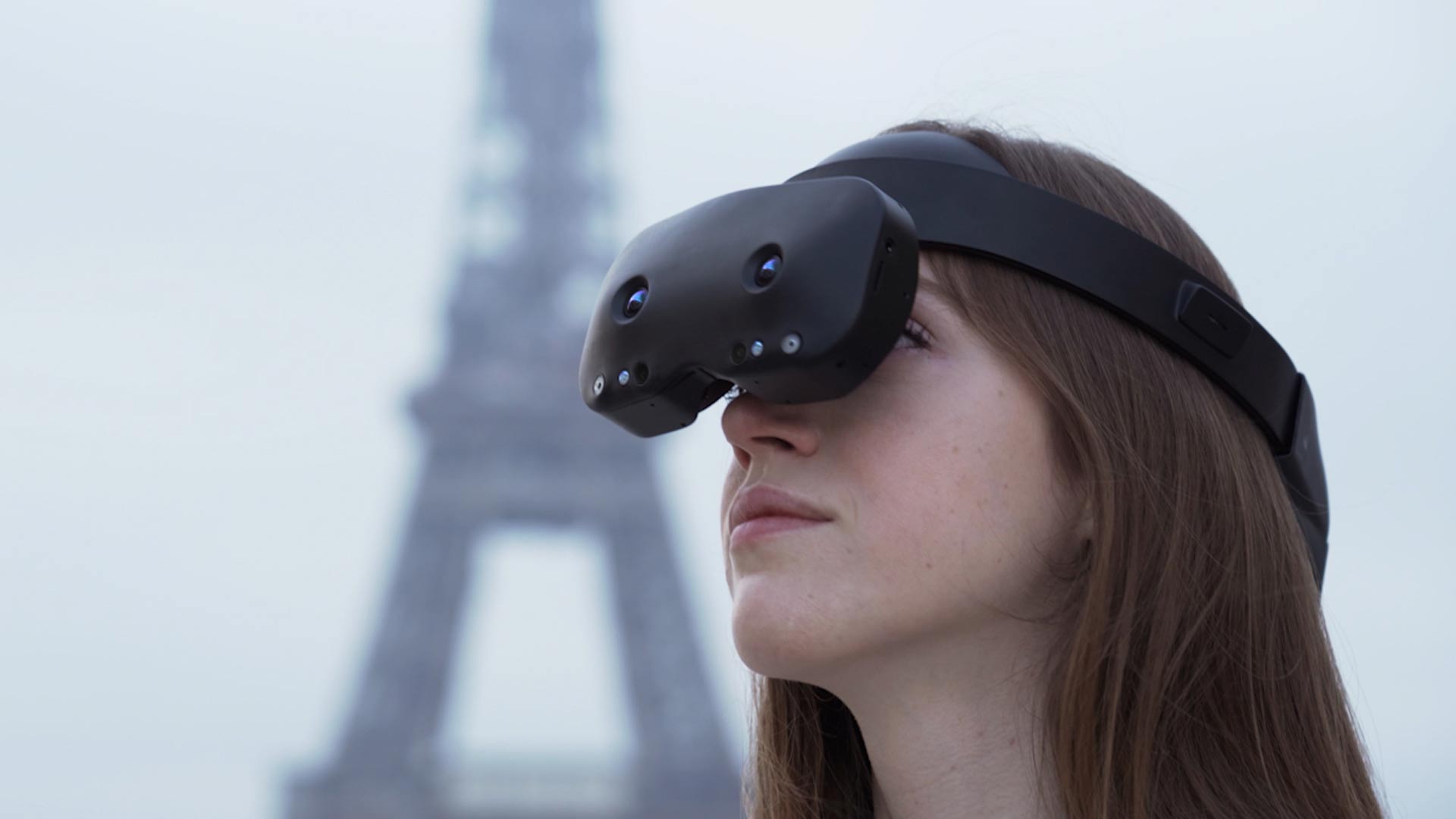
Notably, Lynx R-1 concluded shipping earlier this year, which was initially positioned to target both consumers and professional users through its 2021 Kickstarter campaign, which brought in $800,000 in crowd-sourced funding.
According to Larroque’s talk at MicroLED Connect last month, it appears the company is however focusing hard on the enterprise sector with its next hardware release, including tasks like training and remote assistance.
My Take
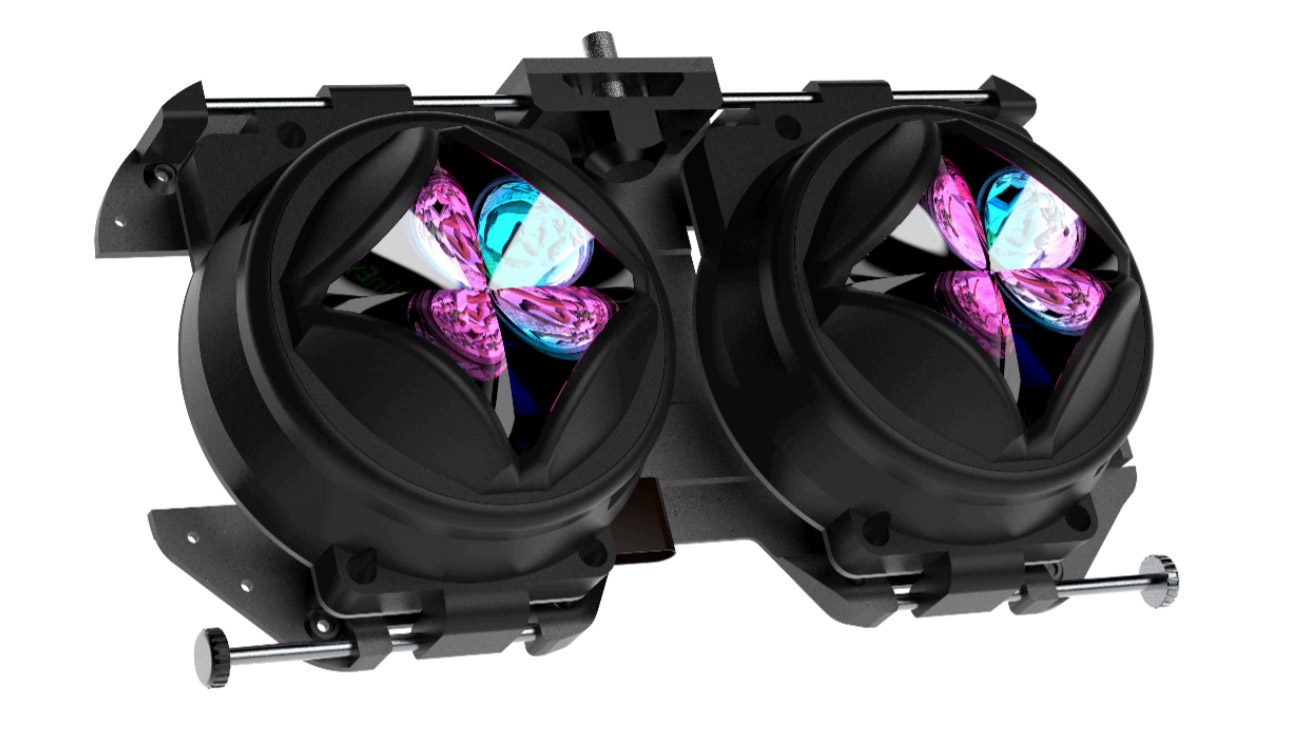
Lynx R-1’s unique “4-fold catadioptric freeform prism” optics allow for a compact focal length, putting the displays flush with the lenses and providing a 90-degree field of view (FOV). While pancake lenses are generally thinner and lighter, R-1’s optics have comparably better light throughput, which is important for mixed reality tasks.
As a startup that’s weathered an admittedly “excruciating” fundraising environment, making the right hardware choices in its follow-up will be key though.
My hunch is the prospective ‘Lynx R-2’ headset will probably keep the same optical stack to save on development and manufacturing costs, and mainly push upgrades to the processor and display, which are likely more important to the sort of enterprise customers Lynx is targeting anyway.
As it is, Lynx R-1 is powered by the Qualcomm Snapdragon XR2 chipset, which was initially released in 2019—the same used in Quest 2—so an upgrade there is well overdue. Its 1,600 × 1,600 per-eye LCDs also feel similarly dated.
While an FOV larger than 90 degrees is great, I’d argue that for enterprise hardware that isn’t targeting simulators, clarity and pixel density are probably more important. More info on Lynx’s next-gen headset is due sometime in November, so I’d expect to learn more then.
