
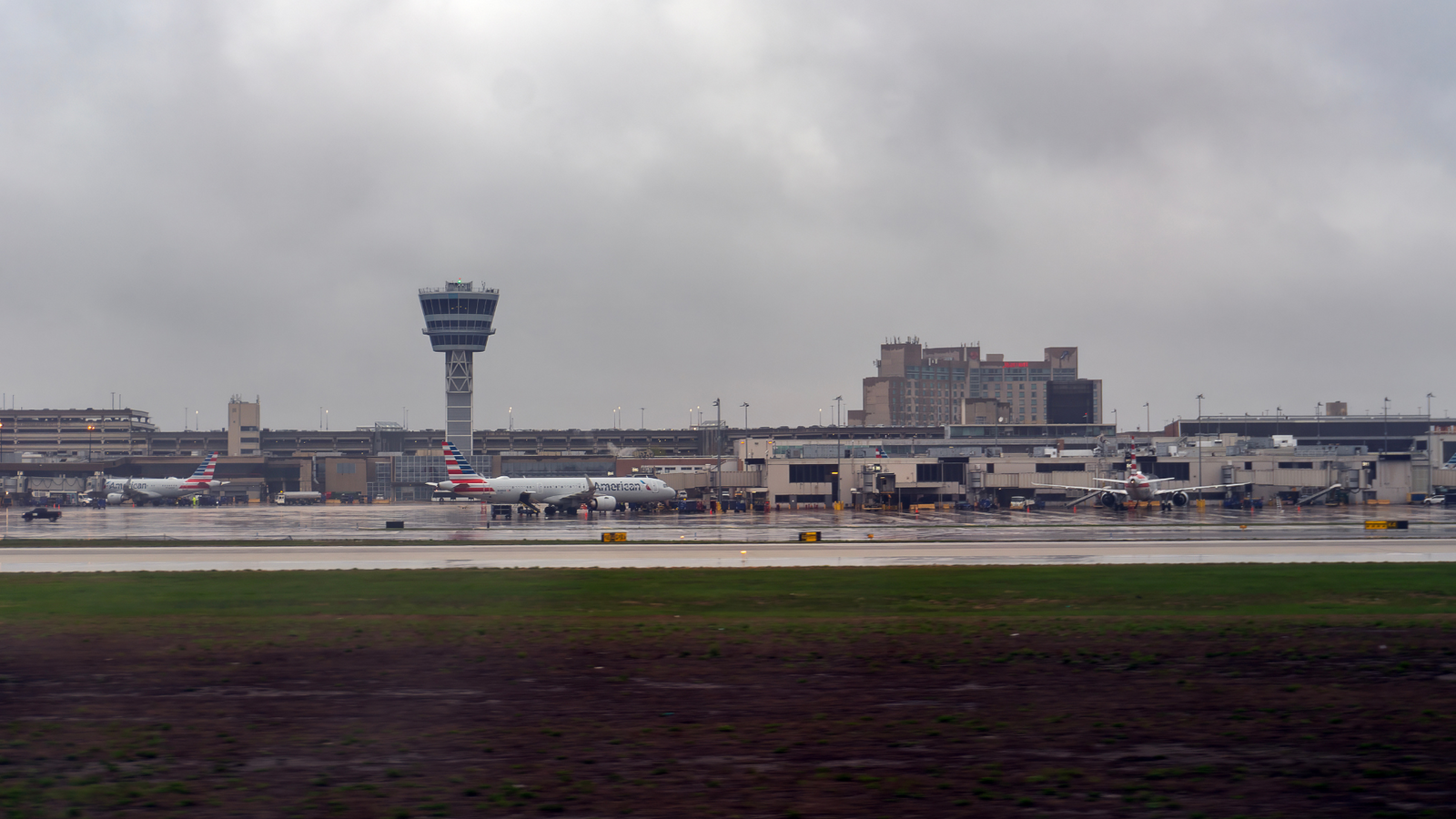
Possible Measles Exposure Reported at Philadelphia International Airport
Health officials are alerting travelers that a person with measles was at Philadelphia International Airport (PHL) yesterday, potentially exposing others to the highly contagious virus.
The Philadelphia Department of Public Health reported the individual was traveling through Terminals A and B between 8:50 a.m. and 4:00 p.m. on November 12, 2025. While officials believe the risk to the general public is low, they are urging anyone who may have been exposed to check their vaccination status. This incident highlights a growing concern as measles outbreaks are increasing globally, raising the risk of imported cases.
“We believe there is no threat to the general public associated with this case of measles,” said Health Commissioner Dr. Palak Raval-Nelson. “We encourage people who were possibly exposed to take action if they are not protected against measles.” Symptoms of measles include fever, runny nose, cough, and red, puffy eyes, followed by a rash. The Centers for Disease Control and Prevention offers detailed information about measles symptoms and prevention.
Individuals who were potentially exposed should determine their measles immunity by reviewing vaccination records or consulting a healthcare provider. Those not protected should receive a dose of the MMR vaccine. Infants under 12 months, pregnant individuals, and those with weakened immune systems should consult their doctor immediately. Officials recommend wearing a mask in indoor public spaces until three weeks after the exposure if unvaccinated. Anyone developing measles-like symptoms through November 30 should contact their doctor and the local health department at 215-685-6740, or the state health department at 877-724-3258 for Pennsylvania residents. You can find more information on the city’s dedicated measles webpage.
Health officials will continue to post updates on exposures as needed and emphasize the MMR vaccine as the most effective way to prevent serious complications from this vaccine-preventable disease.
