
Regional mediators from Qatar and Pakistan have dispatched teams to Iran as of May 22, 2026, in a high-stakes effort to preserve a fragile cease-fire between the United States and Iran. The diplomatic intervention comes amid an escalating risk that hostilities could resume, threatening to unravel recent de-escalation efforts in the Middle East.
Diplomatic Pressure to Prevent Renewed Conflict
The situation remains precarious as international observers monitor the regional mediators rushing to save the U.S.-Iran cease-fire. With the looming threat of resumed war, the involvement of Qatar and Pakistan underscores the gravity of the current impasse. These nations have acted as critical interlocutors, attempting to bridge the gap between Washington and Tehran as the existing agreements face significant strain.
The urgency of the dispatch suggests that back-channel communications have reached a critical juncture. While details of the specific disputes remain fluid, the presence of foreign delegations in Tehran indicates that traditional diplomatic channels are being utilized to prevent a return to active combat. The stability of the current cease-fire is widely viewed as a linchpin for broader regional security, making the success of these mediation efforts a priority for global stakeholders.
According to reports from the delegations, the primary objective is to secure a reaffirmation of the de-escalation protocols established in previous months. The teams are focused on addressing specific violations reported by both parties, which have included unauthorized military movements and breaches of established communication protocols. By re-establishing these technical boundaries, the mediators hope to stabilize the immediate environment and provide space for higher-level negotiations to resume.
Understanding the Role of Regional Intermediaries
In the broader context of international relations, the term regional serves as a descriptor for actions and organizations that operate within specific geographical or political boundaries. According to definitions provided by Merriam-Webster, such entities often serve to bridge gaps between localized needs and broader organizational goals. In this conflict, the regional approach allows mediators to leverage proximity and established ties to both the United States and Iran, often navigating complexities that larger international bodies cannot easily address.
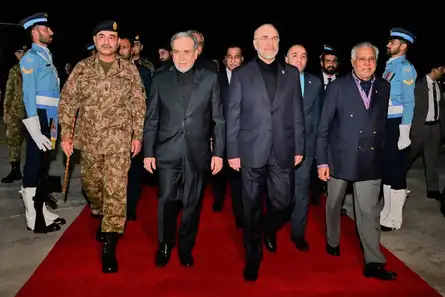
The reliance on these specific intermediaries is not merely a matter of geography but of diplomatic utility. Both Qatar and Pakistan have historically maintained complex relationships with the primary actors involved in the current standoff. By positioning themselves as neutral arbiters, these nations aim to facilitate a dialogue that minimizes the risk of miscalculation, which could lead to an immediate resumption of hostilities.
Diplomatic analysts noted that Qatar’s role is frequently defined by its ability to maintain open lines of communication with both Western powers and Tehran, a position that has made it a central venue for previous negotiations. Simultaneously, Pakistan’s involvement is viewed as a stabilizing force, given its long-standing security ties and its capacity to exert influence through established regional security frameworks. The coordination between these two nations marks a departure from solitary mediation efforts, signaling a collective regional push to prevent the escalation of the conflict.
Operational Challenges and Future Outlook
As the mediation teams continue their work, the immediate future of the U.S.-Iran relationship hinges on the ability of these envoys to secure concrete commitments from both sides. The volatility of the situation means that any breakdown in communication could lead to rapid changes on the ground. Observers are particularly focused on whether the current diplomatic push can address the underlying tensions that led to the near-collapse of the truce.
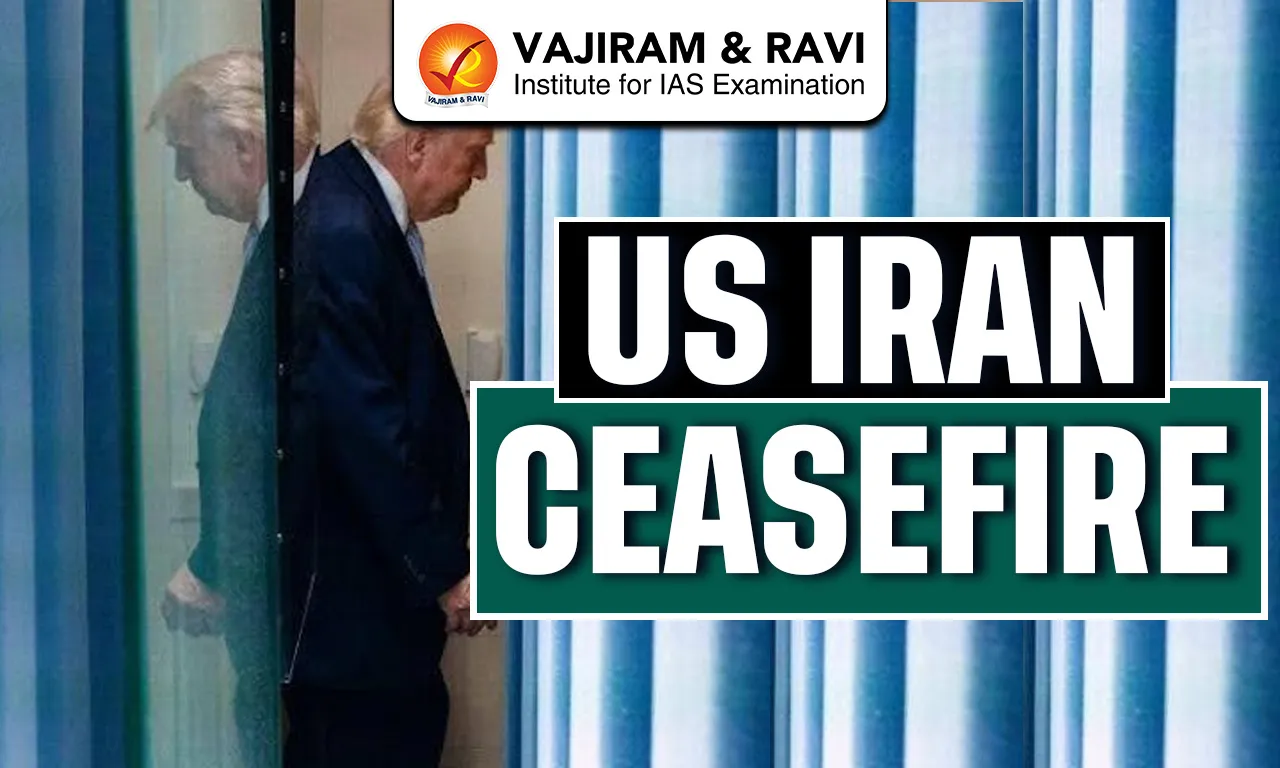
The operational challenges are significant. Mediators are currently tasked with verifying claims of military activity that have been contested by both the U.S. and Iranian governments. Each side has accused the other of failing to adhere to the spatial limitations of the cease-fire agreement, leading to a cycle of accusations that have paralyzed diplomatic progress. The mediators are currently attempting to implement a verification mechanism that would allow for real-time monitoring of troop movements to prevent future disputes.
For the residents of the region, the stakes are profound. Humanitarian and social organizations, such as the Regional Food Bank of Oklahoma, often serve as a reminder of how regional stability affects the day-to-day operations of essential services. While the food bank’s focus remains on providing summer meals for children in the United States, the ripple effects of international conflict—such as economic instability or supply chain disruptions—often underscore the interconnected nature of the global landscape. As of May 23, 2026, the focus remains squarely on the diplomatic teams in Tehran and their capacity to turn back the clock on a potential war.
The diplomatic push is also being watched closely by international security bodies, which have expressed concern over the potential for a regional spillover should the cease-fire fully disintegrate. While the mediators have not released a formal timeline for their mission, the intensity of the discussions suggests a high-pressure environment where every hour is considered critical to maintaining the status quo. Global stakeholders are currently waiting for a joint statement from the Qatari and Pakistani delegations, which is expected to clarify whether a path toward a sustainable, long-term truce has been identified or if the current measures will remain strictly temporary.
