
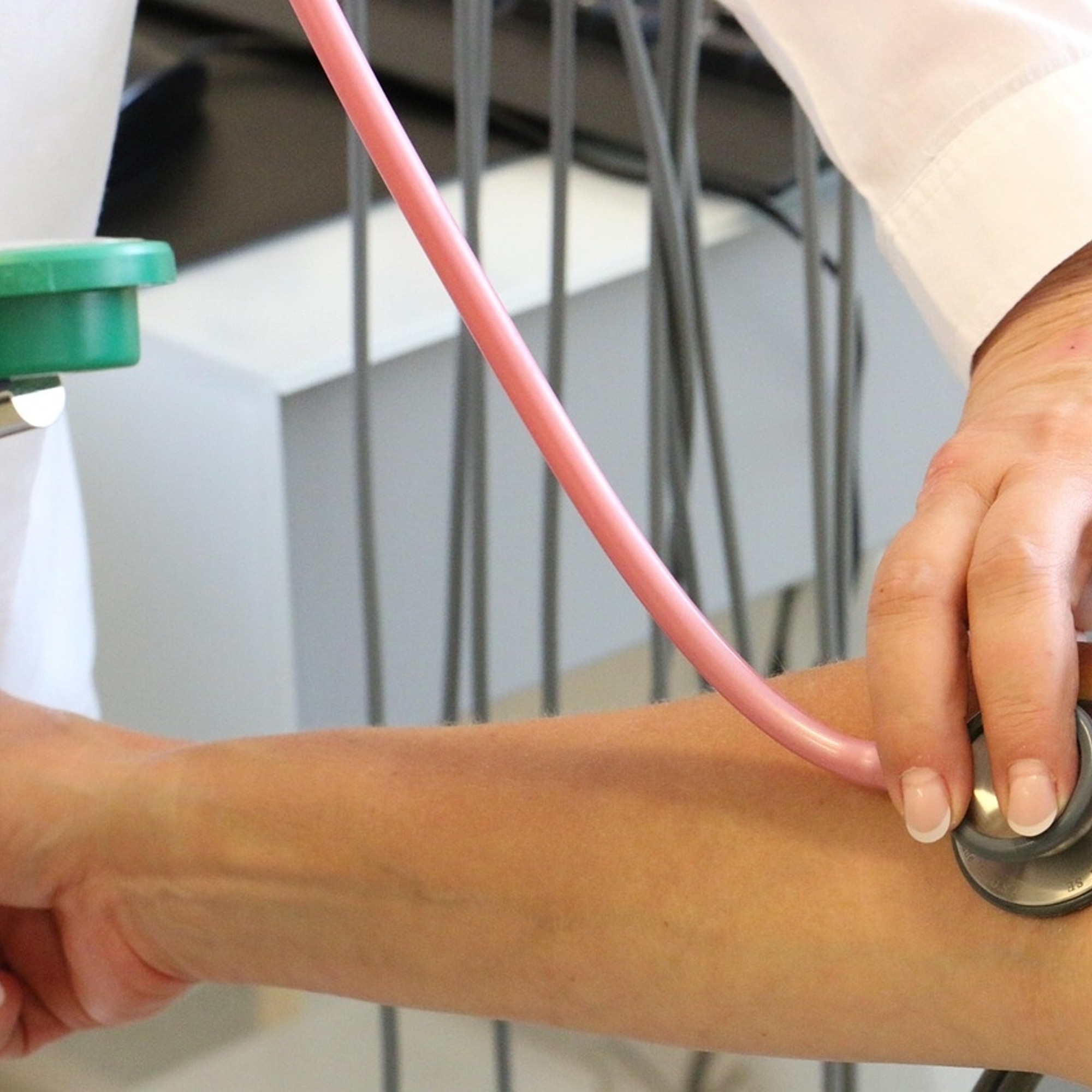
Once considered a condition primarily affecting adults, high blood pressure-or hypertension-is now increasingly diagnosed in children, with rates doubling in the last two decades. Health officials in france are voicing particular concern as one in three adults already live with hypertension, and this trend is beginning to mirror in younger populations[[1]]. Frequently enough undetected due to a lack of awareness, experts are emphasizing the importance of regular health checkups for adolescents, including monitoring of blood pressure, weight and height to mitigate potential long-term health risks[[3]].
High blood pressure, the most common chronic condition, is increasingly affecting children, a trend that has doubled in the last two decades. While traditionally considered an adult ailment, one in three adults in France now lives with hypertension, and the rise in pediatric cases is raising concerns among health officials.
The condition is often underdiagnosed in children, as many people don’t associate high blood pressure with younger individuals. Experts recommend annual check-ups for adolescents, including monitoring weight, height, and blood pressure. Untreated hypertension can damage arteries throughout the body, leading to serious health problems.
Over time, damage to the arteries can impact vital organs like the liver, brain, kidneys, heart, and even the eyes. Children with high blood pressure are at increased risk of developing the condition—and related illnesses—as they grow older. This trend highlights the importance of early detection and preventative measures.
Factors Contributing to Rising Blood Pressure
Three key factors are driving the increase in hypertension rates among both children and adults: obesity, a poor diet high in processed foods, and insufficient sleep. In France, approximately eight million adults are classified as obese, a major risk factor for developing high blood pressure.
Diets rich in ultra-processed foods—those high in calories, fat, sugar, additives, emulsifiers, and preservatives—significantly elevate the risk of hypertension and cardiovascular disease. The cumulative effect of these dietary choices can have a lasting impact on health.
Sleep deprivation is also a growing concern. Over the past 30 years, people have lost an average of 90 minutes of sleep per day, often sacrificing rest for non-essential activities. This chronic lack of sleep contributes to an increased risk of developing high blood pressure.
Sleep Apnea in Children
Undiagnosed or poorly managed sleep apnea can also contribute to high blood pressure, even in adults whose hypertension is being treated. Sleep apnea is also increasingly seen in children.
Adolescents who are overweight and have high blood pressure are particularly likely to also suffer from sleep apnea. There is a clear connection between sleep quality and blood pressure regulation. To combat this growing epidemic of hypertension in children, health professionals are urging increased physical activity, improved dietary habits, and prioritizing sufficient sleep. Stress and anxiety can also exacerbate these issues.
