
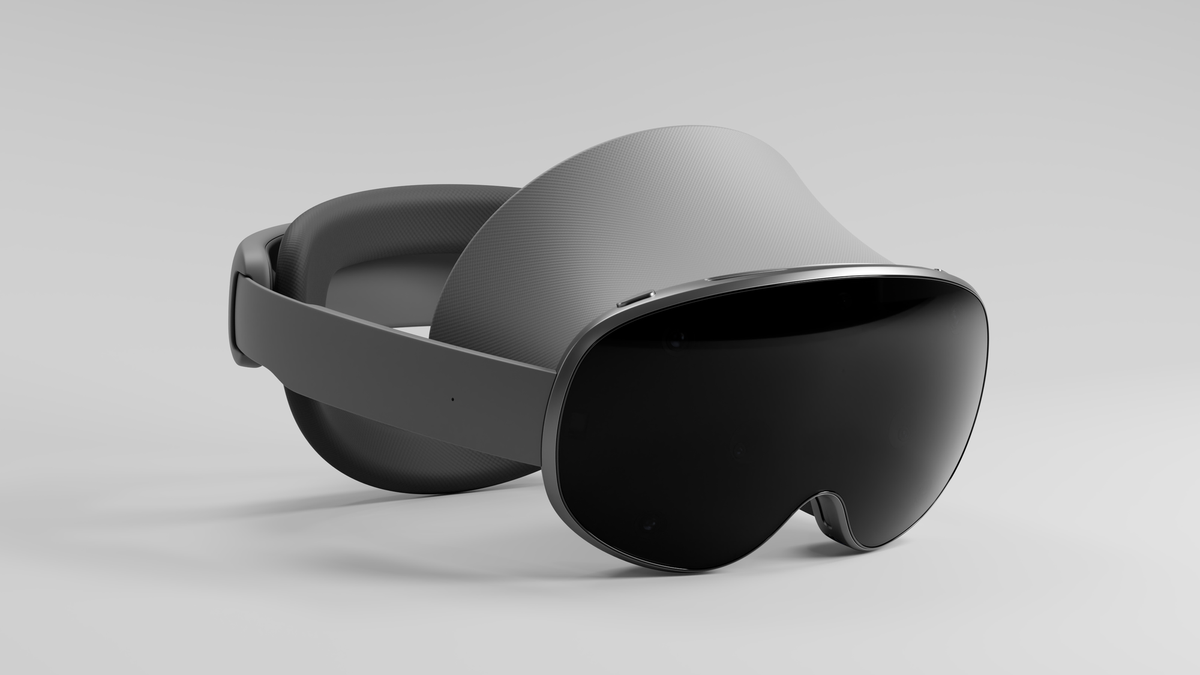
Are you ready to step into the future of immersive technology? This article unveils the latest trends shaping the XR headset landscape, from the rise of Android XR to groundbreaking advancements in display and processing power. Discover how these innovations are poised to transform gaming, productivity, healthcare, and beyond, making extended reality (XR) an integral part of our daily lives.
The Future Unveiled: Trends Shaping the XR headset Landscape
The augmented reality (AR) and virtual reality (VR) headset market is on the cusp of a major transformation. With tech giants like Samsung entering the arena, the future of extended reality (XR) is poised for rapid evolution. This article delves into the key trends,technologies,and potential impacts of this exciting space.
The Rise of Android XR: A New Ecosystem
Google’s Android XR operating system is set to become a pivotal player. Its integration into headsets like Samsung’s signals a shift towards a more unified and accessible XR experience. This move mirrors the success of Android in the mobile space, promising a vast ecosystem of apps and content. The open nature of Android XR could foster innovation and competition,leading to more affordable and versatile devices.
Pro Tip: Keep an eye on the Android XR developer community. Early adopters and developers will shape the future of applications and experiences.
Hardware Advancements: displays and Processing Power
High-resolution displays and powerful processors are crucial for immersive XR experiences.Samsung’s use of Sony’s micro-OLED displays, with their superior resolution and color accuracy, exemplifies this trend. The Snapdragon XR2+ Gen 2 chipset, powering these devices, ensures smooth performance and supports complex graphics. As technology progresses, we can expect even more compact, powerful, and energy-efficient components.
Did you know? The resolution of displays in XR headsets is rapidly increasing, aiming to match or exceed human visual acuity for a truly seamless experience.
Content and Applications: Beyond Gaming
While gaming is a significant driver,the future of XR extends far beyond entertainment. Expect to see a surge in applications for:
- productivity: Enhanced remote collaboration, virtual workspaces, and immersive training simulations.
- Healthcare: Surgical training, patient rehabilitation, and remote consultations.
- Retail: Virtual try-on experiences, interactive product demonstrations, and immersive shopping environments.
Case Study: Companies are already using VR for employee training, reducing costs and improving knowledge retention. Such as, Walmart uses VR to train employees on various tasks, from operating machinery to customer service.
Pricing and Accessibility: Making XR Mainstream
The high price of current XR headsets is a barrier to mass adoption.However, as competition increases and production costs decrease, we can anticipate more affordable options. This will be crucial for expanding the user base and driving innovation. The availability of tethered solutions, like Xreal’s Project Aura, also offers a pathway to more accessible XR experiences.
Reader Question: How will the price of XR headsets impact their adoption rate in the coming years?
The Metaverse and Beyond: The Convergence of Realities
XR headsets are key to unlocking the potential of the metaverse. as virtual and physical worlds merge, these devices will become essential tools for interacting with digital environments. This convergence will transform how we work, socialize, and consume information.The development of interoperable platforms and standards will be critical for a seamless metaverse experience.
Did you know? The metaverse is not just about VR; it encompasses a spectrum of technologies, including AR and mixed reality, to create persistent, shared digital worlds.
Challenges and Considerations
Despite the exciting potential,challenges remain. These include:
- User Experience: Addressing issues like motion sickness and improving comfort.
- Content Creation: Encouraging developers to create compelling and diverse XR experiences.
- privacy and Security: protecting user data and ensuring responsible use of XR technologies.
Overcoming these hurdles will be essential for the long-term success of the XR industry.
Pro Tip: Stay informed about the latest developments in XR by following industry news, attending conferences, and experimenting with available technologies.
The future of XR is bright,with innovations in hardware,software,and content promising to reshape how we interact with the world. As the technology matures and becomes more accessible, expect to see XR become an integral part of our daily lives.
What are your thoughts on the future of XR? Share your comments and predictions below!
