
‘Universal’ Kidney Transplant Breakthrough Offers Hope for Thousands on Waiting Lists
Researchers in Canada and China have successfully transplanted a kidney modified to be compatible with all blood types into a brain-dead recipient, marking a significant step toward eliminating wait times and saving lives for those needing organ transplants.
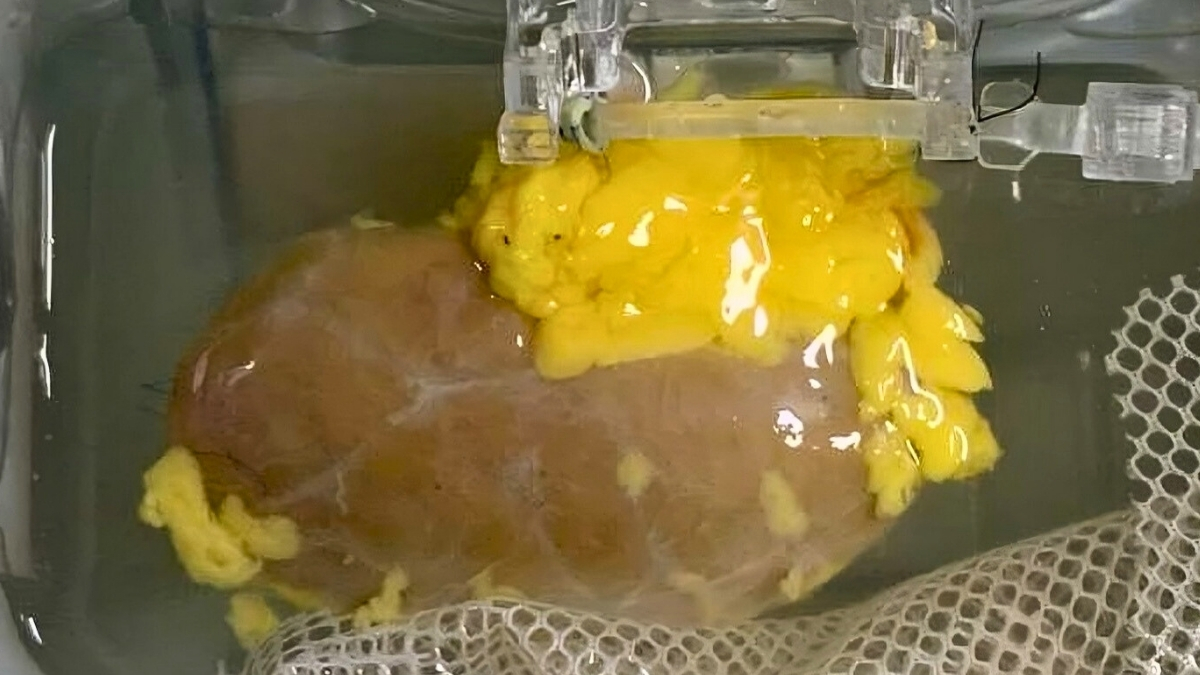
The team effectively converted a type A kidney into a type O kidney by using enzymes to remove the sugar molecules that identify blood type, a process likened to “removing the red paint from a car and uncovering the neutral primer” by biochemist Stephen Withers of the University of British Columbia. The modified kidney, termed an enzyme-converted type-O (ECO) kidney, functioned for several days in the recipient, with family consent secured for the research. “This is the first time we’ve seen this play out in a human model,” Withers stated.
Currently, patients with type O blood, who comprise over half of those on kidney transplant waitlists, face the longest delays as they can only receive kidneys from other type O donors. While transplants between different blood types are sometimes possible through lengthy and risky recipient preparation, this new method offers a potentially simpler and more accessible solution. The United Network for Organ Sharing (UNOS) reports that 11 people die each day in the US waiting for a kidney transplant, highlighting the urgent need for increased donor availability. Researchers are also exploring other avenues, such as utilizing pig kidneys, to address the organ shortage.
Although the transplanted kidney began to revert to type A markers by the third day, triggering an immune response, that response was milder than anticipated, and the body showed signs of tolerance. Further research is needed before human trials can begin. This breakthrough builds on decades of research into blood type antigens and their role in organ rejection, potentially revolutionizing the field of transplantation.
Researchers will continue to monitor the long-term effects and refine the enzyme conversion process to improve outcomes before moving toward clinical trials.
