
Historical Context of Coral Bleaching Monitoring
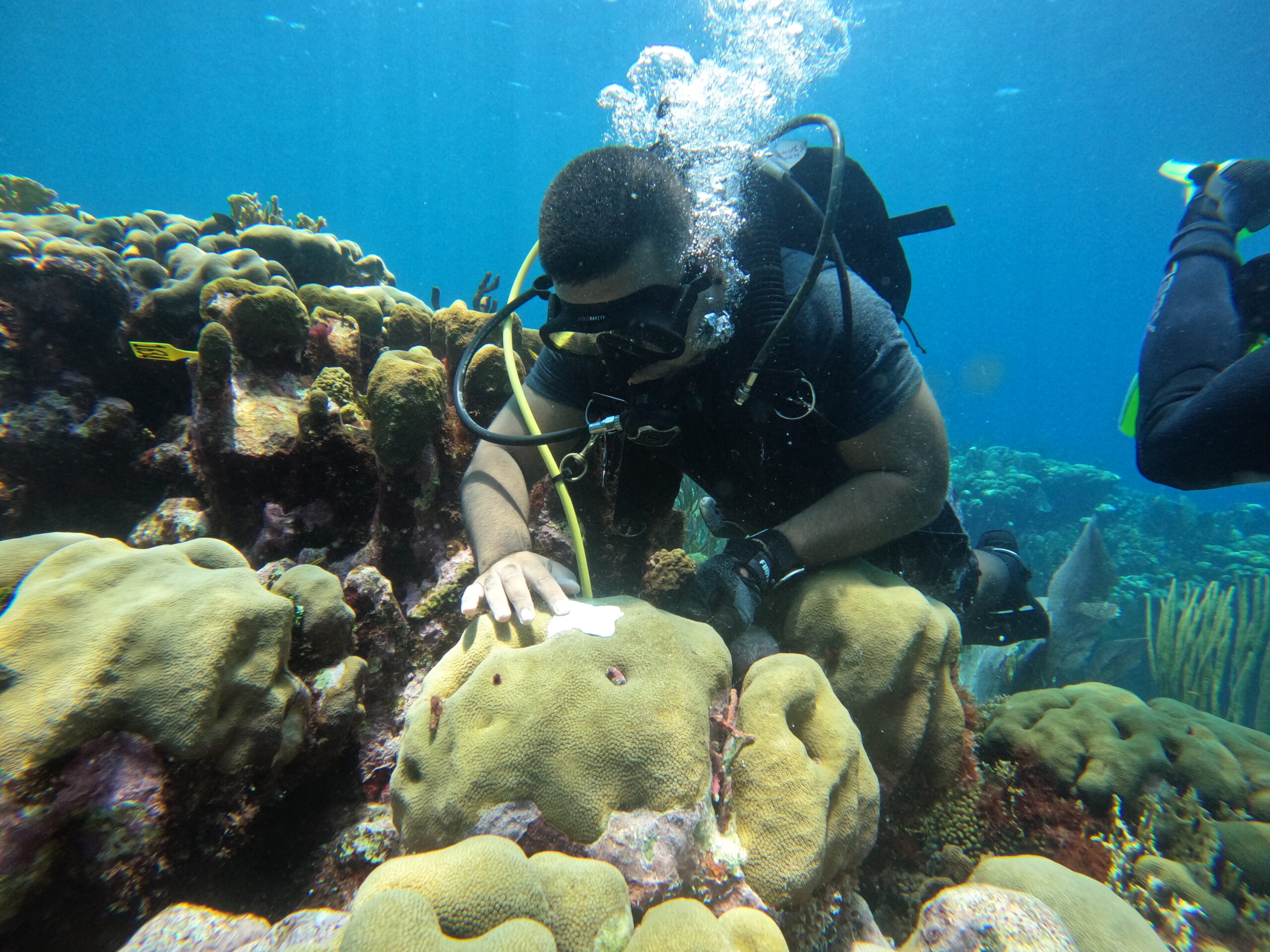
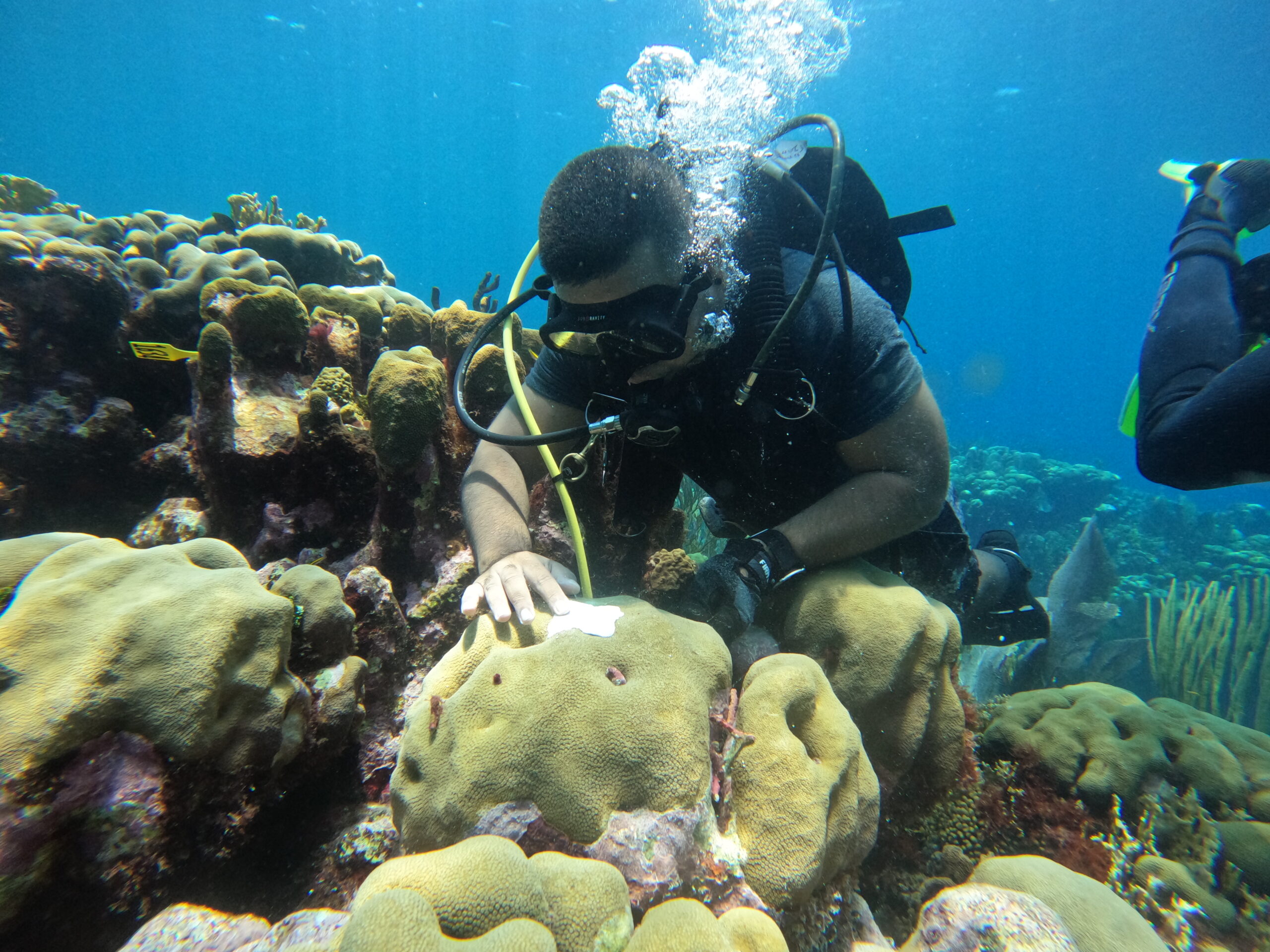
The study by researchers at the Woods Hole Oceanographic Institution (WHOI) analyzed 72 years of coral growth patterns from Curaçao, revealing that mass bleaching events began in the 1990s as ocean temperatures rose. By examining high-density stress bands in coral skeletons via CT scans, the team identified recurring bleaching cycles linked to climate modes like El Niño and La Niña. “Existing global observing systems help provide critical data to climate prediction centres to monitor and skilfully predict these climate modes months in advance,” said co-author Caroline Ummenhofer, as reported by *Oceanographic Magazine*. The research, published in *Nature Communications* on July 12, 2024, involved collaboration with the University of Miami’s Rosenstiel School of Marine and Atmospheric Science. The team used a 3D X-ray microtomography system to analyze coral core samples, achieving a resolution of 1.5 micrometers, allowing them to detect microscopic stress indicators. This method builds on decades of work by WHOI’s Coral Ecology Lab, which has been studying coral resilience since the 1980s.
The Role of Climate Models in Prediction

The breakthrough hinges on integrating long-term climate data with coral biology. The BEEP (Bleaching Evaluation and Early Prediction) tool, developed by WHOI scientists, uses satellite observations and historical temperature records to forecast bleaching risk. “Our work shows how basic science can be rapidly translated into solutions for real-world challenges,” said Anne Cohen, a WHOI senior scientist. “They’re built on decades of investment in fundamental research and continuous Earth-system monitoring, including satellites.” BEEP v2.1, released in March 2024, incorporates data from NOAA’s Geostationary Operational Environmental Satellites (GOES) and NASA’s Aqua and Terra satellites. The tool’s algorithm, trained on 40 years of global coral bleaching data, achieves a 78% accuracy rate in predicting bleaching events up to six months in advance, according to a 2024 peer-reviewed study in *Global Change Biology*. This approach aligns with NOAA’s Degree Heating Weeks (DHW) metric, which measures heat stress in coral ecosystems. However, BEEP’s developers note that it outperforms DHW in regions with complex oceanographic conditions, such as the Caribbean, where local currents and upwelling patterns complicate temperature trends.
Implications for Reef Conservation
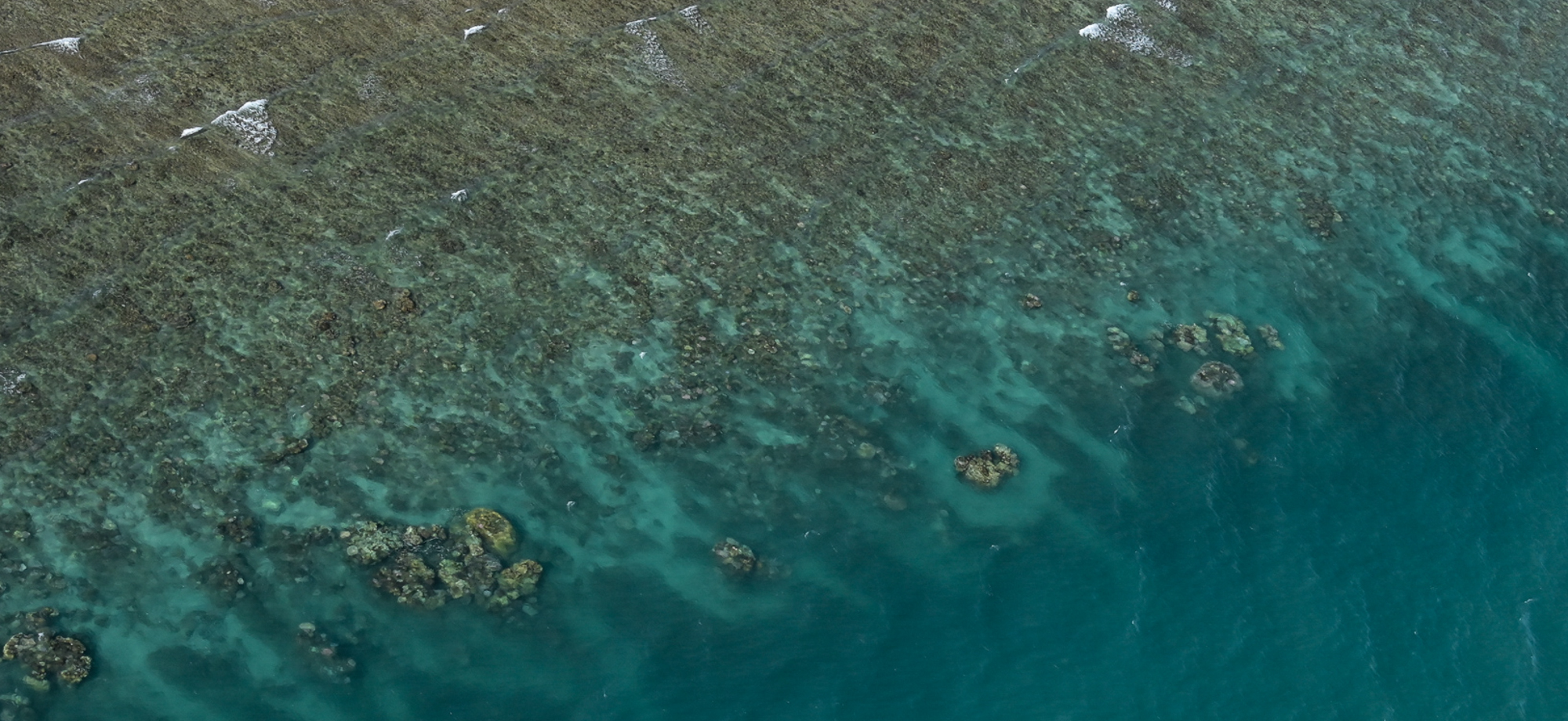
Coral reefs, which support 25% of marine life, face unprecedented threats from climate change. The 2025 global bleaching event, the fourth since 2023, has already impacted 83 countries, including Australia’s Great Barrier Reef, where mass bleaching occurred for the sixth time since 2016. “Coral reefs are among the most vulnerable ecosystems on the planet,” Cohen emphasized. “Advances like this give us a better chance to protect them in a warming ocean.” The tool’s focus on Curaçao could expand to other Caribbean and tropical regions, enabling targeted conservation efforts. In 2024, the Global Coral Reef Monitoring Network (GCRMN) reported that 50% of the world’s reefs are now at high risk of bleaching, up from 30% in 2015. The BEEP system is being piloted in the Florida Keys and the Great Barrier Reef, with preliminary results showing a 20% improvement in early warning accuracy compared to existing models. The Australian Institute of Marine Science (AIMS) has integrated BEEP into its reef health assessments, following a 2024 agreement with WHOI.
Challenges and Future Outlook
While BEEP represents a leap forward, challenges remain. Coral bleaching is exacerbated by local stressors like pollution and overfishing, which the tool does not directly address. AIMS (Australian Institute of Marine Science) has documented 2024’s bleaching event as the second consecutive in the Great Barrier Reef, highlighting the need for global carbon reduction. “If we continue burning fossil fuels at our current rate, severe bleaching events are likely to hit reefs annually by the middle of the century,” warned *Marine Conservation Australia*. The tool’s effectiveness is also limited by data gaps in regions with insufficient satellite coverage, such as parts of Southeast Asia. In response, WHOI has partnered with the Indonesian Institute of Sciences (LIPI) to expand data collection in the Coral Triangle, a biodiversity hotspot. Independent reviewers, including Dr. Mark Eakin of the University of South Florida, have praised B
