

Sindh’s Chief Minister Syed Murad Ali Shah has declared war on flour price hikes, ordering authorities to crack down on hoarding and speculative trading as wheat prices spiral and consumers face the brunt of rising costs. In a high-stakes meeting in Karachi on Friday, June 5, 2026, Shah vowed to protect both farmers and consumers while warning that “no one would be allowed to manipulate the supply of a staple food item at the expense of citizens.” The move comes as Karachi residents now pay the highest flour prices in Pakistan—up to Rs2,800 for a 20-kilogram bag—while procurement of the 2025-26 wheat crop lags dangerously behind targets.
Why Sindh’s Flour Crisis Is a National Warning Sign
The surge in flour prices isn’t just a Sindh problem—it’s a symptom of a broader inflation crisis gripping Pakistan. While Karachi leads the country with the highest flour costs (Rs2,800 per bag), cities like Peshawar (Rs2,750), Islamabad (Rs2,733), and Rawalpindi (Rs2,707) aren’t far behind. The disparity between cities underscores how supply chain bottlenecks and speculative trading are exacerbating the cost-of-living crisis for millions. For Sindh’s 50 million residents, the stakes couldn’t be higher: wheat is the backbone of the province’s diet, and any disruption to its supply chain triggers immediate panic.
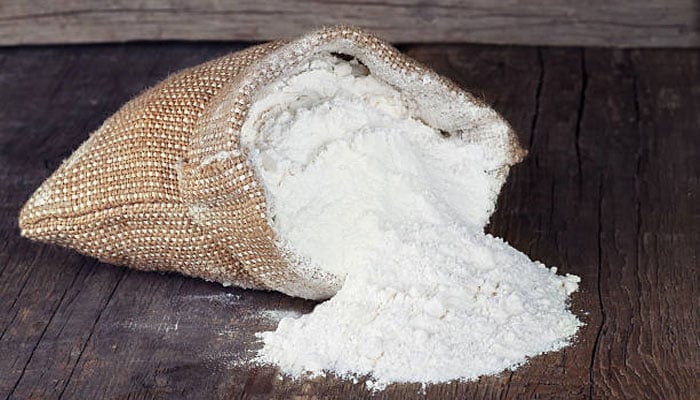

But the crisis runs deeper than retail prices. Officials revealed in the meeting that despite a procurement target of one million metric tonnes for the 2025-26 crop, Sindh’s Food Department had secured only 79,835 metric tonnes by June 4—less than 8% of the goal. The gap stems from a stubborn reality: open-market wheat prices remain well above the government’s support price, discouraging farmers from selling at the lower rate. Meanwhile, reports of hoarding and artificial scarcity have sent prices spiraling, with millers and traders accused of stockpiling to drive up costs.
“The government’s first responsibility is to safeguard the interests of the people of Sindh. We will not allow hoarders or speculators to play with the basic food needs of our citizens.”
How Sindh’s Government Is Fighting Back
Shah’s response is two-pronged: regulation and coordination. The Chief Minister has directed provincial authorities to impose stricter market controls, targeting hoarders and speculators who exploit shortages for profit. The Food Department and other agencies have been ordered to submit regular progress reports on enforcement actions, ensuring transparency in the crackdown. But the challenge isn’t just about clamping down on bad actors—it’s about fixing a broken procurement system.
One immediate fix? Closing the gap between the government’s support price and market rates. Currently, farmers have little incentive to sell at the lower rate, leaving the Food Department scrambling to meet targets. Shah’s team is pushing for closer collaboration with growers, millers, and traders to stabilize supplies. The federal government’s role is critical here—Sindh’s efforts will only succeed if Islamabad aligns its policies with provincial goals. Without federal buy-in, local measures risk becoming a patchwork of ineffective half-solutions.
The Human Cost: Who’s Paying the Price?
For ordinary Sindhis, the impact is immediate and brutal. A family’s monthly flour budget—once a predictable expense—has now become a gamble. In Karachi, where prices hit Rs2,800 per bag, a household using 10 kilograms weekly would spend Rs11,200 per month on flour alone. For the average Pakistani, where monthly incomes hover around Rs50,000–Rs70,000, that’s 20–25% of disposable income on a single staple. The ripple effect? Reduced spending on education, healthcare, and other essentials.
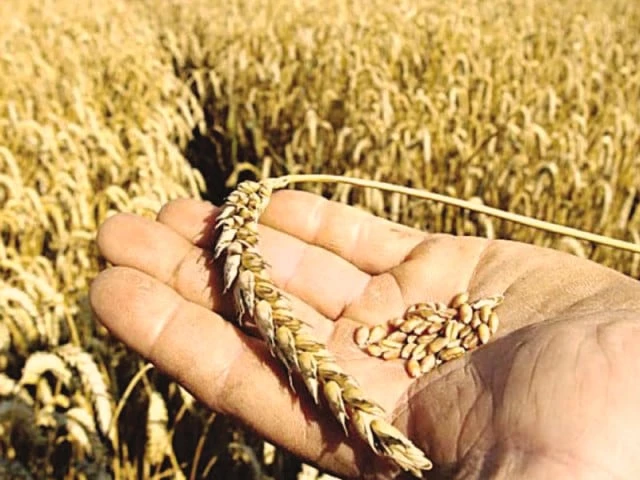
Yet the crisis isn’t just about affordability—it’s about trust. When consumers see prices fluctuate wildly without explanation, they lose faith in the system. Shah’s warning to hoarders and speculators is a direct response to this erosion of trust. But words alone won’t suffice. The government must deliver tangible results: consistent supply, fair pricing, and swift action against price-gougers. Without these, the public’s frustration will only grow.
What Comes Next: Three Critical Moves
The next 30 days will be decisive.
- Procurement Push: Can Sindh’s Food Department secure the remaining 920,000 metric tonnes of wheat needed to meet the 2025-26 target? Success hinges on whether the government can bridge the price gap between support rates and market prices.
- Enforcement Action: Will the crackdown on hoarders and speculators yield visible results? Shah’s orders are clear, but implementation will determine whether prices stabilize or keep climbing.
- Federal-Provincial Coordination: Without Islamabad’s support, Sindh’s efforts may hit roadblocks. A unified approach—including national procurement strategies and price controls—is essential to prevent regional disparities from worsening.
One thing is certain: this isn’t just a Sindh problem. If left unchecked, the flour crisis could spread to other provinces, turning a local issue into a national emergency. For now, Shah has set the tone—protecting citizens from artificial price hikes is non-negotiable. But the real test begins now: can the government turn promises into action?
Radio Pakistan first reported the Chief Minister’s directives, while The Express Tribune provided detailed procurement figures and Shah’s direct warnings to speculators. Flour price data comes from the Pakistan Bureau of Statistics, though the latest figures were cited in Minute Mirror’s report on national disparities.
