

The Hundreds, the iconic Los Angeles streetwear brand and Fairfax Avenue institution, has permanently closed its flagship store after nearly two decades as the last remaining original on the historic block. Co-founders Bobby Kim and Ben Shenassafar—who use “Hundreds” as their last names—announced the closure on May 25, 2026, marking the end of an era for a store that opened in 2007 and became a cultural hub for skateboarding, music, and underground fashion.
The Last Store Standing on Fairfax
Fairfax Avenue in the late 2000s was the epicenter of streetwear culture, with brands like Supreme, Diamond Supply Co., and Huf opening flagship stores that drew crowds from across Los Angeles and beyond. But by the 2020s, the neighborhood had shifted—foot traffic waned, rents soared, and one by one, the original stores began closing or relocating. The Hundreds, however, remained. Their Fairfax location, at the corner of Fairfax and Rosewood, was one of the first to open and the last to leave.
According to LA Magazine, the brand’s co-founders framed the closure as both a farewell and a new beginning. In an Instagram post, Bobby Hundreds wrote: “The truth is we’ve been debating the shop’s future for years, but we kept faith that Fairfax would return. As one of the first ones in and the last ones out, we kept our promise to the block.” The message resonated deeply with the community, sparking over 1,500 comments from artists, skaters, and longtime customers.
The Hundreds’ decision reflects a broader trend in Los Angeles retail: the decline of brick-and-mortar streetwear stores in favor of direct-to-consumer models. While the brand will continue operating online and through global retail partners, the closure of the Fairfax store eliminates a physical touchpoint that defined its identity. For many, the store wasn’t just a shop—it was a gathering place. Artist Tyler the Creator (@feliciathegoat) posted, “feet must be hurting from running so long! what an era, what an area, what a feat!”
Why This Closure Matters Beyond Streetwear
The Hundreds’ Fairfax store was more than a retail location—it was a cultural landmark. In its prime, the space hosted skate sessions, underground music events, and pop-up art exhibitions, cementing its role in LA’s creative scene. The store’s longevity made it a symbol of resistance against the gentrification that reshaped Fairfax over the past decade. While other brands moved to more affordable areas or pivoted to digital, The Hundreds stayed, even as the neighborhood evolved.
Yet the closure also underscores the financial realities of physical retail in an era dominated by e-commerce. Streetwear brands, once built on hype and exclusivity, now face pressure to balance limited-edition drops with sustainable business models. The Hundreds’ shift—closing one flagship while expanding through partnerships and Ben Hundreds’ new venture, The Benjamin Hollywood on Melrose—mirrors this tension.
- 2007: The Hundreds opened its first storefront at 7909 Rosewood Ave.
- 2018: Relocated to the iconic Fairfax and Rosewood corner.
- 2026: Permanent closure announced, with operations continuing online.
- Over 1,500: Comments on the brand’s Instagram post announcing the closure.
What Comes Next for The Hundreds?
The Hundreds isn’t disappearing—it’s evolving. While the Fairfax store is closed, the brand’s future lies in its digital presence, wholesale partnerships, and Bobby Hundreds’ expanding creative projects. The co-founder has two bestselling books—This is Not a T-Shirt: A Brand, a Culture, a Community (2019) and NFTs Are a Scam / NFTs Are the Future: The Early Years: 2020-2023 (2023)—and is developing a streetwear drama series for FX with filmmaker Justin Chon and producer Garrett Basch. Ben Hundreds, meanwhile, opened The Benjamin Hollywood on Melrose last June, signaling a shift toward curated retail experiences in a different part of LA.
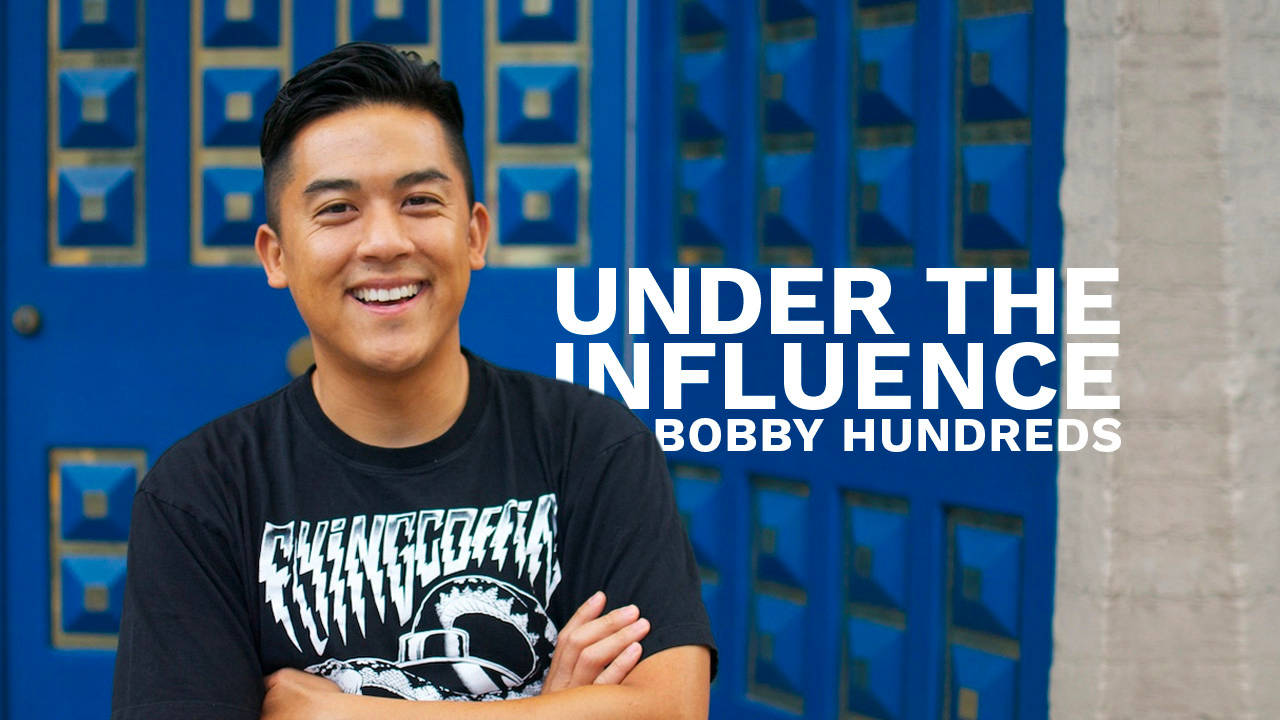
Yet the Fairfax closure leaves a void. The store’s legacy isn’t just in the clothing it sold but in the community it fostered. As Corey Populus, founder of the brand Circulate, wrote in the comments: “Thank you for providing that space for so many of us to meet and grow. Wouldn’t be myself without having that space.”
The Hundreds’ story is a microcosm of a larger shift: the decline of physical streetwear hubs and the rise of digital-first brands. For Fairfax Avenue, it’s the end of an era—but for The Hundreds, it’s the beginning of a new chapter, one that may redefine how streetwear brands survive in a post-physical-retail world.
The Broader Impact on LA’s Retail Landscape
The Hundreds’ closure isn’t just a loss for streetwear fans—it’s a symptom of a larger trend in Los Angeles retail. Over the past decade, rising rents, changing consumer habits, and the dominance of e-commerce have forced many brick-and-mortar stores to adapt or shut down. Fairfax Avenue, once a mecca for skate culture and underground fashion, now hosts a mix of high-end boutiques, coffee shops, and tech offices, a far cry from its heyday.
Yet the story of The Hundreds also highlights how some brands thrive by staying true to their roots. While others fled or pivoted, The Hundreds remained a fixture, even as the neighborhood changed around it. That resilience is what made its closure so poignant—not just for what it represents, but for what it leaves behind.
For now, the Fairfax store’s doors are closed, but its influence lingers. The Hundreds’ legacy isn’t just in the merchandise it sold—it’s in the memories, the friendships, and the culture it helped shape. As Bobby Hundreds put it in his farewell message: “The End of the Beginning.”
“The truth is we’ve been debating the shop’s future for years, but we kept faith that Fairfax would return. As one of the first ones in and the last ones out, we kept our promise to the block. To see this through, to finish what we started. And to give it everything we got. What a fantastic ride it’s been, what an exciting journey ahead. The End of the Beginning.”
—Bobby Hundreds, via <a href="https://www.lamag.
The Hundreds’ story is far from over. With a new book, a TV series, and a reimagined retail approach, the brand is poised to continue shaping culture—just not from Fairfax Avenue anymore.
<!– /wp:paragraph That spirit of resilience and community will undoubtedly inspire others to carry forward the spirit of Fairfax’s storied past.