
Boulder County Farmers, Business Owners Voice Concerns Over Rising Minimum Wage
Unincorporated Boulder County farmers and business owners are expressing concerns that a scheduled minimum wage increase to $25 per hour by 2030 will make operations unsustainable, potentially impacting local food production and employment opportunities.
Michael Moss, owner of Kilt Farm, a 50-acre organic farm, stated, “If it’s going to be elitist, if it’s going to be so small and so expensive, the numbers just stop working out. It just doesn’t make sense anymore.” Moss explained that his farm’s reliance on manual labor and diverse crops prevents the efficiencies of scale needed to absorb the rising costs. Allison Steele, co-owner of the Niwot Market, echoed these concerns, noting the difficulty of justifying a $25 hourly wage for entry-level positions. “You cannot justify paying a 15-year-old $25 an hour. You just can’t,” she said. The current minimum wage in the county is $16.57, but steep percentage increases are planned.
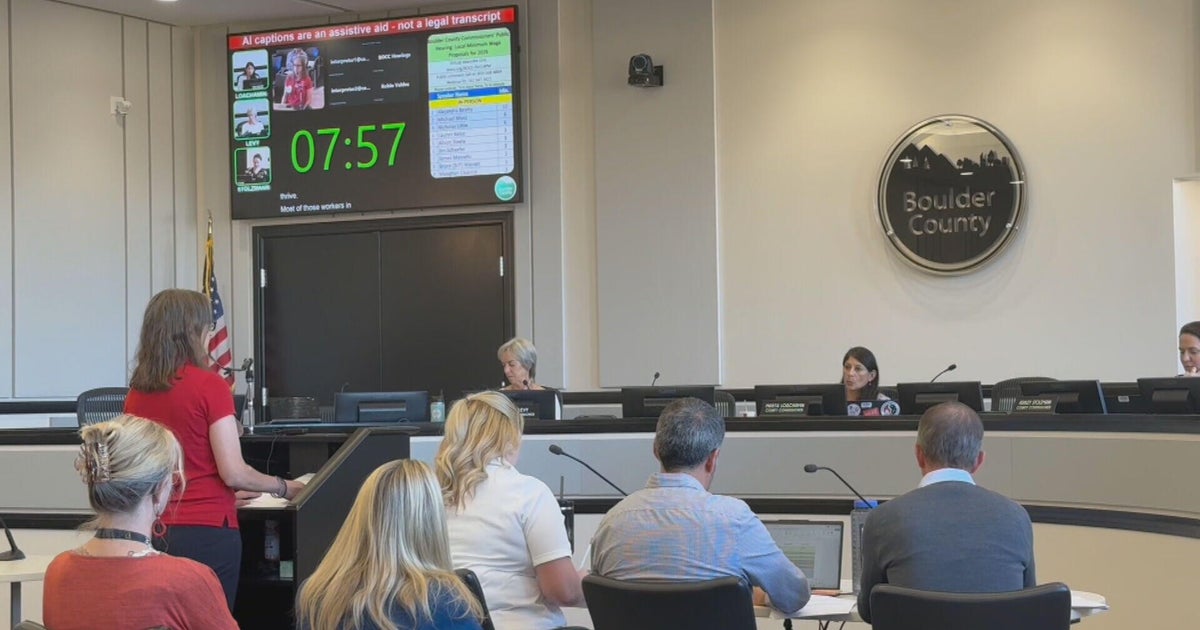
The concerns were voiced during a public comment hearing yesterday before Boulder County Commissioners. While the county envisioned its 2023 minimum wage increase as a regional trendsetter, neighboring cities and towns have not followed suit, creating a wage disparity. This difference—potentially $8 per hour—could force businesses to relocate or reduce staff. Labor organizers, however, argue the higher wage is crucial for economic fairness, with Alejandra Beaty, President of the Boulder Area Labor Council of the AFL-CIO, stating that the county’s move was “one of those lynchpins” for improving wages across the board. You can learn more about the federal minimum wage on the Department of Labor website.
County staff reports estimate a labor force of 22,216 people in unincorporated Boulder County. Commissioners indicated they will discuss potential changes to the wage schedule, including possible tax credits for businesses, during a work session next week, with a vote expected in November. This debate highlights the broader challenges facing communities balancing economic development with worker protections, a topic explored in detail by the Economic Policy Institute.
