
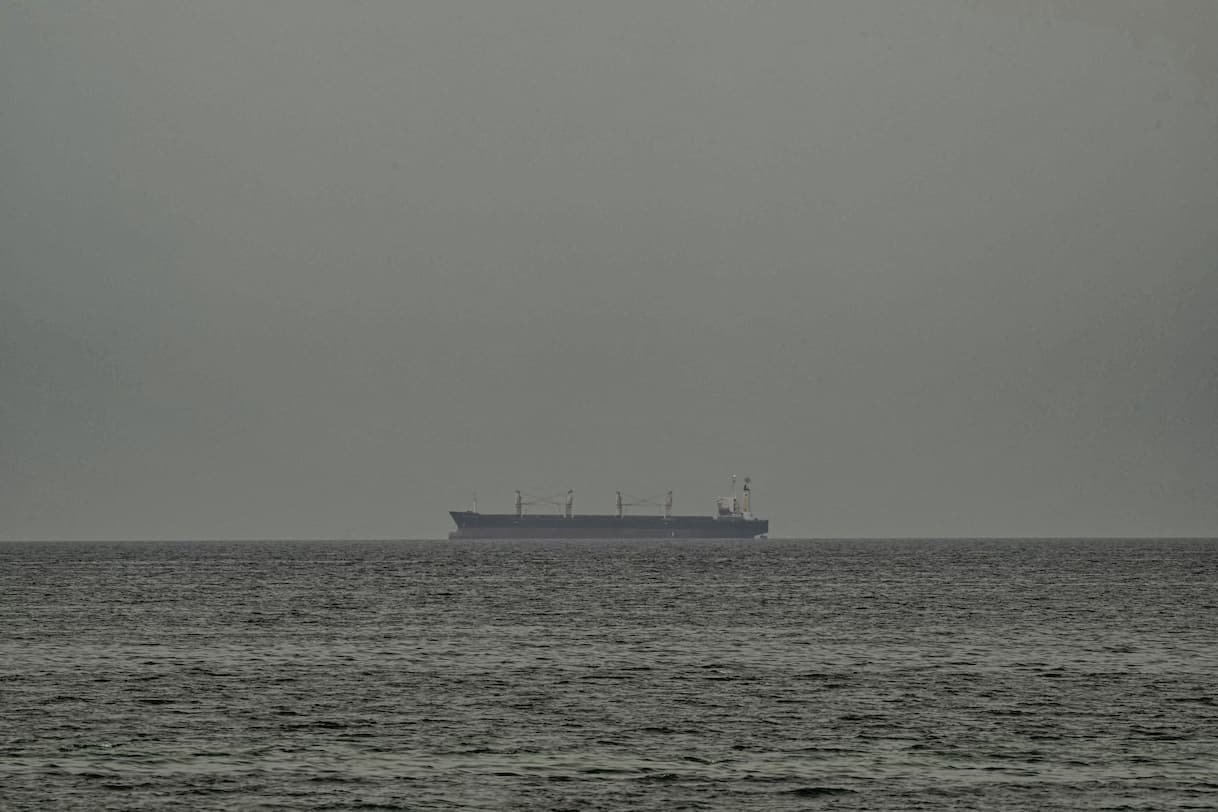
A Chinese oil tanker has breached a US-led blockade in the Strait of Hormuz, a bold maritime maneuver that signals Beijing’s increasing willingness to challenge American strategic dominance in the Middle East. In response to the blockade, China has labeled the US actions as “irresponsible.”
The incident occurs as the region remains gripped by an intensifying conflict involving US-Israel strikes and subsequent Iranian retaliation. This escalation has triggered severe oil market shocks and heightened the risk of a broader regional war. As Beijing positions itself more prominently in the Iranian conflict, President Xi Jinping has introduced a comprehensive peace plan for the Middle East to address the instability.
The strategic stakes of the Hormuz blockade are global. The Food and Agriculture Organization (FAO) has warned that the world could face a “catastrophe” if disruptions to the waterway persist, as global agriculture is highly exposed to the blockage, risking food inflation and higher commodity prices. This maritime tension is further complicated by the deployment of naval mines; experts note that the nature of these mines makes them exceptionally difficult to remove from the strait.
On the diplomatic and strategic front, the United States is reportedly exploring a strategy reminiscent of the “Venezuela formula” to isolate and surround the regime in Tehran. However, analysts argue that Tehran’s geopolitical reality is fundamentally different from that of Caracas, potentially rendering such an approach ineffective.
Adding to the volatility, Donald Trump has proposed a controversial approach to the crisis, suggesting the closing of the Strait of Hormuz as a prerequisite to reopening it. While Trump has indicated that Iran may be seeking a peace deal, he continues to insist on a “no nukes” condition for any agreement.
As of April 14, 2026, diplomatic efforts to revive US-Iran talks are intensifying amid the blockade. The Islamic Republic, led by Supreme Leader Mojtaba Khamenei and President Masoud Pezeshkian, remains a central figure in these tensions. The current instability underscores the precarious balance of power in West Asia, where the intersection of energy security, nuclear ambitions, and great-power competition continues to threaten global economic stability.
