
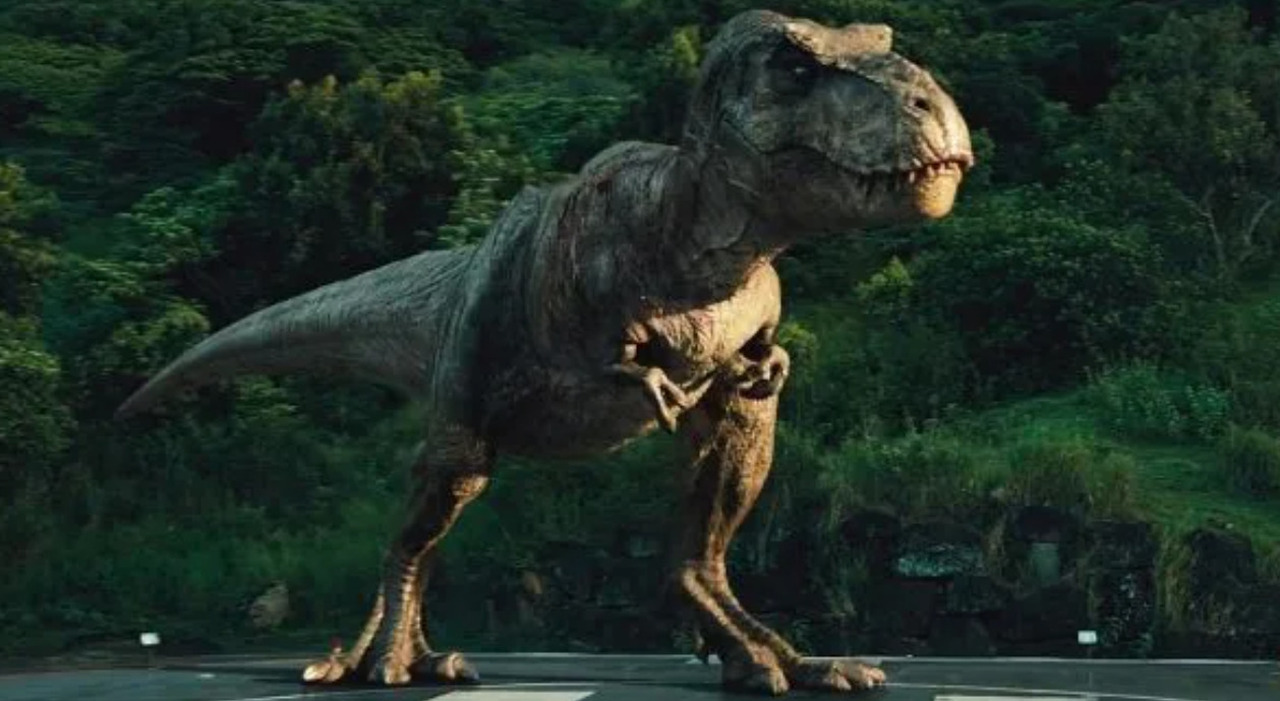
T. Rex’s Running Speed Challenged by New Research
Long-held beliefs about the Tyrannosaurus rex and its locomotion are being re-evaluated following new analysis. Contrary to popular depictions of a swift predator, recent studies suggest the iconic dinosaur was likely a slower runner than previously thought.

The findings challenge the traditional image of the T. Rex as a formidable, fast-moving hunter. Researchers are now proposing a revised understanding of how this apex predator moved and hunted, potentially impacting our broader understanding of dinosaur behavior.
The research indicates that the T. Rex, which lived during the Late Cretaceous period in what is now the western United States, may have been limited in its running speed due to its massive size and skeletal structure. This re-evaluation of its physical capabilities has implications for how paleontologists interpret its hunting strategies and ecological role.
The Tyrannosaurus rex was a carnivorous theropod dinosaur, reaching lengths of up to 13 meters (43 feet). It coexisted with other well-known dinosaurs like Triceratops and Ankylosaurus. The new research prompts a reassessment of the dinosaur’s place in the prehistoric ecosystem.
The debate surrounding the T. Rex’s speed highlights the ongoing process of scientific discovery and the refinement of our understanding of prehistoric life. As new data emerges and analytical techniques advance, long-held assumptions are continually being challenged and revised.
This shift in perspective underscores the importance of continuous research and the application of modern scientific methods to unravel the mysteries of the past. The findings could influence future depictions of the T. Rex in popular culture and educational materials.
