
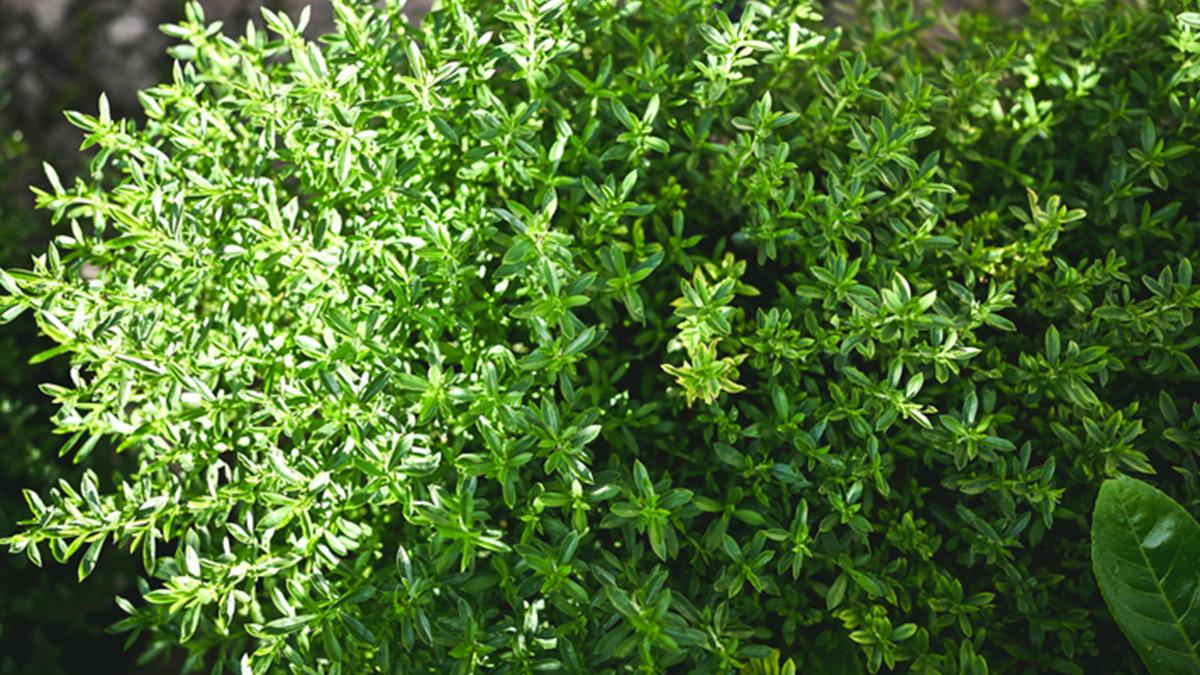
Thyme, with compounds like thymol and carvacrol, exhibits antimicrobial properties. These substances may be effective against bacteria, inhibit certain types of fungi, and support the immune system. Understanding the potential health benefits of common herbs like thyme is increasingly important as people seek natural ways to support their well-being.
Research suggests thyme may play a supportive role, particularly in cases of respiratory infections.
WHAT ARE THE BENEFITS OF THYME?
According to experts, when consumed regularly and as part of a balanced diet, thyme may:
Support the immune system
Aid digestion
Soothe coughs and sore throats
Reduce gas and bloating
Protect cells thanks to its antioxidant content
Thyme tea is often a popular choice during cold and flu season.
HOW SHOULD THYME BE CONSUMED?

Thyme can be consumed in several ways:
1. Thyme Tea
1 teaspoon of dried thyme
1 cup of hot water
Steep for 5-10 minutes
1-2 cups per day are recommended. However, pregnant women, breastfeeding mothers, and individuals with chronic conditions should obtain approval from their doctor before consuming it.
2. In Cooking
In meat and vegetable dishes
In olive oil-based dishes
In salads
3. Thyme Oil (use with caution)

Due to its high concentration, it is generally used diluted. Direct consumption is not recommended and thyme oil should only be consumed with a doctor’s approval. It is definitely not recommended for those with a sensitive stomach.
Like all natural products, thyme should be consumed consciously. Excessive consumption can upset the stomach. Pregnant women and those with chronic illnesses should consult a doctor. Thyme oil should not be used directly, but must be diluted. High doses of essential oils can cause irritation, particularly.
WHAT DOES THE SCIENCE SAY?
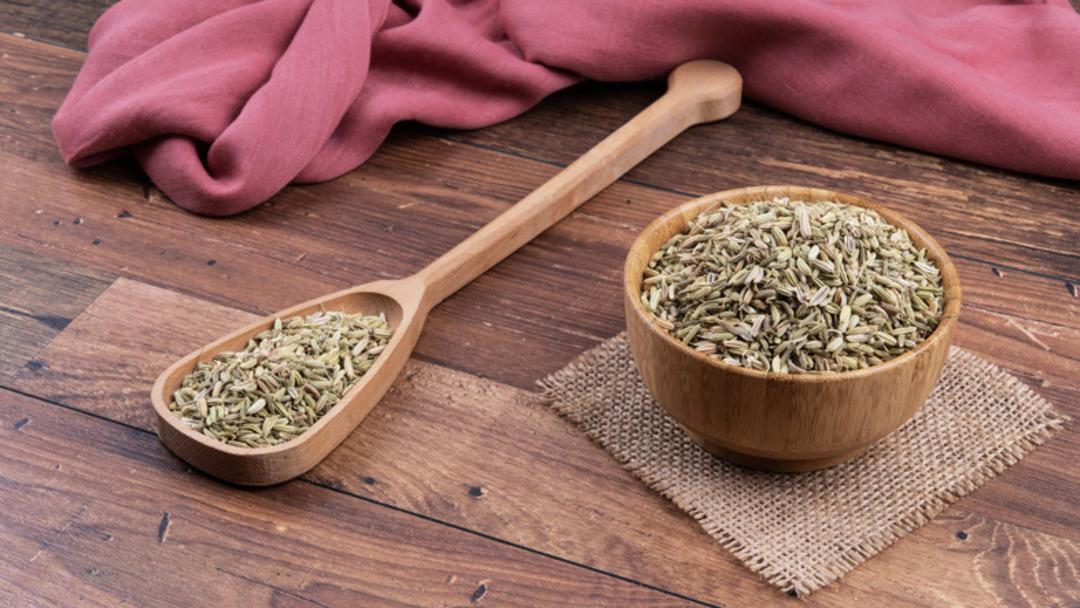
Studies on thyme have revealed that the active compounds within the plant possess antimicrobial and antioxidant properties. However, experts emphasize that these types of plants should be considered supportive rather than curative. Research into the medicinal properties of herbs is ongoing, and these findings contribute to a growing body of knowledge.
Thyme, one of nature’s most potent aromatic plants, can contribute to health when used correctly. As with all herbal products, moderate and conscious consumption is the most important rule.
