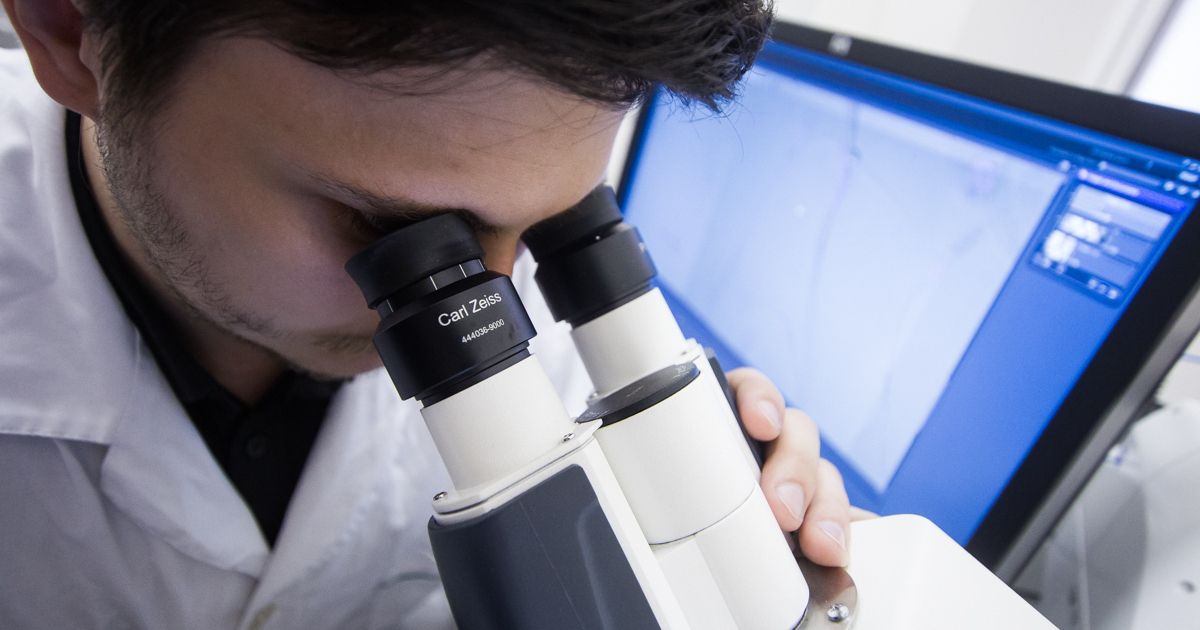
A breakthrough in diabetes treatment emerged Sunday, May 24, 2026, as researchers at Uppsala University developed beta cells capable of evading the immune system after transplantation—a development that could eliminate the need for lifelong insulin injections. The method, published in the New England Journal of Medicine, represents a major leap forward in addressing the core challenge of immune rejection that has stymied previous cell-replacement therapies.
The Immune-Evasion Trick: How Cells Learn to Hide
Researchers at Uppsala University have engineered beta cells—insulin-producing cells destroyed in type 1 diabetes—to “hide” from the immune system after transplantation. Unlike previous approaches that relied on immunosuppressive drugs or protective capsules, this method modifies the cells themselves before they enter the body, making them less detectable to the immune system’s attack mechanisms. The breakthrough, detailed in a study published in the New England Journal of Medicine, could transform diabetes treatment by eliminating the need for patients to take lifelong immunosuppressants, which carry serious infection risks.
cluster (priority): maestrovirtuale.com
The core challenge in diabetes cell therapy has always been immune rejection: when transplanted beta cells are recognized as foreign, the body attacks and destroys them within weeks. Current treatments—such as encapsulating cells in biocompatible materials or deriving them from the patient’s own tissue—have shown promise but remain limited in scalability or effectiveness. This new approach, however, takes a different tack: instead of shielding the cells externally, scientists pre-treat them to reduce their visibility to the immune system. “We’re not just masking the cells,” said a spokesperson for the Uppsala team, “we’re teaching them to blend in.”
Why This Matters: The Cost of Current Treatments
For the millions living with type 1 diabetes, the stakes couldn’t be higher. Current therapies—whether insulin injections or existing cell-transplant experiments—come with trade-offs. Insulin therapy, while life-saving, requires constant monitoring and adjustments, and even then, fails to fully replicate natural blood sugar regulation. Previous cell-transplant trials, such as those using encapsulated cells or patient-derived stem cells, have shown partial success in stabilizing glucose levels, but the need for immunosuppressants introduces new risks, including higher susceptibility to infections and long-term organ damage.
cluster (priority): lafoy.ru
The Uppsala method could sidestep these risks entirely. By modifying the cells to evade detection, patients might avoid the harsh side effects of immunosuppressants while still receiving a functional transplant. Early results suggest that some patients in previous trials were able to reduce their insulin doses or even discontinue them temporarily—though these effects were often short-lived due to immune rejection. This new approach, if successful in human trials, could extend those benefits indefinitely.
The Science Behind the Breakthrough: How Cells Are Modified
The specific modifications made to the beta cells aren’t yet public, but the study outlines a two-step process: first, the cells are genetically or biochemically altered in the lab to reduce the expression of proteins that trigger immune responses. Second, these modified cells are tested to ensure they retain their insulin-producing function while evading detection. The goal is to create a “stealth” cell that the body tolerates long-term, much like the body accepts its own tissues.
This isn’t the first time scientists have attempted to manipulate immune responses in diabetes treatment. Earlier research explored using regulatory T-cells to suppress attacks on transplanted cells, or engineering cells to express “self” markers that trick the immune system into accepting them. However, those methods often required ongoing immune suppression or had limited durability. The Uppsala team’s approach appears to combine elements of both strategies, with a focus on pre-conditioning the cells themselves rather than relying on external interventions.
The Road Ahead: What Comes Next?
The study published in the New England Journal of Medicine is a critical first step, but the real test will come in human trials. Researchers will need to demonstrate that the modified cells can survive long-term in patients without triggering rejection or losing their insulin-producing capacity. If successful, this could pave the way for off-the-shelf cell therapies—where cells grown in labs could be transplanted into patients without the need for personalized tissue matching or lifelong immunosuppression.
Age-Related Diabetes Caused by Immune Cells, New Therapy Possible
One major hurdle remains: scalability. Growing and modifying beta cells in large quantities is no small feat, and ensuring consistency across batches will be essential. Additionally, regulatory approval for such a groundbreaking therapy could take years, even if preliminary data is promising. But if the method holds up in clinical trials, it could redefine diabetes treatment, offering a cure rather than just management.
Broader Implications: Beyond Diabetes
The principles behind this research extend far beyond diabetes. Immune evasion techniques could be applied to other organ transplants, such as liver or kidney cells, where rejection is a persistent challenge. In the long term, this kind of cell modification might even influence cancer immunotherapy, where the goal is often to either hide tumors from the immune system or, conversely, make them more visible for attack. The Uppsala team’s work suggests that precise immune manipulation could become a versatile tool in regenerative medicine.
cluster (priority): geografishka.ru
For now, however, the focus remains on diabetes. With type 1 diabetes affecting an estimated 1 in 100 people worldwide, a functional cure would be a game-changer—not just for patients, but for healthcare systems strained by the cost of lifelong insulin therapy. The next few years will determine whether this breakthrough translates from the lab to the clinic, but the potential is undeniable.
For readers eager to dive deeper, the full study in the New England Journal of Medicine outlines the methodology and early results, while Uppsala University’s official statements provide additional context on the team’s long-term goals. The implications of this research could reshape not just diabetes care, but the entire field of regenerative medicine.
Sophie Williams is the Tech Editor at Headlinez.News, covering innovation, artificial intelligence, cybersecurity, and emerging technology trends. Before joining the publication, she worked as a technology correspondent and product analyst for multiple tech-focused media outlets. With a background in computer science and digital media, Sophie bridges technical depth with accessible reporting, bringing readers closer to the technologies transforming everyday life.
Expertise: Artificial intelligence, consumer tech, cybersecurity, startups, digital transformation.
Location: San Francisco, California, USA