
The Democratic Republic of Congo’s latest Ebola outbreak has triggered a global health alert, forcing the U.S. to ramp up screenings at three major airports—including Houston’s Bush Intercontinental—just weeks before the World Cup. As of May 22, 2026, passengers arriving from Congo, Uganda, and South Sudan face mandatory health checks, while an American doctor infected with the deadly Bundibugyo strain now fights for his life in Berlin after a dramatic evacuation.
Why Houston Is Ground Zero for Ebola Screening
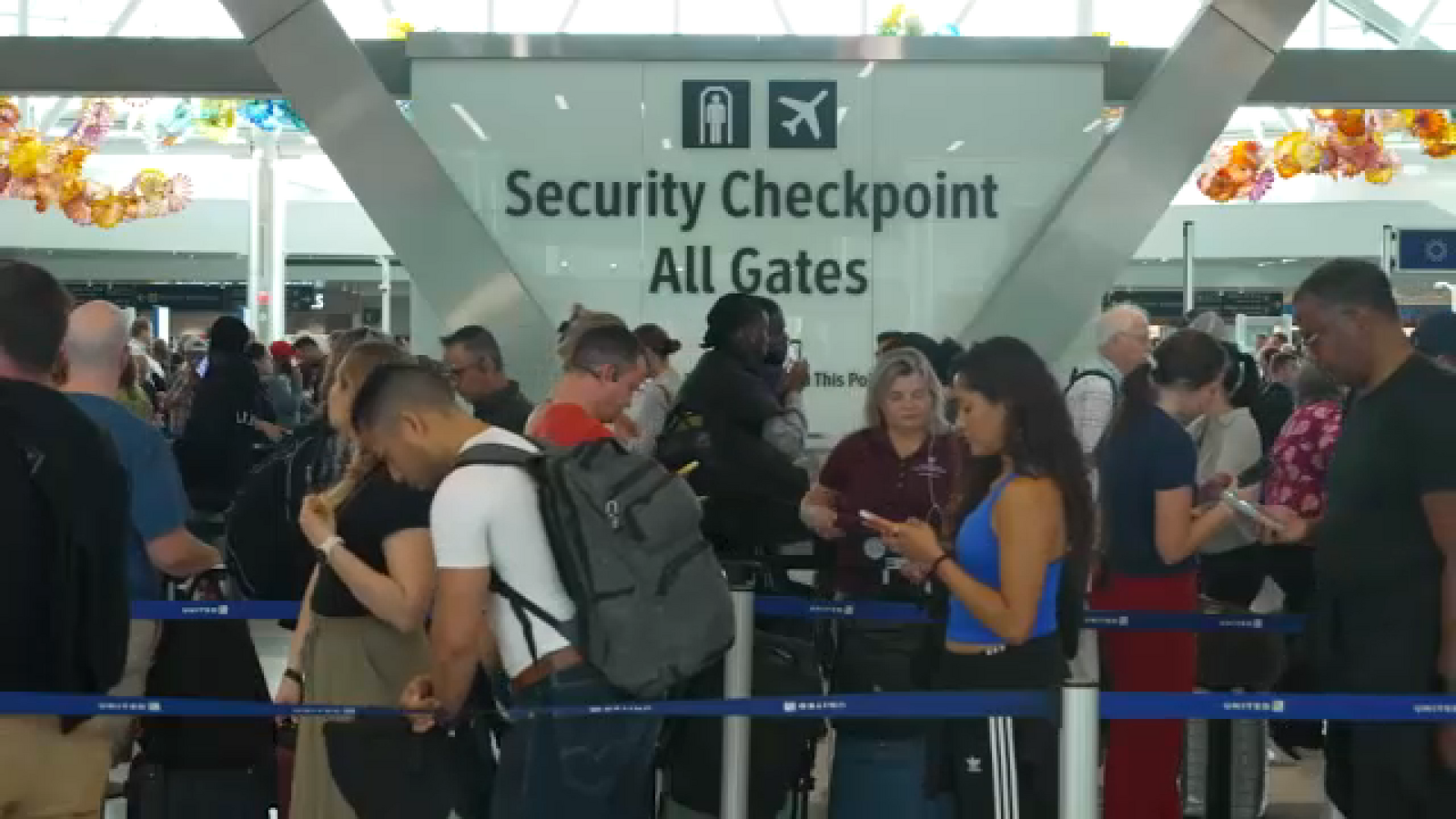
Houston’s Bush Intercontinental Airport (IAH) is now one of three U.S. hubs—alongside Washington’s Dulles and Atlanta’s Hartsfield-Jackson—where travelers from Congo, Uganda, and South Sudan will undergo enhanced Ebola screenings starting May 23. The move, announced by U.S. Customs and Border Protection (CBP), comes as the Democratic Republic of Congo battles its third known outbreak of the Bundibugyo ebolavirus, a strain with no vaccine or proven treatment and a fatality rate of 30% to 50%. The timing couldn’t be worse: the Congolese national soccer team, one of the 32 competing in the World Cup, is set to arrive in Houston on June 11 after a 21-day quarantine period.
The CBP’s decision to include IAH reflects its status as a major entry point for flights from the affected region, though the agency declined to specify why Houston was chosen over other Texas airports like Dallas-Fort Worth. What is clear is that the screenings—mandatory for passengers who’ve been in those countries within the past three weeks—will focus on symptoms like fever, fatigue, and rash, the early warning signs of Ebola. Airlines are already required to notify authorities about travelers from high-risk areas, but the new measures add an extra layer of scrutiny as the U.S. braces for potential cases.

For Houston, the stakes are uniquely high. The city is hosting the World Cup, and the Congolese team’s arrival on June 11 has become a political and public health tightrope. Andrew Giuliani, director of the White House World Cup Task Force, warned that any breach in the team’s quarantine bubble—such as introducing a new member who’s been in Congo and shows symptoms—could jeopardize their entry. “We’ve been very clear to Congo: they should maintain the integrity of their bubble for 21 days before they can come to Houston on June 11,” Giuliani said in a statement to ESPN. “If they introduce someone new to that bubble who may have been to Congo, and they are showing symptoms, it does risk the team being able to come in.”
The World Health Organization (WHO) has reported nearly 750 suspected cases of the Bundibugyo strain in Congo and neighboring Uganda, with 177 suspected deaths—a figure health officials believe is likely an undercount. The strain’s rarity (this is only the third known outbreak) and lack of treatment options have made it a global concern, especially as travel surges ahead of the World Cup.
The Doctor on the Front Lines: A Race Against Time
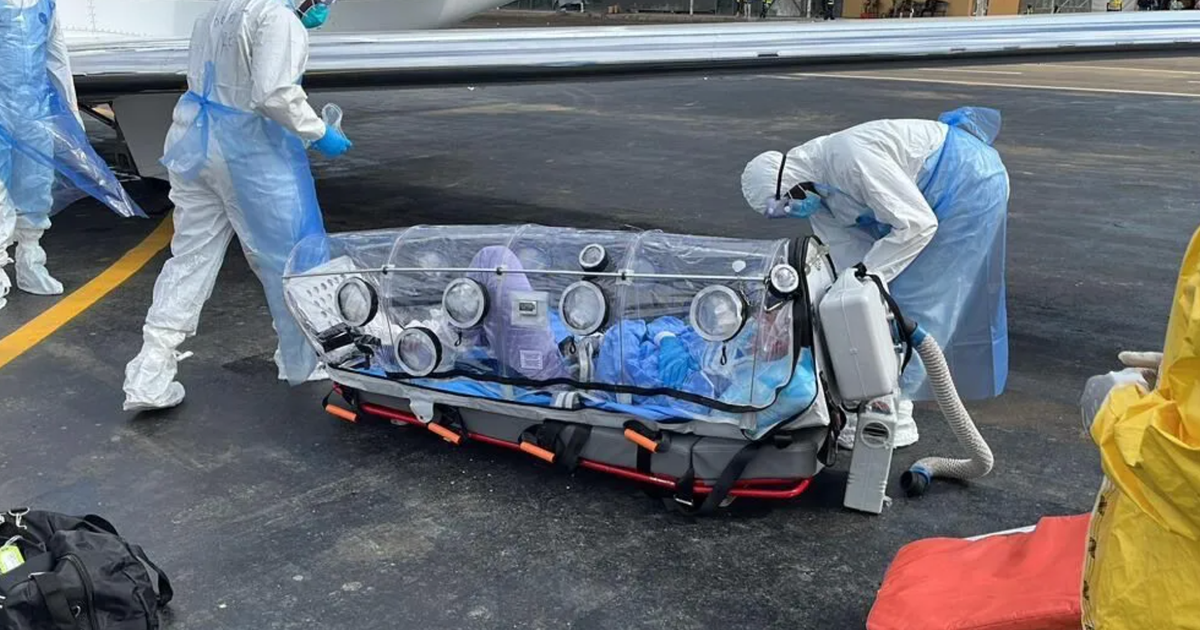
While the U.S. tightens its borders, an American doctor’s fight for survival in Berlin has exposed the brutal reality of this outbreak. Dr. Peter Stafford, a missionary physician working with the group Serge in eastern Congo, contracted Ebola while performing surgery at Nyankunde Hospital in Bunia. His condition deteriorated rapidly, and on May 22, he was evacuated to Charité University Hospital in Berlin, where he remains in a high-security isolation unit. His wife, Dr. Rebekah Stafford—also a Serge worker—and their four children were evacuated alongside him but remain asymptomatic and quarantined separately.
Stafford’s ordeal underscores the risks faced by medical personnel in Congo, where the Bundibugyo strain spreads through direct contact with bodily fluids—a particular hazard for surgeons and nurses. His symptoms, including vomiting, rash, and diarrhea, align with the strain’s progression, though Charité officials report he is “severely weakened but not currently critically ill.” The hospital emphasized that his condition could still worsen, and he remains under close observation.
Before I was evacuated I was feeling really concerned I wasn’t going to make it. And now I’m cautiously optimistic.
Dr. Peter Stafford, via <a href="https://www.cbsnews.
Stafford’s statement—shared by Serge—reveals the emotional toll of the outbreak. “Before I was evacuated I was feeling really concerned I wasn’t going to make it. And now I’m cautiously optimistic,” he said. His case is a stark reminder that even with evacuation, the Bundibugyo strain is far deadlier than the more familiar Zaire ebolavirus, which has a vaccine and treatments like ZMapp. For Stafford, survival now hinges on supportive care: rehydration, symptom management, and the hope that his immune system can outlast the virus.
What the Screenings Won’t Catch—and Why It Matters
The CBP’s enhanced screenings at IAH, Dulles, and Hartsfield-Jackson are a critical but imperfect shield. While the measures target symptomatic travelers, they won’t catch asymptomatic cases—the silent carriers who could unknowingly spread the virus. The CDC has warned that the Bundibugyo strain’s symptoms can mimic those of malaria or typhoid, making early detection difficult without lab testing. This is why the Congolese soccer team’s 21-day quarantine is so critical: it’s the only way to ensure no one slips through the cracks.
Yet even quarantine isn’t foolproof. The team’s bubble includes coaches, staff, and players who may have had indirect contact with infected individuals. If one member develops symptoms, the entire group could be grounded—disrupting the World Cup and sending a chilling message to other teams from high-risk regions. The stakes are clear: a single case in Houston could trigger a global panic, especially as the city prepares to welcome millions of visitors.
What’s less clear is how long these screenings will last. The CBP hasn’t specified an end date, leaving public health officials and travelers in limbo. One thing is certain: the Bundibugyo outbreak isn’t going away anytime soon. With nearly 750 suspected cases and no end in sight, the U.S. is playing whack-a-mole, hoping to contain the virus before it gains a foothold.
The Bigger Picture: Why This Outbreak Feels Different
This isn’t the first time Ebola has made headlines, but the Bundibugyo strain’s combination of lethality, rarity, and lack of treatment makes it uniquely dangerous. The last major outbreak—a decade ago in West Africa—killed over 11,000 people, but that strain had a vaccine and experimental treatments like ZMapp. The Bundibugyo variant offers neither. That’s why Dr. Scott Myhre, Serge’s director for East and Central Africa, described Stafford’s case as a “race against time.” Without a vaccine, the only defense is isolation—and even that isn’t guaranteed.

For Houston, the challenge is balancing public health with the economic and social impact of the World Cup. The city’s decision to host the tournament during an Ebola outbreak has drawn criticism, but officials insist the enhanced screenings are a necessary precaution. The question now is whether they’re enough. If a single case slips through, the consequences could be catastrophic—not just for Houston, but for the entire country.
What’s certain is that the world is watching. The Congolese team’s arrival on June 11 will be a test of both medical preparedness and political will. Fail, and the fallout could echo the chaos of the 2014 West Africa outbreak. Succeed, and it could set a new standard for global health security in the age of pandemic preparedness.
What’s Next: The Next 30 Days Will Decide Everything
The next month will be critical. By June 11, we’ll know whether the Congolese team’s quarantine held—or if Houston’s screenings caught a case before it spread. In the meantime, the U.S. must decide how long to maintain the enhanced measures. Will they lift after the World Cup, or will the Bundibugyo threat linger long after the tournament ends?
For Dr. Stafford, the next few weeks are a waiting game. His condition may improve—or worsen suddenly. For Houston, the next 30 days will determine whether the city’s gamble on the World Cup pays off—or becomes a cautionary tale about the fragility of global health security.
One thing is clear: the world is on notice. Ebola isn’t just a distant memory. It’s here. And the clock is ticking.
<!– /wp:paragraph Despite the challenging circumstances, Dr. Stafford remains optimistic about his condition after being evacuated from the hospital in Congo.