

Valve’s Next VR Headset Reportedly Entering Mass Production
Valve is ramping up production of a new virtual reality headset, potentially launching in late 2025, according to recent supply chain reports.
The XR Research Institute, a Chinese research group with a track record of accurate leaks in the tech industry, indicates Valve is aiming to manufacture between 400,000 and 600,000 units this year. A now-deleted post on the Chinese social platform WeChat suggested a target launch in the fourth quarter of 2025, coinciding with the holiday shopping season. While the exact specifications remain unclear, speculation points to a standalone headset potentially branded “Index 2,” capable of wirelessly streaming PC VR games.
Evidence supporting the development comes from data analyst Brad Lynch, who discovered references to ‘DV1’ and ‘DV2’ – developer versions of the hardware – within the latest SteamVR beta. “DV units are the final stages before the model (PV) that consumers will buy,” Lynch posted on X yesterday. Rumors circulating online refer to the device as ‘Deckard’ or ‘Steam Frame,’ and suggest it could offer a more versatile experience than its predecessor, the 2019 Valve Index, which required external base stations and a PC connection. The increasing demand for standalone VR headsets, like the Meta Quest 3, is driving innovation in the space.
Some analysts believe Valve is aiming to create a device that blurs the line between VR and portable gaming, potentially allowing users to download and play traditional flatscreen games on a large virtual display. Leaked images of new controllers, codenamed ‘Roy,’ feature a gamepad-style layout, further supporting this theory. Valve previously demonstrated its VR capabilities with the critically acclaimed Half-Life: Alyx, showcasing the potential of immersive gaming experiences.
Valve is reportedly finalizing developer versions of the hardware and preparing software demonstrations, suggesting a full reveal could be forthcoming in the coming months.
Valve’s next VR headset may be just around the corner, as supply chain leaks suggest the device has now entered mass production.
The News
The ‘XR Research Institute’, a Chinese research group responsible for previous leaks surrounding Ray-Ban Meta, claims that Valve is now ramping production of its next VR headset.
As first reported by UploadVR, the group claims Valve is aiming for a production volume of 400,000 – 600,000 units this year.
Chinese language WeChat user ‘BlackHairSheriff008’ says in a now-deleted WeChat post that the device is targeting launching in Q4 2025 to capitalize on the Holiday shopping season.
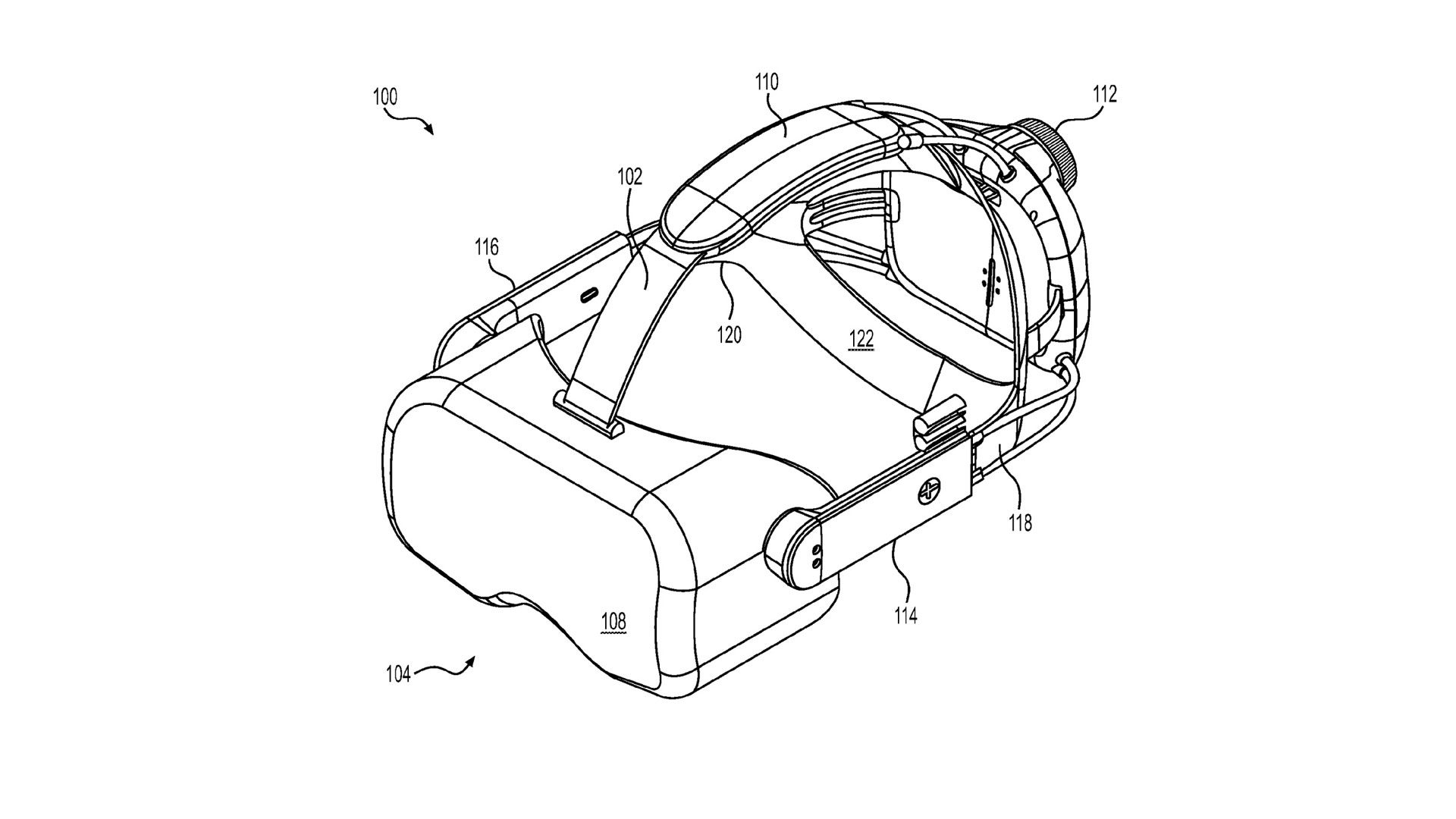
From BlackHairSheriff’s article, it’s not clear precisely what sort of VR headset Valve is supposedly manufacturing right now, at least according to the XR Research Institute leak. The poster suggests Valve may name the device “Index 2”.
What’s more, the now-deleted article stated that Valve was manufacturing the device in Shandong, China, however the post was taken down following the revelation it may actually be a Taiwan-based company.
There is mounting evidence however that Valve is indeed producing a VR headset of some sort. Referred to as ‘Deckard’ or ‘Steam Frame’, rumors suggest Valve is creating a standalone headset that can also wirelessly stream PC VR games.
Additionally, XR data analyst Brad Lynch (aka ‘SadlyItsBradley‘) now suggests Valve may be finalizing developer versions of the hardware, indicated by ‘DV1’ and ‘DV2’ found in code within the most recent SteamVR beta.
Deckard DV1 and DV2 models appeared in tonight’s SteamVR beta
For Valve hardware: DV units are the final stages before the model (PV) that consumers will buy pic.twitter.com/xO4PJop1Wq
— SadlyItsDadley (@SadlyItsBradley) October 9, 2025
My Take
I find it pretty unlikely Valve would ever invest the time to release a purely PC VR follow-up to the 2019 Valve Index, which relies on SteamVR base stations and obligatory PC tether. Even in 2025, it’s a great headset, but increasingly bulky in comparison to its more recent thin and light competitors, like Bigscreen Beyond 2 and the soon-to-launch Pimax Dream Air.
Let’s suppose Valve slims down Index, removes the need for both base stations and tether, and replaces them with inside-out tracking and a neat wireless dongle for low-latency PC-to-VR streaming. Even with the supposed inclusion of eye-tracking, it doesn’t feel like that hypothetical ‘next-gen’ goes far enough. Valve is usually focused on moving the needle, and that alone doesn’t do it.

To me, Valve is looking to move the needle by offering (for the lack of a better term) a Steam Deck for your face.
While I’m not suggesting Deckard will indeed be capable of natively driving all PC VR games, it may be enough for many prosumers to have a device capable of downloading flatscreen games on-device and playing on a giant personal theater screen. We’ve seen leaks of Valve controllers late last year, codenamed ‘Roy’, that seem to include a gamepad-style button layout, which would make it easier for users to play flatscreen games.
Grain of salt here: it could also stream PC games wirelessly at ‘perfect’ quality and latency, and play some PC VR games natively too—maybe even an optimized version of Half-Life: Alyx (2020). According to a rumor by ‘Gabe Follower’ from earlier this year, Valve is also reportedly preparing “games or demos” that work natively for the device.
Whatever the case, all signs point to Valve unveiling something soon, so we’re hoping to learn more in the next few months.
