

Xvisio Technology, a developer of augmented reality hardware based in San Jose, officially launched its latest series of mixed reality (MR) glasses and AI-integrated head-mounted displays (HMDs) this week. The hardware is designed to support spatial computing applications for enterprise and industrial use, focusing on high-fidelity display optics and onboard processing for real-time artificial intelligence tasks.
Xvisio Hardware Specifications and AI Integration
The new product lineup features the Xvisio AR-G1 series, which targets enterprise workflows requiring hands-free data visualization. According to the company’s product specifications released on June 16, 2026, the units utilize a proprietary SLAM (Simultaneous Localization and Mapping) engine to track environment depth without requiring external base stations. This tracking method relies on a suite of integrated cameras and sensors that map the physical surroundings in real-time, allowing virtual objects to remain anchored to specific locations even as the user moves.
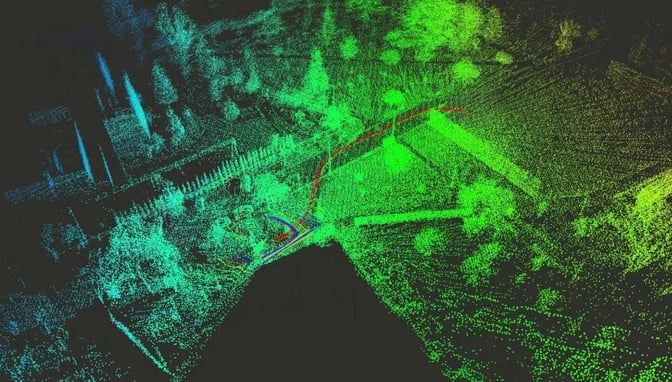
The onboard AI processing architecture is designed to handle object recognition and gesture tracking locally on the device. This shift toward edge computing aims to reduce latency for industrial workers who rely on real-time schematics or maintenance logs while navigating complex physical environments. By processing data directly on the HMD rather than transmitting it to a remote server, the system minimizes the communication delays that can occur in factory settings with heavy signal interference. The devices are compatible with standard industry XR software platforms, allowing for integration with existing digital twin environments used in manufacturing and logistics sectors, where high-fidelity virtual replicas of physical systems are used to monitor operational performance.
Competitive Positioning in the Spatial Computing Market
Xvisio’s latest release enters a market currently defined by high-end headsets from major manufacturers like Apple and Meta, though the company maintains a distinct focus on the B2B sector rather than consumer entertainment. While consumer devices often prioritize multimedia, gaming, and social connectivity, Xvisio’s architecture emphasizes durability and long-duration wearability for field operations. Enterprise requirements often dictate that hardware must withstand specific environmental conditions, such as dust, humidity, or temperature fluctuations, which are common in heavy industry and remote maintenance scenarios.
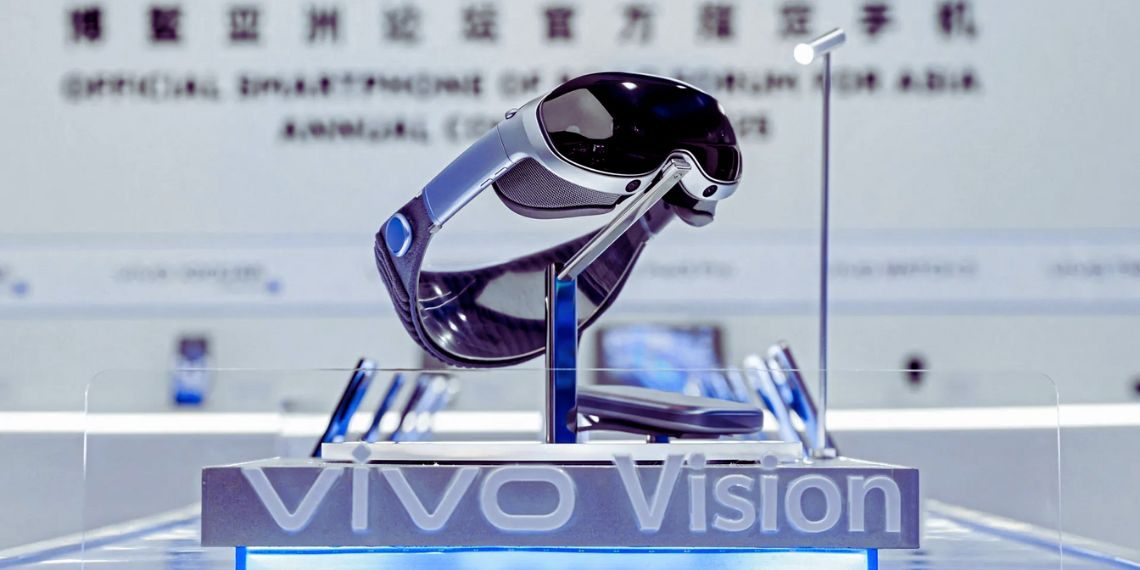
Industry analysts suggest that the hardware is positioned to compete with specialized enterprise solutions from companies like Vuzix and RealWear. Unlike consumer-grade devices that frequently rely on tethered connections to smartphones or powerful desktop PCs to handle intensive graphics rendering, Xvisio’s latest HMDs are built as standalone units. This independence is a primary selling point for the company, as it allows for mobility in large-scale warehouses or remote field locations where wireless connectivity may be inconsistent or unavailable. In these environments, the ability to operate without a permanent link to a host computer is considered critical for safety and operational efficiency.
Technical Challenges and Future Deployment
Despite the technical advancements in optics and processing, the adoption of head-mounted displays in industrial settings remains contingent on battery efficiency and thermal management. The inherent challenge of placing high-performance computing components in a wearable form factor involves balancing processing speed with heat dissipation. If a device becomes too hot, it can become uncomfortable for the wearer or trigger automatic thermal throttling, which reduces the device’s performance. Xvisio reported that the new units include an updated power management system designed to extend runtime by 15% compared to their previous 2024 models.
The company has not yet provided specific pricing for the global market, though they confirmed that pilot programs for enterprise partners are scheduled to begin in the third quarter of 2026. Pilot programs represent a standard industry practice where hardware is deployed in controlled, small-scale environments to test how the technology interacts with existing workflows. The success of this rollout will likely depend on how effectively these units integrate with legacy enterprise resource planning (ERP) software already in use by manufacturing clients. Integrating new hardware with legacy systems often requires custom software bridges to ensure that data from the headset can be effectively communicated back to core business management databases.
“Our goal is to move beyond the experimental phase of spatial computing and provide a tool that can be used for eight-hour shifts in demanding environments,” said an Xvisio representative during the launch event in San Jose.
The hardware’s ability to handle high-resolution overlays while maintaining a low thermal profile will be the primary metric for success as the units move into live industrial testing. In the field of optics, high resolution is essential for ensuring that text and technical schematics remain legible, as blurred overlays can lead to operator fatigue or errors in reading complex data. With competitors continuing to iterate on their own enterprise-grade offerings, Xvisio faces a narrow window to capture market share among companies looking to digitize their floor operations before the end of the year. The broader trend of digital transformation in manufacturing—the process of integrating digital technology into all areas of business—remains a key driver for demand in this sector, as firms seek to increase productivity and reduce the training time required for complex manual tasks.
Find more reporting in our Tech section.
