
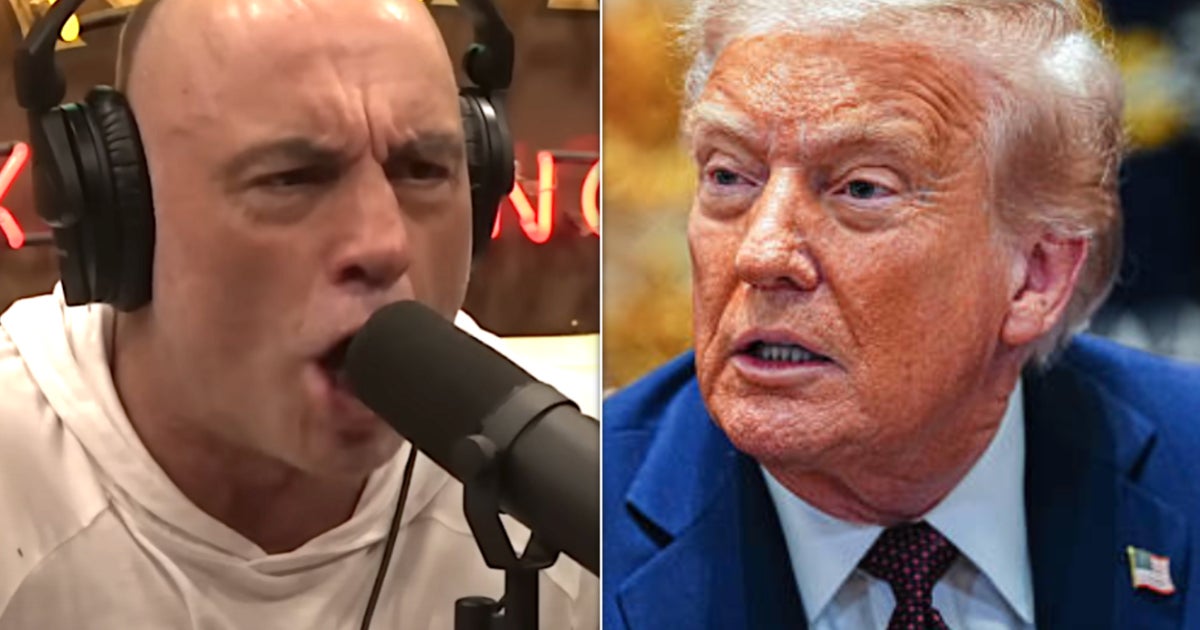
In an era defined by constant data overload, how can we discern truth from fiction in political discourse? This article examines the evolving roles of media personalities like Joe Rogan, particularly concerning figures like Donald Trump, and the increasing importance of fact-checking in shaping public opinion. Discover how podcasts and social media are impacting political narratives and what the future holds for transparency and accountability in media.
The Shifting Sands of Political Discourse: Joe rogan, Donald Trump, and the Future of Fact-Checking
Table of Contents
The intersection of politics, media, and public opinion is constantly evolving. Recent commentary from Joe Rogan,a prominent figure in the podcasting world,regarding Donald Trump’s claims about the 2020 election,offers a fascinating glimpse into these shifts. Rogan’s critique, highlighting the lack of concrete evidence to support the “stolen election” narrative, underscores a growing demand for verifiable facts and transparent communication in the political arena. This article delves into the potential future trends emerging from this dynamic,exploring how media personalities,political figures,and the public are navigating the complexities of truth,trust,and the spread of details.
The Rise of the Fact-Checker and the Skeptic
Rogan’s stance reflects a broader trend: the increasing importance of fact-checking and critical thinking. as misinformation and disinformation proliferate, the public is becoming more discerning, seeking credible sources and verifiable data. This shift is evident in the growing popularity of fact-checking websites and the heightened scrutiny of political statements.
Pro tip: Encourage your audience to verify information from multiple sources before accepting it as fact.
The demand for accountability is rising. Politicians and public figures are under greater pressure to substantiate their claims with evidence. Those who fail to do so risk losing credibility and public trust. This trend is likely to continue, with fact-checking becoming an even more integral part of the media landscape.
The Power of the Podcast and the Influence of Media Personalities
Podcasts like Rogan’s have become influential platforms for shaping public opinion. their long-form format allows for in-depth discussions and nuanced perspectives, reaching a vast and diverse audience. The ability of media personalities to challenge established narratives and hold powerful figures accountable is a meaningful advancement.
Did you know? Podcasts have seen a surge in popularity, with millions of listeners tuning in regularly. This growth has made them a powerful force in shaping public discourse.
The influence of these platforms is undeniable. As more people turn to podcasts for news and analysis, the role of media personalities in shaping public understanding of complex issues will onyl grow. This trend highlights the need for responsible journalism and a commitment to truth-telling within these platforms.
The Future of Political Discourse: Transparency and Accountability
The future of political discourse is likely to be characterized by greater transparency and accountability. The public’s demand for verifiable facts and evidence will continue to shape the way politicians communicate and the way media outlets report.
Case Study: The 2020 election and its aftermath demonstrated the impact of misinformation and the importance of fact-checking. The spread of false claims about election fraud underscored the need for greater transparency and accountability in the political process.
This trend will likely lead to a more informed and engaged electorate,as well as a greater emphasis on ethical communication and responsible journalism. The ability to discern fact from fiction will be a crucial skill for navigating the complexities of the modern information landscape.
Social media platforms play a significant role in the dissemination of information, both accurate and inaccurate. The speed and reach of these platforms make them powerful tools for shaping public opinion, but also create challenges in combating misinformation.
Reader Question: How can we effectively combat the spread of misinformation on social media?
the future will likely see increased efforts to regulate social media platforms and hold them accountable for the content shared on their sites. This could include stricter fact-checking protocols, algorithms designed to identify and flag misinformation, and greater transparency in the way information is presented.
The interplay between customary media, social media, and individual voices will continue to evolve, creating a dynamic and complex information ecosystem.
What are your thoughts on the role of media personalities and the importance of fact-checking in today’s political climate? Share your comments below!
