

Ion Țiriac, the Romanian billionaire behind the ATP 250 tournament in Bucharest, faces an ultimatum from the ATP: either upgrade the facilities by 2027 or lose the license entirely. With the current venue at Arenele BNR deemed inadequate, Țiriac has announced a provisional relocation to Otopeni and a long-term plan to build a 5,000-seat open-air stadium by 2028—at a cost of €100 million.
The stakes couldn’t be higher. After decades of hosting ATP events—including appearances by Novak Djokovic, Grigor Dimitrov, and Gilles Simon—Țiriac’s tournament is now at risk of disappearing from the calendar. The ATP’s patience has worn thin, and without immediate action, Romania could lose its only remaining ATP 250 event.
The ATP’s Final Warning
Țiriac’s predicament stems from a single, blunt message delivered by ATP officials: “We’ve tolerated your delays twice, but this time, we’re done.” The warning came after years of complaints about outdated facilities at Arenele BNR, where the tournament has been held since its 1993 debut. The ATP’s president, Andrea Gaudenzi—a figure Țiriac has known since Gaudenzi was 11 years old—has made it clear: no upgrades, no tournament.
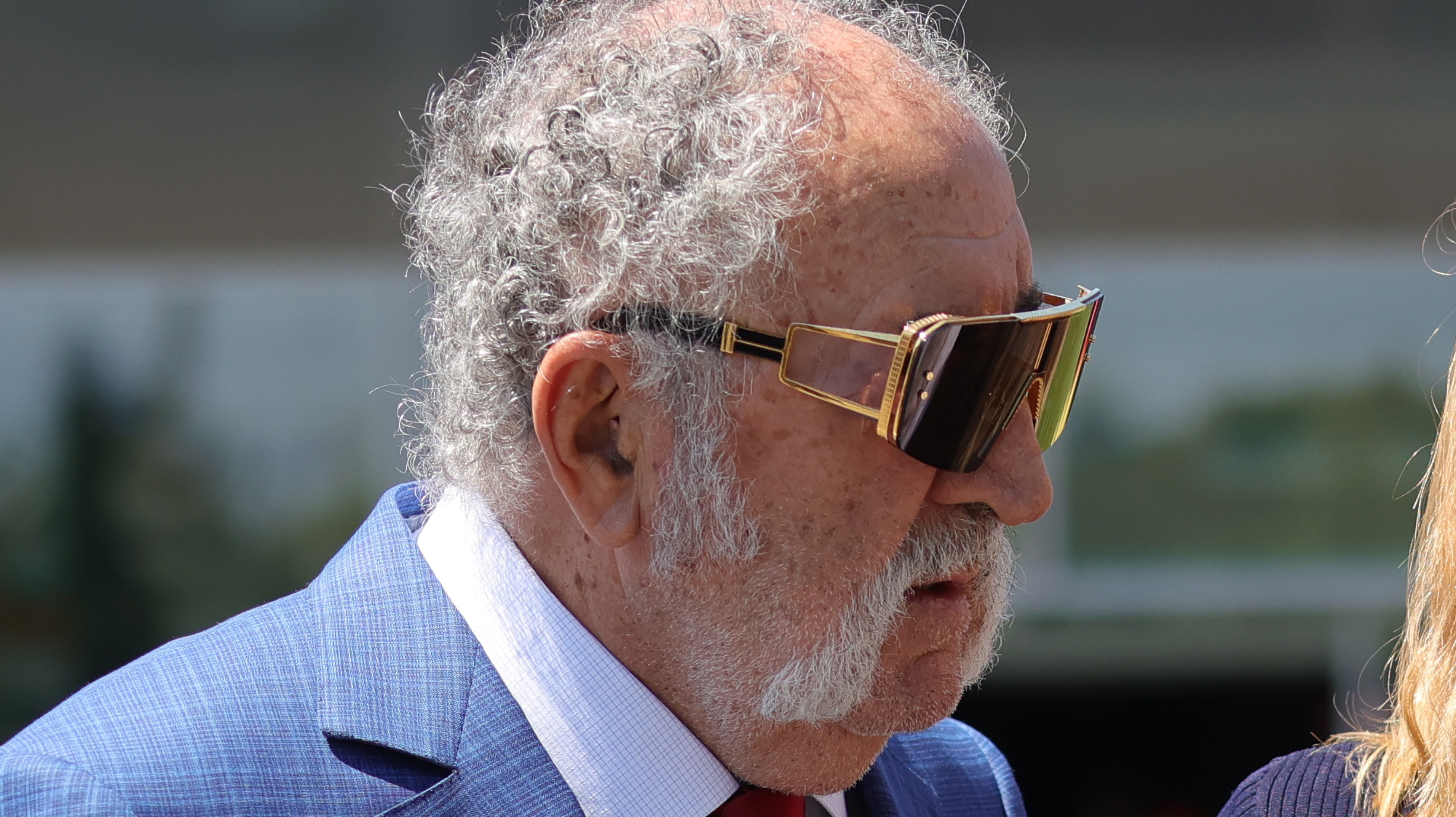
“We’ve tolerated your delays twice, but this time, we’re done.”
ATP officials, via <a href="https://www.digisport.
Țiriac’s response? A mix of pragmatism and defiance. He’s already begun relocating the tournament to Otopeni for 2027, where he plans to construct a temporary solution. But his ultimate goal—a €100 million, 5,000-seat open-air stadium—won’t be ready until 2028. The catch? The ATP has explicitly ruled out a covered arena, forcing Țiriac to build outdoors. “If I lose this tournament, we’re left with nothing,” he said, acknowledging the financial and symbolic weight of the decision.
A Tournament with History—and a Fragile Future
The ATP 250 event in Bucharest has been a cornerstone of Romanian tennis for nearly 30 years. Since its inception in 1993, it has hosted legends like Goran Ivanišević (the first winner), Novak Djokovic (then a 17-year-old qualifier in 2004), and Grigor Dimitrov (the 2014 champion). Yet despite its pedigree, the tournament’s infrastructure has lagged. Between 2017 and 2023, it was temporarily replaced in the ATP calendar by other events, and its return in 2024 was met with skepticism over whether the facilities could meet modern standards.
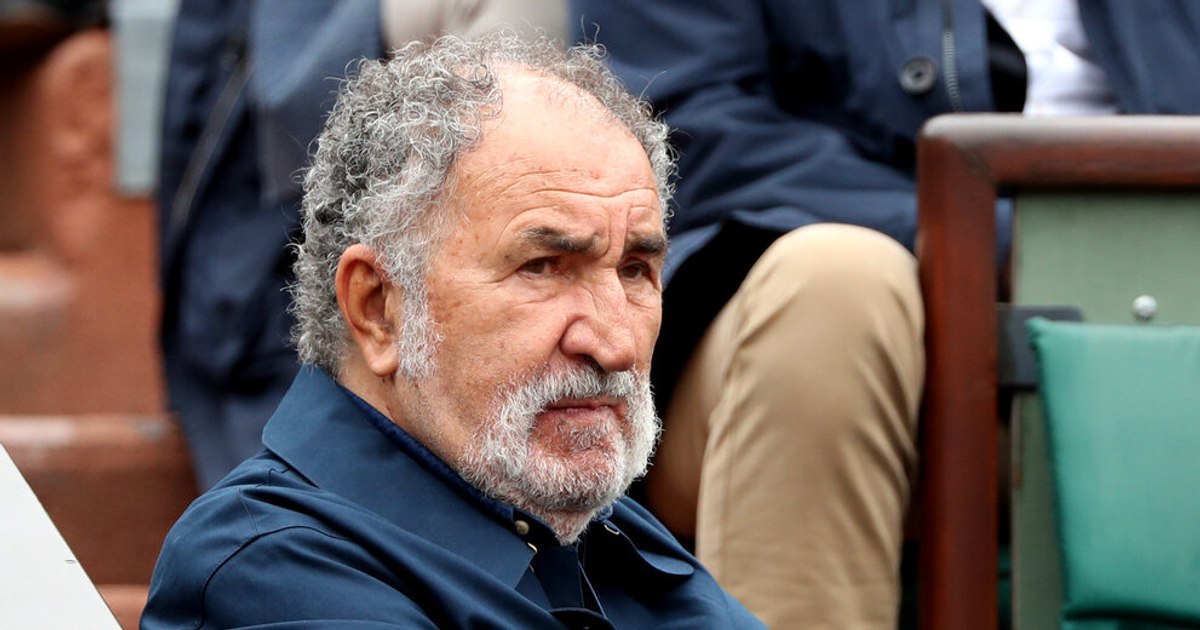
Țiriac’s past success in selling high-profile tennis assets—like the Madrid Open, which he sold for €400 million in 2021 despite his daughter’s objections—hasn’t translated to stability in Bucharest. The ATP’s ultimatum reflects a broader industry trend: tournaments are judged not just by their prestige, but by their ability to deliver a professional experience. With other ATP 250 events in Europe offering state-of-the-art venues, Bucharest’s outdated setup has become a liability.
The Financial and Symbolic Cost of Failure
For Țiriac, the loss of the Bucharest tournament would be more than a logistical setback—it would be a symbolic blow. Tennis has been a lifelong passion, and the event he co-founded with Ilie Năstase in the 1990s was meant to put Romania on the global map. But the financial reality is equally stark. The €100 million stadium project is a gamble, one that hinges on the ATP extending its deadline. If the organization pulls the license in 2027, Țiriac’s investment could become a white elephant.
The timing is brutal. Țiriac’s empire has faced other challenges recently, including the sale of the Madrid Open—a move his daughter opposed as “selling our heritage.” Now, he’s forced to choose between pouring more of his own money into a struggling asset or walking away entirely. “I’ve been forgiven twice,” he admitted. “But this time, there’s no more room for excuses.”
What Happens Next?
The next 12 months will be critical. Țiriac must deliver on his Otopeni plan in 2027 while pushing for the 2028 stadium to meet ATP standards. If he succeeds, the tournament could regain its footing. If he fails, Bucharest risks losing its only ATP event—leaving Romanian tennis without a major drawcard.
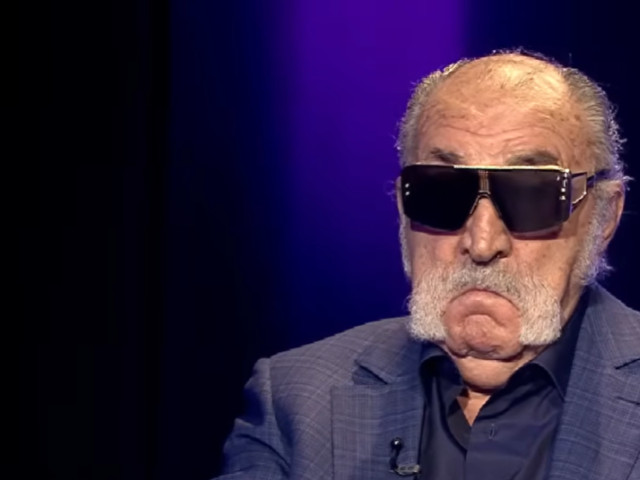
For the ATP, this isn’t just about Bucharest. It’s about setting a precedent: if even a tournament with Țiriac’s reputation can’t meet basic requirements, what message does that send to other organizers? The stakes are high not just for Țiriac, but for the future of tennis in Romania.
One thing is certain: the ATP won’t be iertat—forgiven—again.
<!– /wp:paragraph The ATP has now given Romania until the end of July to finalize renovations or risk losing the tournament permanently.