

From June 1 to June 8, 2026, the French Diabetes Federation is hosting the 15th National Diabetes Prevention Week. Across France, local organizations and health professionals are providing screenings, educational workshops, and risk assessments to combat the rising prevalence of type 2 diabetes, which affects over 4 million people nationwide.
A Nationwide Mobilization for Early Detection
The campaign, which officially runs through the first week of June, addresses a significant public health challenge. With approximately 92% of the four million French citizens living with diabetes diagnosed with type 2, the goal is to shift the focus toward early identification. According to the Radio VINCI Autoroutes report, projections suggest an additional 500,000 cases could emerge by next year if the trend remains unchecked, making early intervention critical to preventing severe complications such as cardiovascular, renal, and ocular damage.

In the Gard department alone, the scale of the issue is stark. Local advocates emphasize that the disease often progresses silently for years before a formal diagnosis. The effort to curb these silent cases is a primary driver for the week-long mobilization, which seeks to decentralize screening from hospitals to community-based settings.
“We count about 50,000 diabetics in the Gard. And we discover 400 new diabetics every day in France.” Rosine Portéro, President of the Association of Diabetics of the Gard (AFD 30), via Midi Libre
Targeting Risk Factors and Heredity
While lifestyle factors such as sedentary behavior, poor nutrition, and obesity are well-known triggers for type 2 diabetes, this year’s campaign places a renewed emphasis on genetics. Le Moniteur des pharmacies notes that if one parent has type 2 diabetes, the risk for their offspring is approximately 30%, a figure that climbs to over 50% if both parents are affected. Understanding these hereditary markers is increasingly viewed as a vital component in determining the timing of initial screenings for asymptomatic individuals.

Despite these hereditary predispositions, health experts stress that the disease is not inevitable. The French Diabetes Federation (FFD) encourages the public to use the Findrisc (Finnish Diabetes Risk Score) questionnaire, an eight-question tool designed to identify individuals at high risk who may not yet show symptoms. Clinical utility of this tool lies in its ability to flag potential metabolic dysfunction before the onset of symptomatic hyperglycemia.
“It can happen that 10 years pass without the patient knowing they are sick and living with too much sugar in the blood without knowing it.” AFD 30, via Midi Libre
Expanding Access to Screening
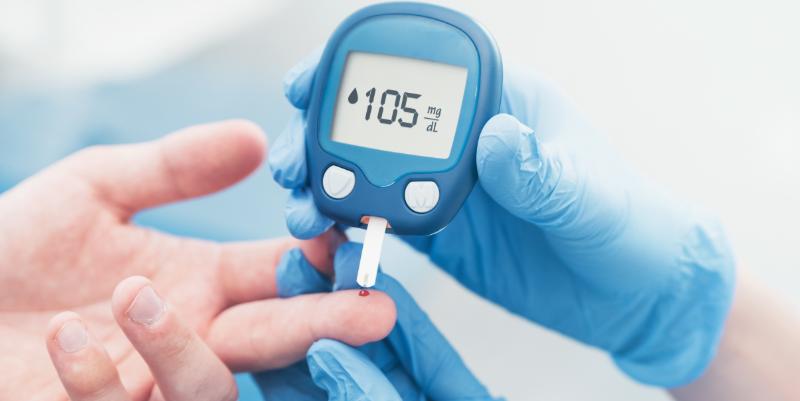
A major development in this year’s initiative is the integration of pharmacy-based testing. While medical blood tests remain the gold standard, some pharmacies are now equipped to perform capillary blood tests using a glucometer. As reported by Radio VINCI Autoroutes, if a patient’s glucose levels exceed the threshold of vigilance during these pharmacy screenings, they are referred to their primary care physician for a formal evaluation. This mechanism serves as a frontline triage, aiming to reduce the diagnostic gap for patients who rarely interact with the formal healthcare system.
This service is currently being piloted in select locations, though it is not yet covered by the French national health insurance, the Assurance Maladie. However, a broader rollout is on the horizon. The National Health Insurance Fund is reportedly developing a formalized support system that is scheduled to be deployed nationally by January 1, 2027, at which point the testing is expected to become free for all patients. This regulatory shift aims to standardize the quality of community-based screenings and ensure that patient data flows efficiently into the primary care infrastructure.
Local Initiatives and Ongoing Support
Across the country, municipalities are hosting specialized events to engage the public. In Limoges, the city is coordinating with local health associations, including the Association Française des Diabétiques 87, to offer public screenings on the Place de la Motte on June 3. Meanwhile, the Ehpad Saint-Joseph in Sarralbe is working with the Professional Territorial Health Community (CPTS) Moselle-Sud to provide workshops on nutrition and physical activity. These community-level interventions are designed to bridge the gap between clinical advice and daily dietary management, emphasizing that nutrition and physical movement are essential pillars of long-term diabetes management.
These efforts are part of a broader strategy to provide sustained guidance to patients. Programs such as “Mieux vivre avec mon diabète” (Living better with my diabetes) are being showcased at various information sessions throughout the week. For those unable to attend in-person, the FFD has launched a series of digital resources, including podcasts and video testimonials, available through their dedicated portal, contrelediabete.federationdesdiabetiques.org. The federation maintains that these resources are meant to supplement, not replace, structured clinical follow-ups with medical professionals who can tailor treatment plans to individual health profiles.
If you are concerned about your personal risk profile, consult your healthcare provider to discuss appropriate screening methods and lifestyle modifications.
