Israeli forces continued military operations in southern Lebanon on Monday, June 15, 2026, despite a memorandum of understanding signed between the United States and Iran the previous day. While a fragile calm emerged in some areas, the IDF reported ongoing skirmishes with Hezbollah, including rocket fire and drone attacks, as Prime Minister Benjamin Netanyahu vowed to maintain a security presence.
Military Activity and IDF Operations in Southern Lebanon
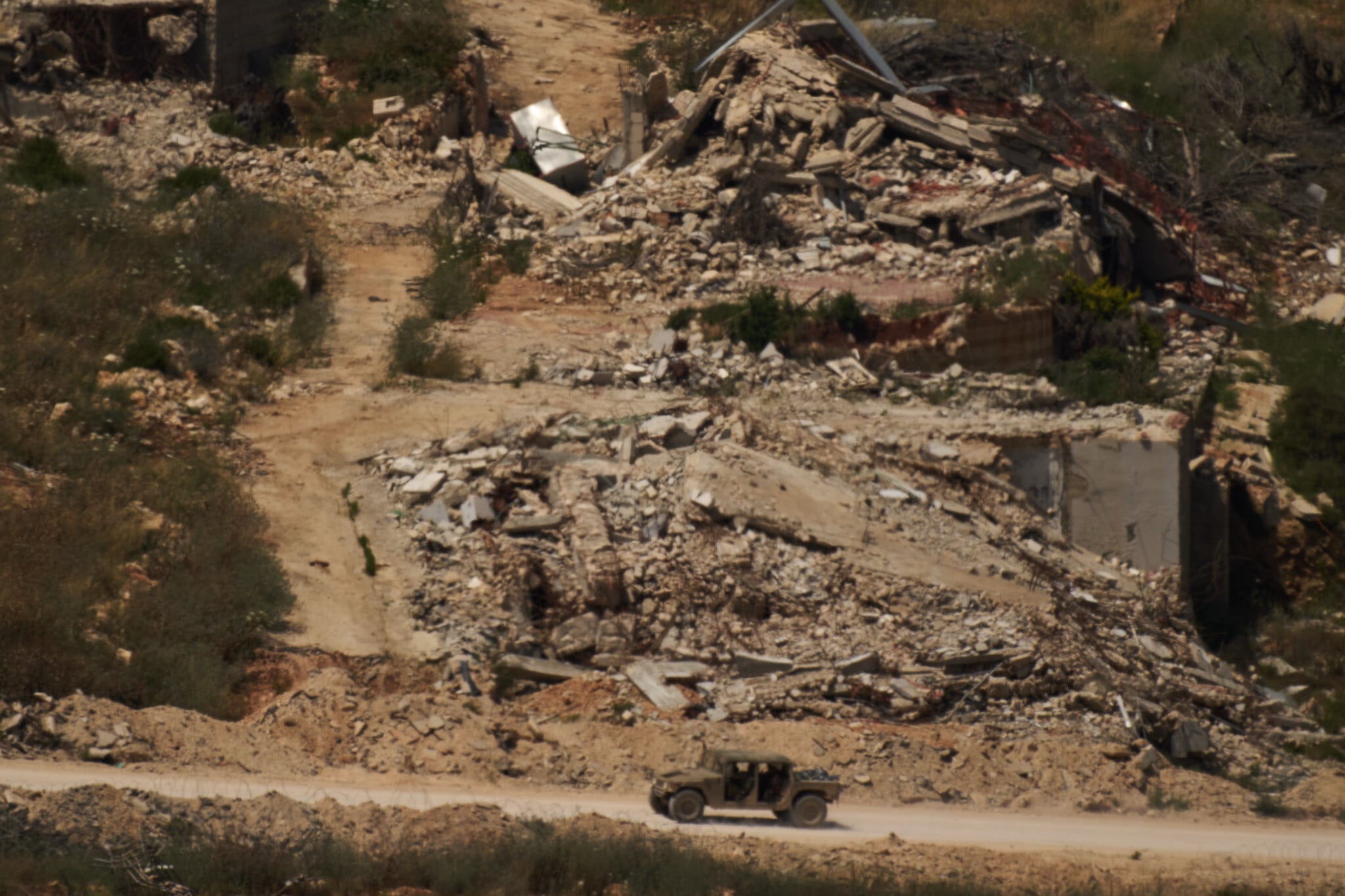
Combat operations in southern Lebanon persisted on Monday, June 15, 2026, even as international efforts sought to stabilize the region. The Israel Defense Forces reported that Hezbollah militants engaged troops throughout the day, firing rockets, mortars, and anti-tank missiles at Israeli positions, according to The Times of Israel.
Military officials confirmed that air defenses intercepted incoming rockets, and no injuries were reported among Israeli forces. In a series of engagements near Kfar Tebnit, the IDF stated that soldiers identified “several terrorists traveling in vehicles and approaching IDF soldiers, in a manner that posed an immediate threat to them.” The Israeli Air Force responded by striking “all of the threats in a precise manner.”
Hezbollah’s Counter-Claims and Regional Clashes
Photo: L'Orient Today
Hezbollah claimed responsibility for blocking an Israeli advance involving an excavator and two Merkava tanks in the vicinity of Kfar Tebnit, asserting that its fighters used “using rockets and drones” to stall the movement. The group later stated it targeted an armored reinforcement of five Merkava tanks and four vehicles with artillery and rocket barrages.
While the IDF maintained its posture, local reporting from southern Lebanon indicated a cautious atmosphere. Residents began returning to some villages to inspect property damage, though L’Orient Today noted that artillery fire disrupted these returns in areas such as Nabatieh and Bint Jbeil. The Israeli military reportedly utilized stun grenades in Haris as a warning to civilians attempting to venture into restricted zones.
Diplomatic Tensions and the US-Iran MOU
IDF Strikes Moving Hezbollah Terror Car Hours As Lebanon Militants Fired Rockets Despite Trump Order
The military activity follows the signing of a memorandum of understanding (MOU) between the U.S. and Iran. While U.S. President Donald Trump, speaking at the G7 summit in Versailles, expressed a desire to “straighten out the Lebanon thing,” a senior U.S. official clarified that the MOU is not conditioned on an immediate Israeli withdrawal from Lebanon.
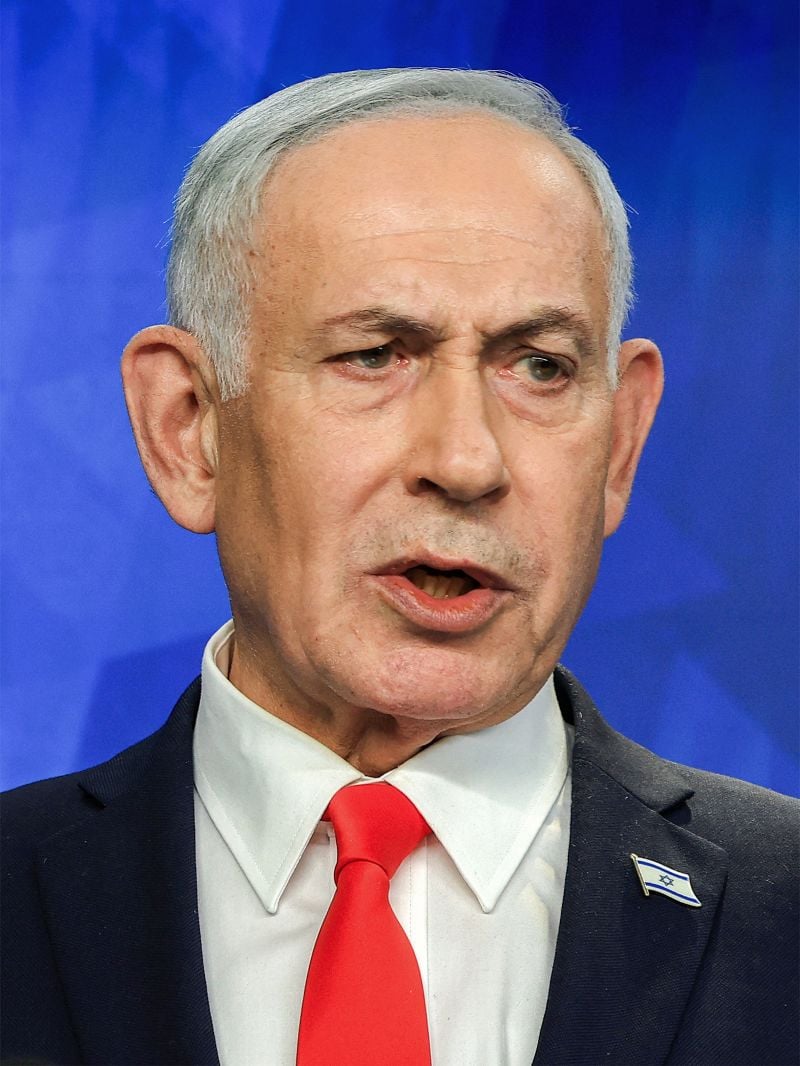
Internal friction regarding the strategy appears significant. According to reporting from The Times of Israel, Prime Minister Benjamin Netanyahu rejected a request from U.S. Vice President JD Vance to scale back the IDF’s footprint, with Netanyahu stating that troops would remain in the buffer zone “for as long as necessary.”
Domestic Reaction to the Agreement
Photo: Haaretz
The U.S.-Iran deal prompted polarized responses from Jewish organizations in the United States. J Street issued a statement welcoming the cease-fire, noting the potential for humanitarian relief.
“While the details of the agreement are still unclear, bringing this devastating conflict to a close will save lives, reduce the risk of further regional escalation and ease the severe economic harm this war has inflicted on people across the world.”J Street, via Haaretz
Conversely, other organizations expressed deep skepticism regarding the long-term efficacy of the deal. Halie Soifer, CEO of the Jewish Democratic Council of America, described the agreement as “lacking details” and characterized it as a potential admission of defeat. Hadar Susskind, President and CEO of New Jewish Narrative, argued that the conflict served as a final proof that military force alone cannot provide regional stability.
“For years we have argued that military force alone cannot deliver security for Israel or stability for the region. This war proved that point at enormous cost. It is past time for the leaders of Israel and the United States to apply that lesson.”Hadar Susskind, President and CEO of New Jewish Narrative, via Haaretz
As of June 16, 2026, the situation on the ground remains volatile. While the U.S.-backed MOU seeks to establish a broader regional ceasefire, the ongoing tactical engagements in southern Lebanon suggest that the transition from active conflict to a stable buffer zone remains fraught with operational challenges.
ail: emily.johnson@headlinez.news
Bio:
Emily Johnson serves as News Editor at Headlinez.News, overseeing the publication’s coverage of national and breaking stories. She has worked in journalism for more than 12 years, building a reputation for precision, credibility, and rapid-response reporting. Emily’s editorial philosophy focuses on clear, fact-based writing that helps readers understand the full context behind the day’s most important events. Her expertise bridges traditional reporting and modern digital news strategies.
Expertise: Breaking news, political reporting, fact-checking, newsroom coordination, public affairs.
Location: Washington, D.C., USA