
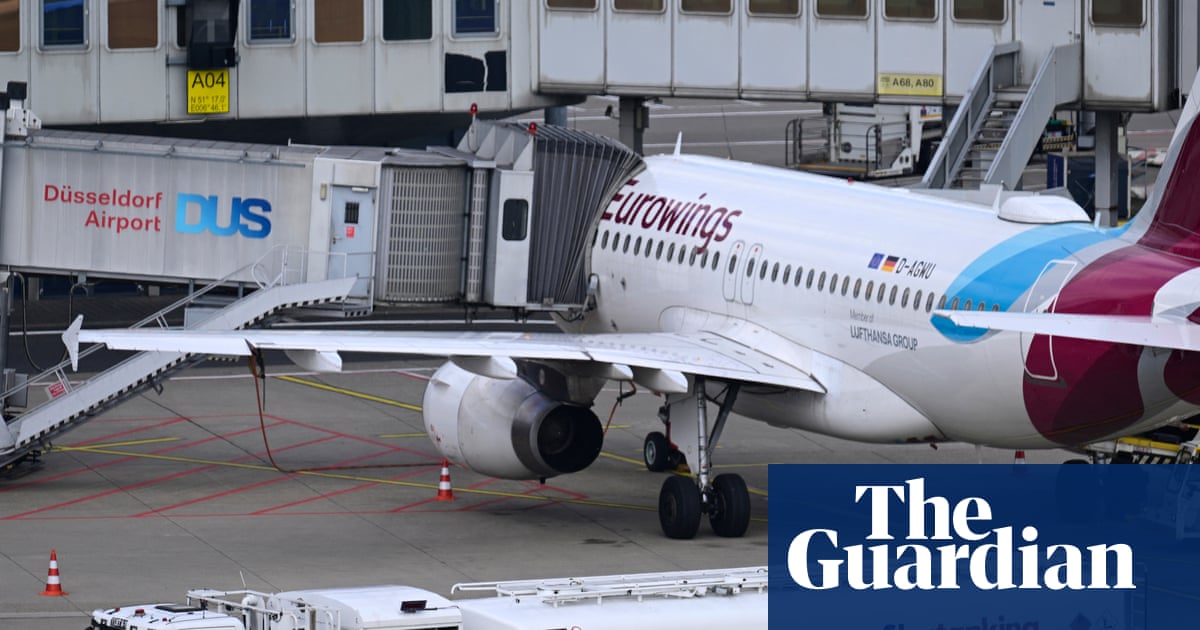
As the global airline industry braces for an unprecedented $100 billion jet fuel bill in 2026, fares are “inevitably” rising to offset soaring costs, according to the International Air Transport Association (IATA). The crisis, driven by the Mideast war and blocked oil supplies, has forced carriers to confront 70% higher fuel prices, with profits expected to halve to $23 billion this year. “High oil prices will inevitably mean higher ticket prices,” said Willie Walsh, IATA’s director general, as airlines balance cost pressures against weakening demand.
Jet Fuel Crisis: The $100 Billion Toll
The war in the Mideast has triggered a 70% surge in jet fuel prices, pushing the global airline industry into a $100 billion financial hole this year. IATA’s analysis reveals that average fuel prices have climbed to $142 per barrel, a stark contrast to the $130 levels seen in 2011-2013, when the industry remained profitable. “In 2011, 2012, 2013, the jet fuel prices were over $130 a barrel, and the industry was profitable,” Walsh noted, highlighting the current precariousness. The strain is particularly acute for Gulf carriers, which faced flight cuts during the conflict, while European airlines grapple with the EU’s new entry-exit system (EES), which could delay travelers by up to 90 seconds per passenger.
The financial fallout is severe. IATA projects net profits will drop from $45 billion in 2025 to $23 billion in 2026, with margins shrinking to 2.0% from 4.2%. Supply chain failures, including a backlog of 18,000 aircraft orders and an average fleet age of 15.2 years, have added $11 billion in costs in 2025 alone. “Midsize carriers with limited cash reserves are the most exposed,” said John Grant of OAG Aviation, warning that even low-cost airlines are vulnerable.
Fare Increases: Long-Haul vs. Short-Haul
The burden of higher fares is not evenly distributed. Long-haul and business travelers are expected to bear the brunt of price hikes, while short-haul holiday flights may see delays in adjustments. Sean Doyle of British Airways emphasized, “If fuel goes up, fares have to go up,” but acknowledged that price-sensitive markets might resist increases longer. “A brand like BA, which has got a lot of long haul, a lot of corporate, a lot of premium; we’d expect maybe to have more pass-through of prices than maybe a carrier who’s solely competing for leisure short haul,” he said.
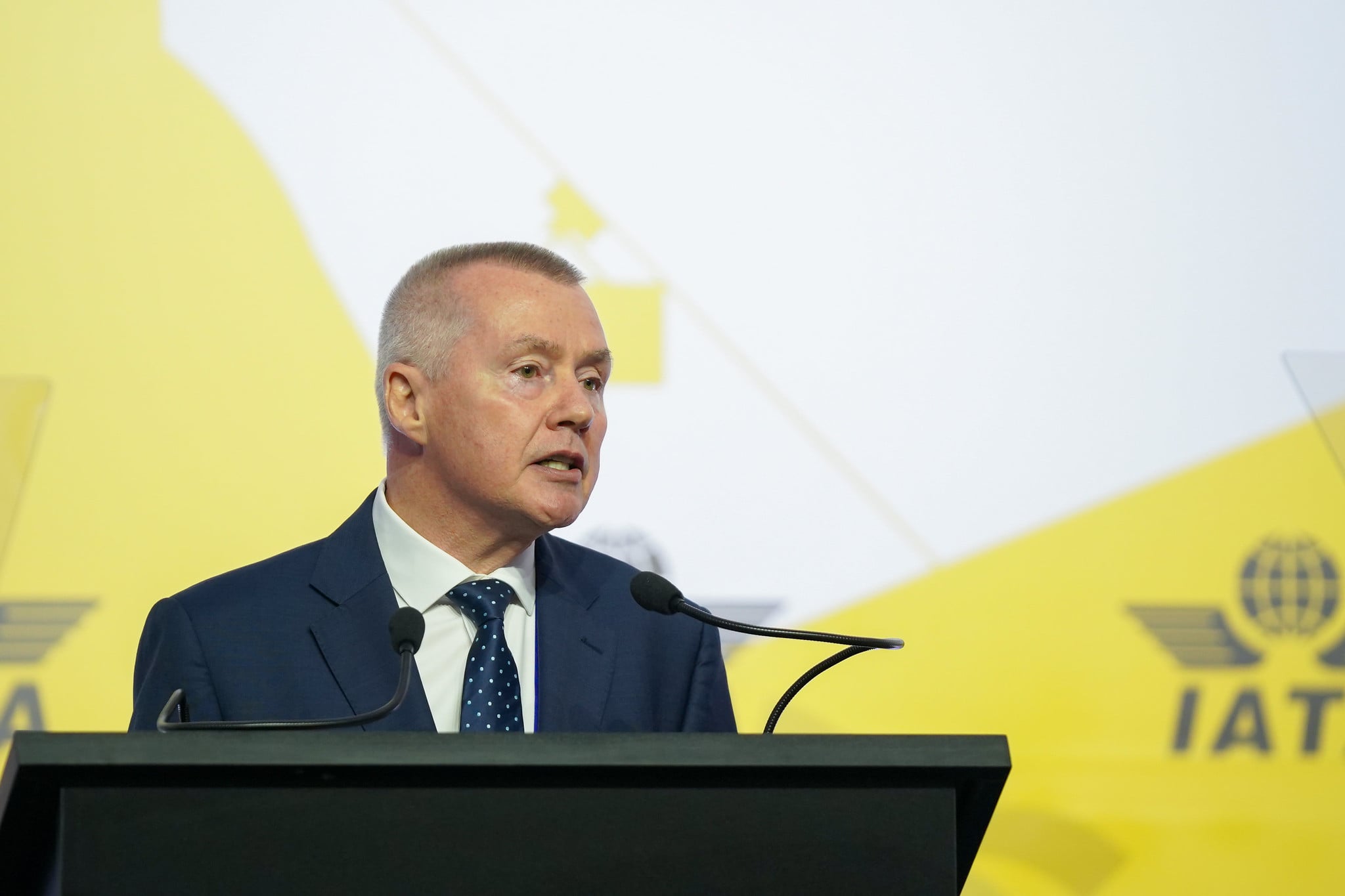
Passenger demand has already begun to wane. IATA reported a 3.4% drop in April compared to the previous year, the first decline since the pandemic. “Forward schedule data is showing a reduced offering in the coming months, indicating that airlines are balancing high fuel costs and weaker demand,” Walsh explained. However, 86% of travelers polled by IATA expect fares to track oil prices, with nearly half planning to spend more on travel this year.
The EU’s EES System: A New Bottleneck
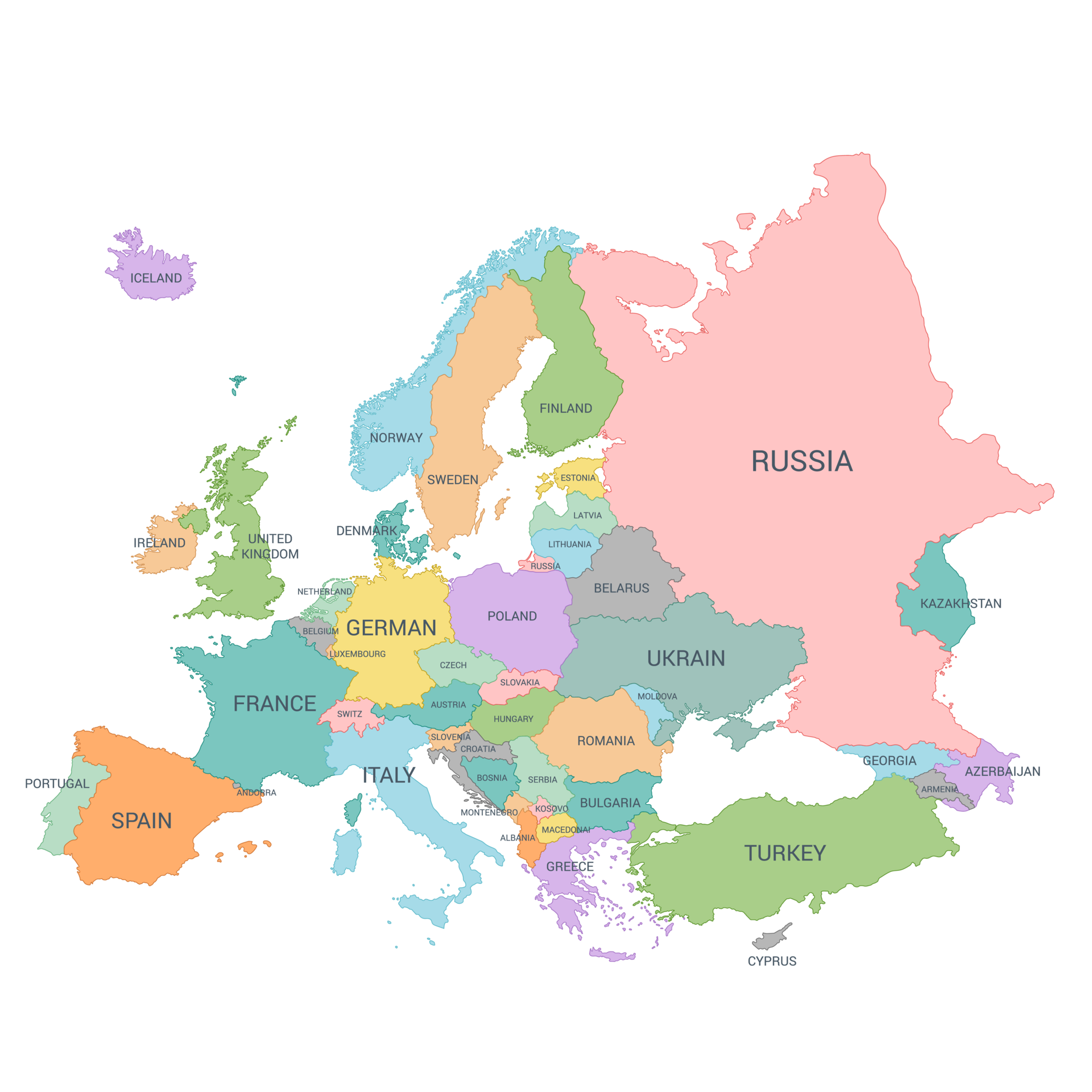
The EU’s new entry-exit system (EES), set to fully roll out by 9 September, has sparked concerns over border delays. Rafael Schvartsman, IATA’s vice-president for Europe, called the system “unreliable,” warning that processing times could stretch to 90 seconds per passenger. “Normally, we would process a passenger in 20 to 25 seconds,” he said, adding that long queues could deter travelers. The system, which mandates biometric checks for non-EU citizens, has prompted calls for flexibility to avoid a “crisis” during the peak summer season.
Meanwhile, European travelers are shifting focus. IATA data shows a surge in intra-European flights, as fewer passengers venture to Gulf hubs. “The slowdown is no longer isolated to a specific region, and is now visible in other regions such as Western Europe,” said analysts at Cirium, underscoring the broader economic impact of fuel costs and geopolitical instability.
Supply Chain Woes and Policy Demands
Airlines are also battling a crippled aerospace supply chain, with 5,000 fewer fuel-efficient aircraft delivered than planned. This has led to higher maintenance costs and lease rates, further straining profits. “Supply chain failures cost airlines at least $11 billion in 2025,” IATA noted, warning that higher fuel prices will exacerbate the problem. The organization has pressured engine manufacturers to improve parts availability, citing “double-digit” profit increases despite customer dissatisfaction.
Walsh urged governments to act, highlighting three policy priorities: “Air connectivity underpins growth and prosperity. So, we’re presenting a winning proposition for governments.” IATA is expanding its Brussels office to advocate for “better policy frameworks,” emphasizing the need for stability in a sector “challenging and unpredictable.”
What Comes Next?
The coming months will test the resilience of airlines and travelers alike. With fuel prices expected to remain elevated, carriers face a delicate balancing act between maintaining profitability and avoiding a passenger exodus. “The big unknown is how long travellers and shippers can tolerate the higher costs of connectivity,” Walsh said, echoing concerns about the sustainability of the current model.
For now, the industry clings to optimism. Walsh pointed to a 2% traffic growth forecast, noting that “for the rest of the world it remains a pretty positive environment.” Yet the path forward is fraught with uncertainty, as airlines navigate geopolitical tensions, supply chain delays, and the relentless rise of jet fuel prices. “This is a challenging and unpredictable time,” he admitted, “but we’re still profitable and forecasting growth.”
The Guardian | <a Despite these pressures, analysts warn that sustained profitability hinges on whether carriers can balance cost controls with demand resilience in an era of escalating operational risks.