
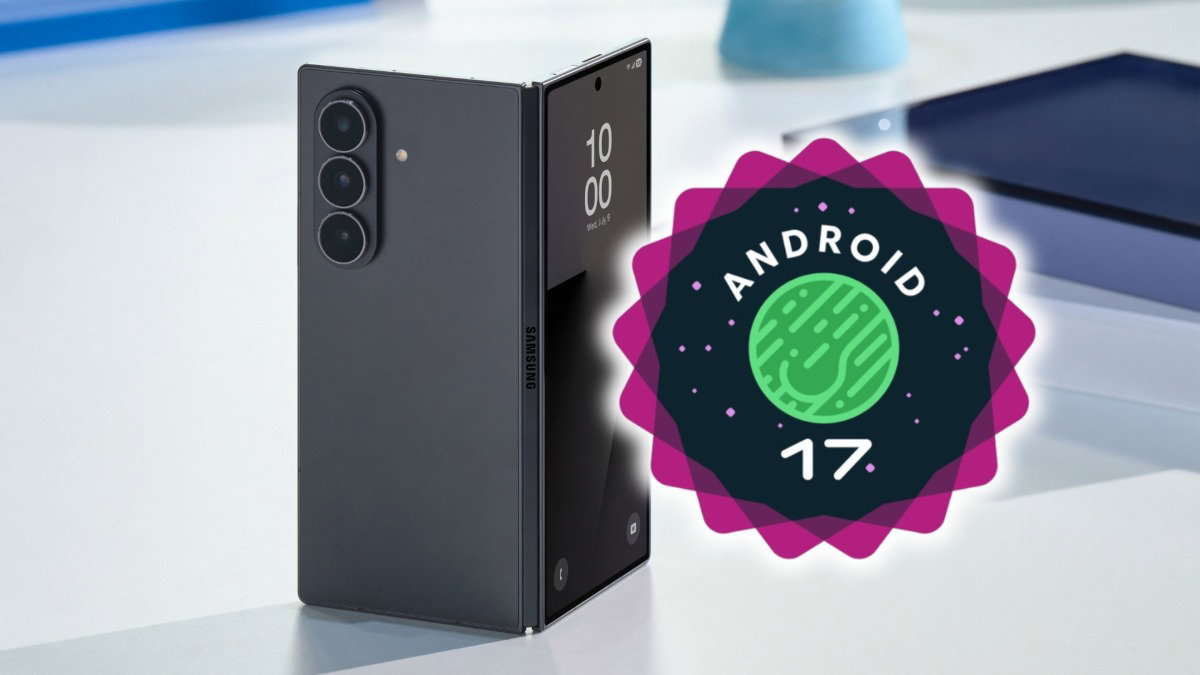
Google Redefines Mobile OS: Android 17 Shifts Toward an ‘Intelligence System’
Google is fundamentally reimagining the role of its mobile software, transitioning Android from a traditional operating system into what the company now describes as an “intelligence system.” This strategic pivot, unveiled during The Android Show: I/O Edition, centers on the deep integration of Gemini to move beyond manual user inputs toward a more autonomous, agentic AI experience.
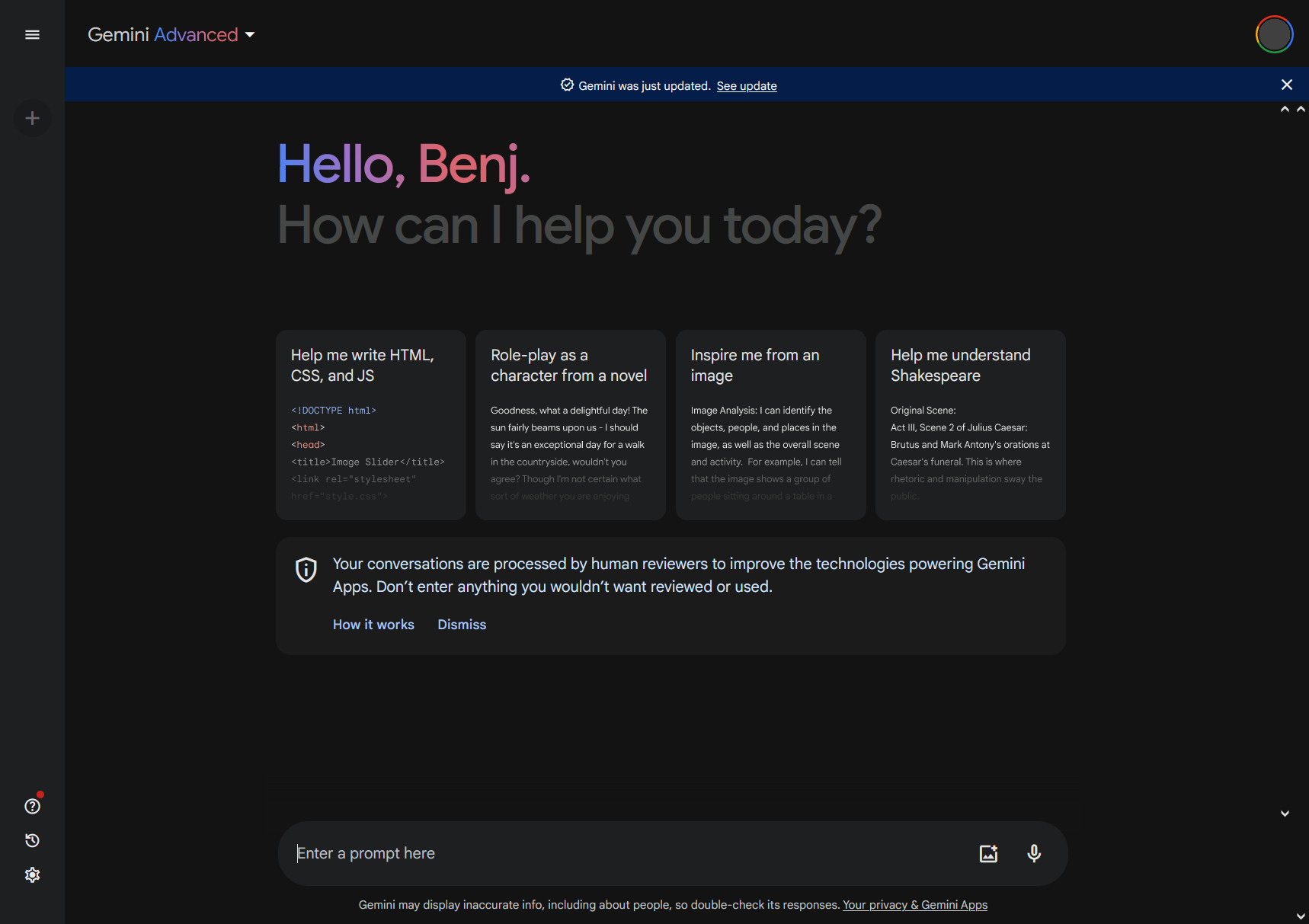
The core of Android 17 is the deployment of Gemini-powered agents designed to handle complex tasks proactively. Rather than requiring a series of manual commands, the system is evolving to manage workflows on behalf of the user, often without direct prompts. This shift toward agentic AI signals a broader industry trend where the OS acts as an invisible coordinator rather than a mere interface for apps.
Among the newly announced capabilities are sophisticated tools for event and party planning, alongside a revamped speech-to-text feature that aims to set a new benchmark for accuracy and speed on mobile devices. For creators, the update introduces an optimized experience for Instagram and advanced editing capabilities, including integration with Adobe Premiere, further blurring the line between mobile and professional production tools.
This evolution extends beyond the smartphone. Google is working to bridge the gap between mobile and desktop environments by introducing a new line of AI-focused laptops, referred to as Googlebooks, with Gemini serving as the central intelligence across the ecosystem. Major updates to Android Auto were announced, ensuring that the “intelligence system” extends into the automotive experience.
The rollout of these AI enhancements is expected to span a variety of hardware. While Google’s own Pixel line is a natural fit, early reports suggest that Samsung smartphones are positioned to be among the first to debut Gemini Intelligence. Interestingly, current indications suggest that the Google Pixel 11 may not be the first device to showcase these specific capabilities, highlighting a more open distribution strategy for Google’s AI tools.
By positioning 2026 as one of the most significant years in the platform’s history, Google is attempting to set the pace for the broader industry. This move places significant pressure on competitors like Apple and Microsoft as the race to integrate generative AI into the core of the user experience intensifies.
