
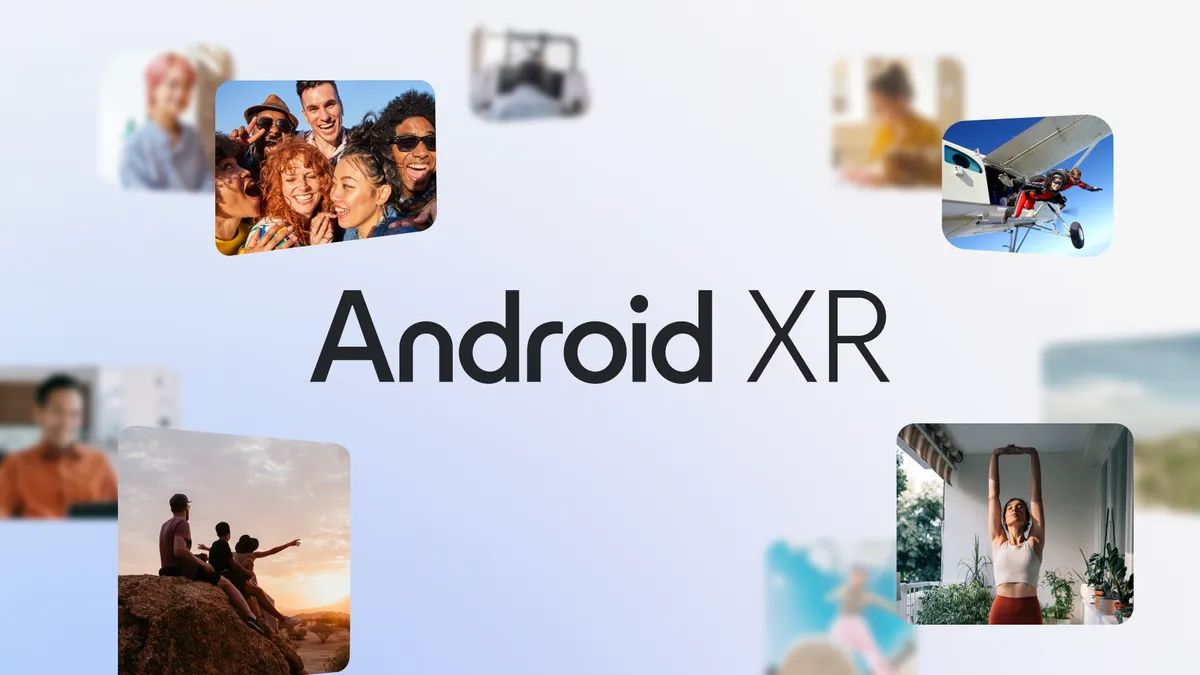
Google Unveils Android XR Platform, Powered by Gemini AI
Google today announced Android XR, a new platform designed to power the next generation of extended reality (XR) devices, blending virtual, augmented, and mixed reality experiences with the intelligence of its Gemini AI assistant.
Android XR is built to operate across a wide range of devices, from immersive headsets like the upcoming Samsung Galaxy XR to lightweight smart glasses, offering a consistent experience regardless of form factor. The platform utilizes outward-facing cameras for spatial mapping and allows users to interact with digital elements through hand gestures and spatial audio, effectively creating a responsive desktop environment around the user. This development signals a shift towards more integrated and accessible XR technology for consumers and developers alike.
A defining feature of Android XR is its deep integration with Gemini, enabling the AI to understand and respond to the user’s surroundings in real-time. Through “Gemini Live,” the assistant can process visual input from the device’s cameras, offering context-aware assistance such as identifying objects, providing recipes based on visible ingredients, or offering gaming advice. Google emphasizes built-in privacy controls, allowing users to pause visual input or switch to voice-only mode. For more on the potential of AI, explore resources from the National Institute of Standards and Technology.
Developed in collaboration with Samsung and Qualcomm, Android XR leverages familiar developer tools like Android Studio, Unity, and OpenXR, and reimagines existing Google apps – including YouTube, Maps, Photos, and Chrome – for XR environments. The platform’s open foundation aims to foster a diverse ecosystem of XR applications and experiences, as detailed in our recent coverage of Google’s AI initiatives. Google officials stated that the first Android XR-based headsets and smart glasses are expected to launch in 2025.
Google’s new Android XR platform is a major leap forward in how we experience digital worlds. Android XR isn’t just about immersion; it’s about connection. The “XR” stands for “extended reality,” a fusion of VR and AR that blends together the physical and digital into one seamless ecosystem.
Android XR’s defining feature is the way in which it’s designed. Rather than just having select AI capabilities, it’s built entirely around Gemini, Google’s AI assistant.
Whether it’s powering Samsung’s upcoming headset, the Galaxy XR, or other iterations of next-gen smart eyewear, Android XR adds a new layer of intelligence to the space.
It’s the beginning of a more flexible, context-aware era of reality itself.
What is Android XR?
At its core, Android XR is Google’s next big platform evolution: an operating system designed specifically with extended reality in mind.
“XR” is a broad term that covers virtual reality (VR), augmented reality (AR), and mixed reality (MR), combining all three into one seamless, adaptable ecosystem.
Just as Android powers phones, tablets, TVs, and cars, Android XR extends that flexibility to immersive devices, from full-on headsets to lightweight smart glasses.
Developers can use familiar tools like Android Studio, Unity, and OpenXR to build apps and experiences on Android XR. Meanwhile, Google is in the process of reimagining its app ecosystem for XR, with new versions of YouTube, Maps, Photos, and Chrome.
Built jointly in collaboration with Samsung and Qualcomm, Android XR is more than just a new interface for headsets. It’s a foundation for the next era of connected, AI-enhanced computing.
One platform, many realities
Android XR’s distinctive feature is its ability to adapt across devices. It isn’t tied to any single form factor. Instead, it’s built to power everything from immersive headsets like Samsung’s Galaxy XR to the best smart glasses made for everyday use.
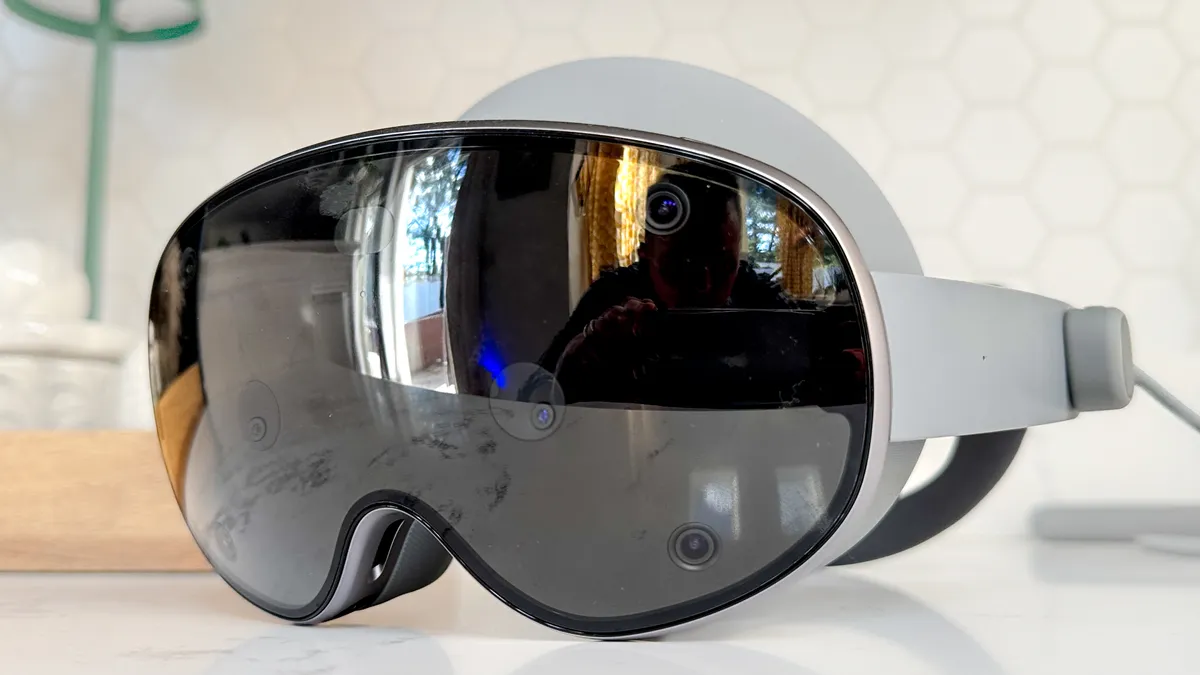
On a headset, Android XR delivers a full spatial computing experience. Outward-facing cameras map your surroundings while you move digital windows, layer apps, or summon immersive videos using hand gestures and spatial audio. It’s a desktop that exists all around you, and it’s fluid, responsive, and powered by Gemini.
Slip on a pair of smart glasses, and the experience feels similar, although a lot more subtle. Android XR offers context-aware overlays. It gives you navigation arrows in Google Maps, real-time captions for your conversations, and answers to your questions via Gemini Live.
Rather than replacing the real world, Android XR’s design philosophy is about enhancing reality instead of escaping it.
Gemini inside: AI that sees what you see
The real magic behind Android XR’s intelligence is Gemini, Google’s versatile AI that the entire platform was built around. Unlike older systems that treated AI as an afterthought, Android XR has Gemini woven into its core, enabling your headset or smart glasses to truly understand the world around you.
Through Gemini Live, the assistant doesn’t just respond to text or voice. It can actually see what you see through your headset’s pass-through cameras.
Our Global Editor in Chief, Mark Spoonauer, recently had a chance to try out the Samsung Galaxy XR. With the help of Gemini Live, he identified plants, got cocktail recipes based on what was on a shelf, and even received gaming advice for Diablo Immortal, all in real-time.
This ability to “see” what you see turns Android XR into a lot more than just an operating system. It’s an intelligent, context-aware partner that responds to your surroundings. And thanks to the built-in privacy controls, you can pause visual input or switch to voice-only mode whenever you choose.
Why XR is the next stage of VR’s evolution
Virtual reality has always been about immersion and escapism. Extended reality (XR) takes this further by bringing the digital and physical worlds together. Rather than isolating users, XR overlays useful, adaptive information onto real environments, powered by AI and context awareness.
In keeping with Android’s wider ethos, XR is built on an open, developer-friendly foundation. Because of this, it supports a wide range of devices and experiences, from fully immersive gaming to productivity tools that “live” within your real surroundings.
With Gemini built into its core, XR isn’t just simulating spaces; it’s understanding them. This makes it not only a whole lot more flexible than traditional VR, but also better equipped to shape the next generation of work, creativity, and entertainment.
Building the future of reality
Android XR marks the beginning of a new era for immersive technology: a unified platform built by Google and Samsung to merge the digital with the physical.
From productivity to play, XR is built to adapt to every context, powered by Gemini’s real-time intelligence and Android’s openness across devices.
As the first XR-based headsets and smart glasses launch in 2025, we’re seeing more than just the launch of a new gadget. We’re witnessing the beginnings of an AI-driven ecosystem where reality itself is becoming more interactive, intuitive, and endlessly expandable.
