
EU Sanctions Package Stalled as Austria and Slovakia Raise Concerns
The European Union’s proposed 19th round of sanctions against Russia is facing delays due to objections from Austria and Slovakia, despite a surprising lack of resistance from Hungary.
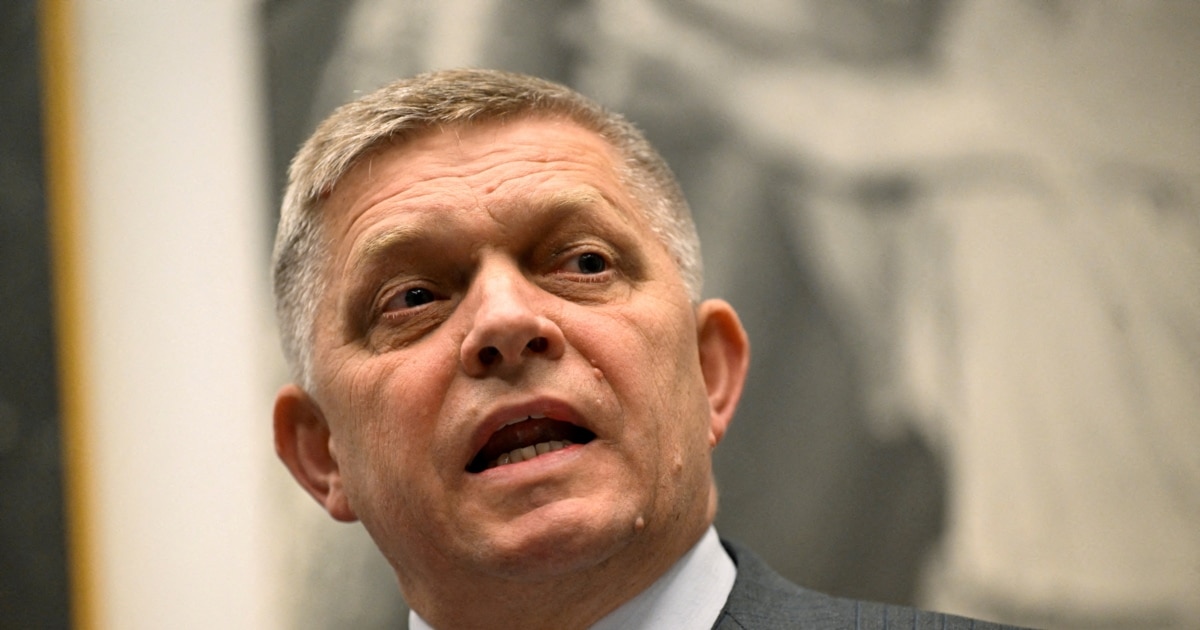
While the European Commission presented the package in mid-September, including a plan to phase out Russian liquefied natural gas (LNG) imports by 2027 and limit Russian diplomat movement, Austria and Slovakia are holding firm on their reservations. Bratislava’s concerns center on EU energy policy and the future of its automotive industry, while Vienna is seeking the unfreezing of previously agreed sanctions related to Raiffeisen Bank’s involvement in the Russian market. These delays highlight the ongoing challenges in maintaining a united front against Russia’s aggression in Ukraine.
Austria is specifically requesting authorization to release frozen assets linked to Russian oligarch Oleg Deripaska and his associates, totaling approximately 2.3 billion euros, following a ruling by a Russian court involving Austrian construction company Strabag. According to officials familiar with the matter, this request has drawn criticism from other EU member states, who fear it could set a precedent allowing Russian court rulings to influence EU sanctions policy. The situation underscores the complex interplay between national economic interests and the broader goals of collective security.
Alongside the sanctions impasse, NATO defense ministers are preparing to meet today to discuss increased defense spending, with a goal of reaching 5 percent of GDP by 2035, and continued aid to Ukraine. The meeting will also address the urgent need for improved European air defense systems, including the American Patriot, German IRIS-T, and Italian-French SAMP-T, in response to increased Russian drone activity. Officials expect further discussions on these issues at an EU summit on October 23.
EU officials anticipate that resolving the sanctions dispute will likely require concessions during the upcoming summit, as both Austria and Slovakia remain steadfast in their positions.
