
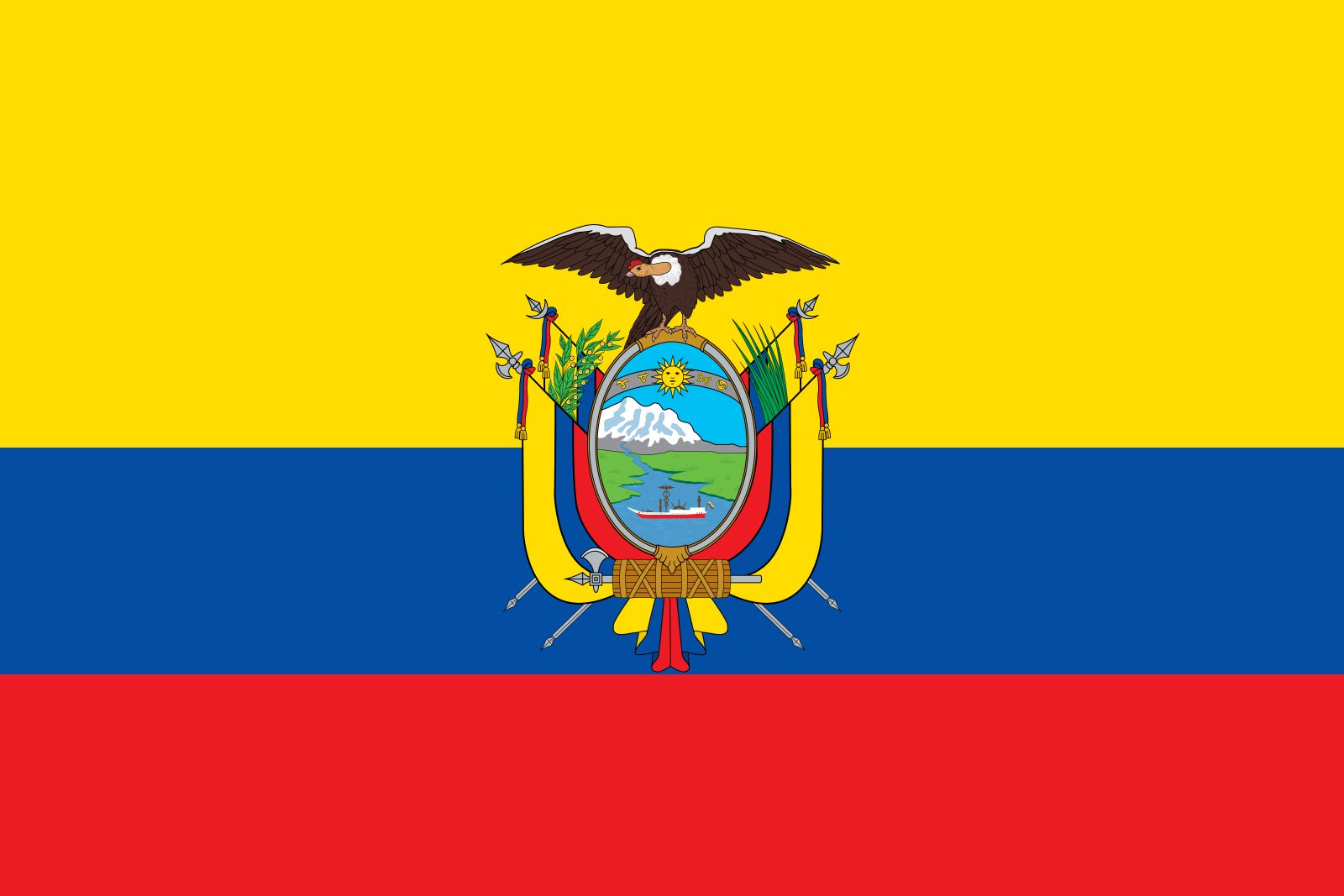
Ecuador’s government has threatened to impose tariffs on Colombian goods in retaliation for what it calls interference in its domestic affairs, escalating a diplomatic row that risks disrupting trade between the two neighbors. The move comes amid growing tensions over Colombia’s 2024 presidential election, where Ecuador accused Bogotá of meddling through economic pressure and political influence. With both countries sharing a 590-mile border and deep economic ties, the standoff threatens to destabilize regional stability.
Ecuador’s Retaliatory Tariffs: A Direct Challenge to Colombia
In a sharp escalation, Ecuador’s Ministry of Commerce announced plans to impose tariffs on Colombian imports, citing “unjustified economic measures” that it claims are designed to undermine Ecuador’s sovereignty. The decision, framed as a response to Colombia’s alleged interference in Ecuador’s political processes, marks the first major trade retaliation between the two nations since their 2023 free-trade agreement took effect. While neither government has publicly confirmed the specific tariff rates or targeted products, officials have signaled that agricultural and industrial goods—key exports from Colombia—could be affected.
According to Britannica’s geographic and economic profiles, Ecuador relies heavily on Colombian imports for goods ranging from electronics to automotive parts, with bilateral trade exceeding $3.2 billion annually. The tariffs, if implemented, would disrupt supply chains and increase costs for Ecuadorian businesses already grappling with inflation. Meanwhile, Colombia’s economy, which depends on Ecuador as its third-largest trading partner, could face retaliatory measures of its own.
The Election Meddling Accusation: What Ecuador Claims Colombia Did
Ecuador’s grievances center on Colombia’s alleged involvement in its 2024 presidential election, where Bogotá was accused of funding opposition candidates and lobbying for policies favorable to Colombian interests. While Colombia’s government has denied any interference, Ecuador’s Foreign Ministry released a statement in January 2024 detailing what it called “coordinated efforts” to sway voters. The ministry pointed to leaked diplomatic cables and financial records suggesting Colombian officials had met with Ecuadorian opposition figures to discuss trade concessions in exchange for political support.

One of the most contentious claims involves Colombia’s decision to suspend tariffs on Ecuadorian bananas—a move Ecuador’s government interprets as a politically motivated carrot. Bananas account for nearly 20% of Ecuador’s agricultural exports, and the tariff suspension, effective in late 2023, was framed by Bogotá as a goodwill gesture. But Ecuador’s officials argue it was a calculated step to reward pro-Colombian factions ahead of the election. “This was not a commercial decision; it was a political one,” an unnamed Ecuadorian diplomat told reporters, though the quote was not attributed to a specific source.
Colombia’s response has been measured but firm. President Gustavo Petro’s administration has dismissed the accusations as “baseless” and accused Ecuador of using the election as a pretext to justify protectionist policies. In a statement released through the Colombian Ministry of Foreign Affairs, officials emphasized that trade agreements were “non-negotiable” and that any tariffs would violate regional free-trade commitments. The tension reflects a broader pattern of South American nations using economic leverage in diplomatic disputes—a strategy that has grown more common since the rise of left-wing governments in the region.
Trade War Risks: Who Loses When Neighbors Turn on Each Other?
The potential trade war carries significant risks for both economies. Ecuador’s reliance on Colombian imports is critical: nearly 40% of its industrial inputs come from Colombia, while Colombian businesses depend on Ecuador for bananas, shrimp, and petroleum products. A prolonged dispute could trigger inflationary pressures, particularly in Ecuador, where food prices have already risen by 12% in the past year.

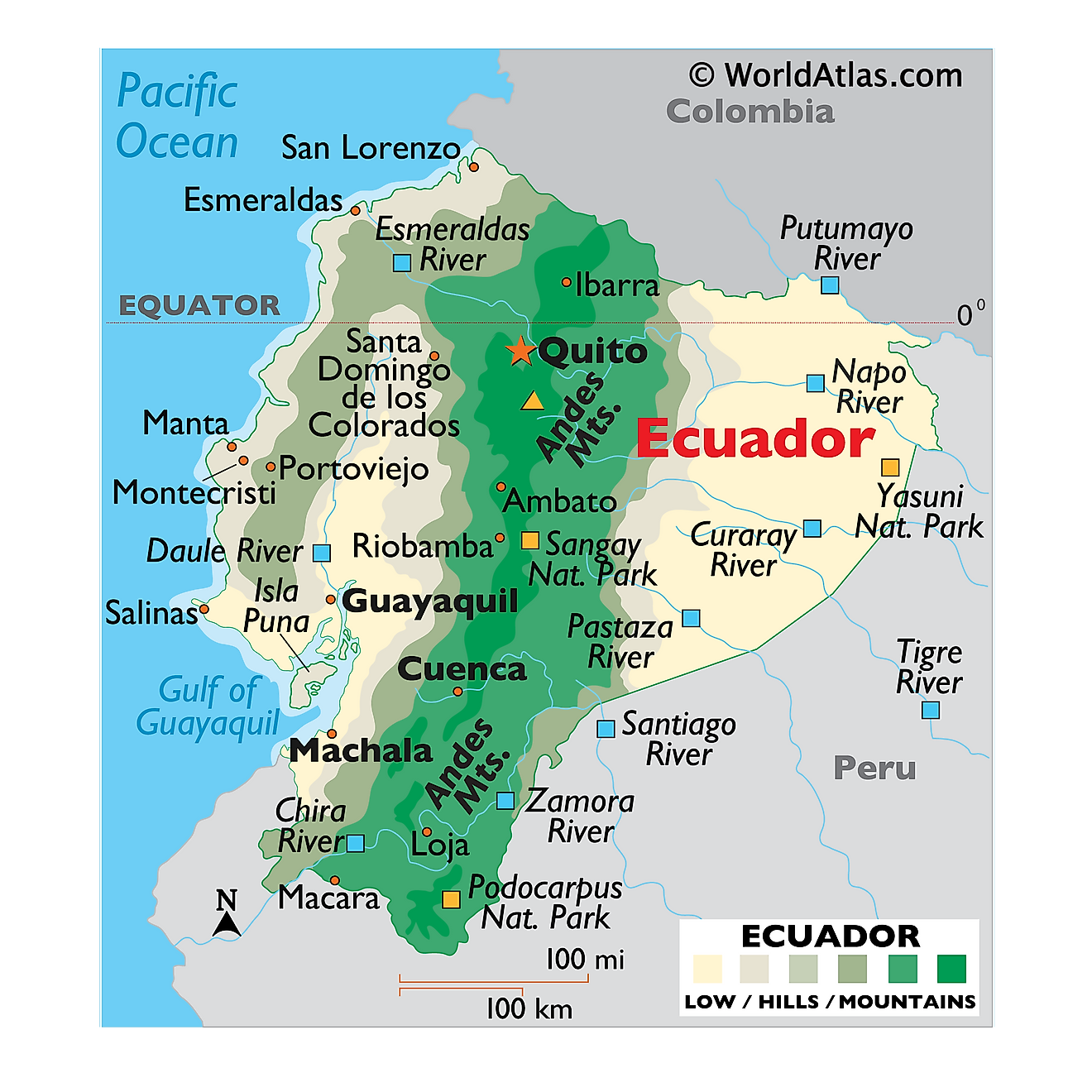
For context, consider the geographic and economic interdependence outlined by World Atlas: Ecuador’s coastal regions, which produce the majority of its agricultural exports, are heavily integrated with Colombian ports and logistics networks. Disrupting these connections could lead to shortages in Ecuador’s domestic market and higher costs for Colombian manufacturers. Meanwhile, the Galápagos Islands—Ecuador’s most lucrative tourism destination—could face supply chain disruptions if trade restrictions extend to shipping routes.
Historically, trade disputes between the two nations have been rare. The last major standoff occurred in 2010, when Ecuador imposed temporary tariffs on Colombian flowers after Bogotá restricted access to its markets. That dispute was resolved within months, but the current situation is more complex due to the political sensitivities involved. Analysts warn that if the tariffs are implemented, they could trigger a domino effect, with other Andean nations like Peru and Bolivia taking sides—or even exploiting the tension to renegotiate their own trade deals.
Safety Concerns: A Shadow Crisis in Ecuador’s Streets
While the diplomatic spat unfolds, Ecuador is grappling with another crisis: a surge in violent crime that has made travel risky for both tourists and expats. According to Country Reports on Ecuador, incidents of “secuestro express”—express kidnappings where taxi passengers are robbed at gunpoint—have risen sharply in Guayaquil and Quito. In one recent case, a foreign tourist was beaten and raped after refusing to hand over his wallet to assailants who intercepted his taxi. The report highlights that even registered taxis, which display orange license plates and cooperative markings, are not immune to attacks.
The U.S. Embassy in Quito has issued warnings advising citizens to avoid street taxis and use hotel-affiliated services instead. “Cooperation with the assailant usually results in the best outcome,” the report states, underscoring the brutal reality faced by victims. Meanwhile, armed robberies near ATMs and banks have become so common that travelers are advised to withdraw small amounts of cash at a time and avoid carrying large sums. The situation has led some expat communities, particularly in Cuenca and Cotacachi, to question whether the country remains safe for long-term residence.
This security crisis adds another layer to Ecuador’s current challenges. While the tariff dispute with Colombia is a high-profile diplomatic issue, the day-to-day struggles of Ecuadorians—from crime to economic instability—risk overshadowing the political tensions. For now, the government’s focus remains on stabilizing relations with Bogotá, but the safety concerns may force a reckoning with domestic priorities.
What Comes Next: Three Possible Outcomes
The next 30 days will be critical in determining whether the dispute escalates or de-escalates.
- Diplomatic Backchannel Negotiations: Both governments may opt for private talks to avoid public humiliation. Colombia could offer concessions on banana tariffs or other trade adjustments, while Ecuador might soften its rhetoric to prevent broader regional backlash.
- Escalation and Retaliation: If Ecuador proceeds with tariffs, Colombia could respond with its own measures, targeting Ecuadorian petroleum exports or financial services. This would drag other Andean nations into the conflict, complicating trade across the region.
- International Mediation: The Organization of American States (OAS) or the UN could step in to broker a resolution, particularly if the dispute threatens to destabilize the Andean Community of Nations—a regional bloc that promotes free trade.
One factor that could sway the outcome is the political climate in Ecuador. The country’s new president, Daniel Noboa, took office in November 2023 on a platform of tougher security measures and closer ties with the U.S. If Noboa perceives Colombia as undermining his authority, he may be less inclined to back down. Conversely, if economic pressures mount—particularly in Ecuador’s export-dependent sectors—public support for the tariffs could wane.
For now, the most immediate concern is the human cost. In a country where expats and retirees have long praised Ecuador’s affordability and quality of life, the combination of political tension and rising crime could deter new arrivals. Meanwhile, Ecuador’s Social Security healthcare system—once a selling point for retirees—remains accessible, with premiums under $80 a month for couples. But if the security situation deteriorates further, even that benefit may not be enough to offset the risks.
The coming weeks will reveal whether this dispute remains a diplomatic spat or spirals into a full-blown trade war. What is clear is that Ecuador and Colombia are at a crossroads—one where economic interdependence clashes with political ambition. The stakes are high, and the consequences could ripple far beyond their shared border.
