
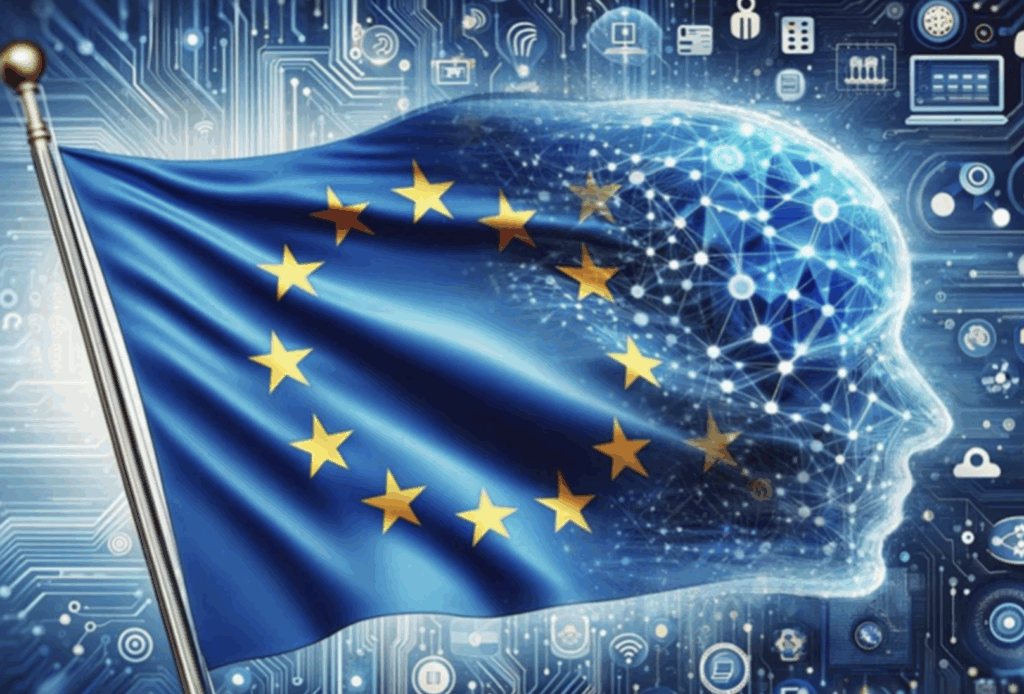
EU Launches €1 Billion ‘Apply AI’ Strategy to Boost Adoption and Reduce Tech Reliance
The European Commission yesterday announced a €1 billion (approximately $1.1 billion) investment plan designed to accelerate the integration of Artificial Intelligence across key industries and lessen the European Union’s dependence on technologies originating from the United States and China.
Dubbed the ‘Apply AI’ strategy, the initiative builds upon an action plan revealed in April, aiming to streamline regulations and reduce costs for AI startups navigating the EU’s recently enacted AI rules, which took effect last August. Commission President Ursula von der Leyen stated, “I want the future of AI to be made in Europe,” underscoring the EU’s ambition for strategic autonomy in vital sectors amidst growing trade tensions and the dominance of American tech giants. This move comes as global competition intensifies in the rapidly evolving field of artificial intelligence.
The funding will be allocated to specific sectors including agri-food, construction, healthcare, manufacturing, and pharmaceuticals, with a focus on initiatives like AI-powered screening centers in healthcare and the development of “agentic AI” for manufacturing, climate solutions, and drug discovery. The €1 billion will be sourced from existing EU research programs such as Horizon Europe and the Digital Europe Programme, with the Commission encouraging additional contributions from EU member states and the private sector. The EU has been working to establish itself as a leader in responsible AI development, as outlined in its Artificial Intelligence Act.
Von der Leyen emphasized the need for widespread AI adoption, stating, “AI adoption needs to be widespread, and with these strategies, we will help speed up the process. We will drive this ‘AI first’ mindset across all our key sectors, from robotics to healthcare, energy and automotive.” Officials indicated that the Commission will continue to monitor the strategy’s progress and adapt its approach as needed to ensure the EU remains competitive in the global AI landscape.
