
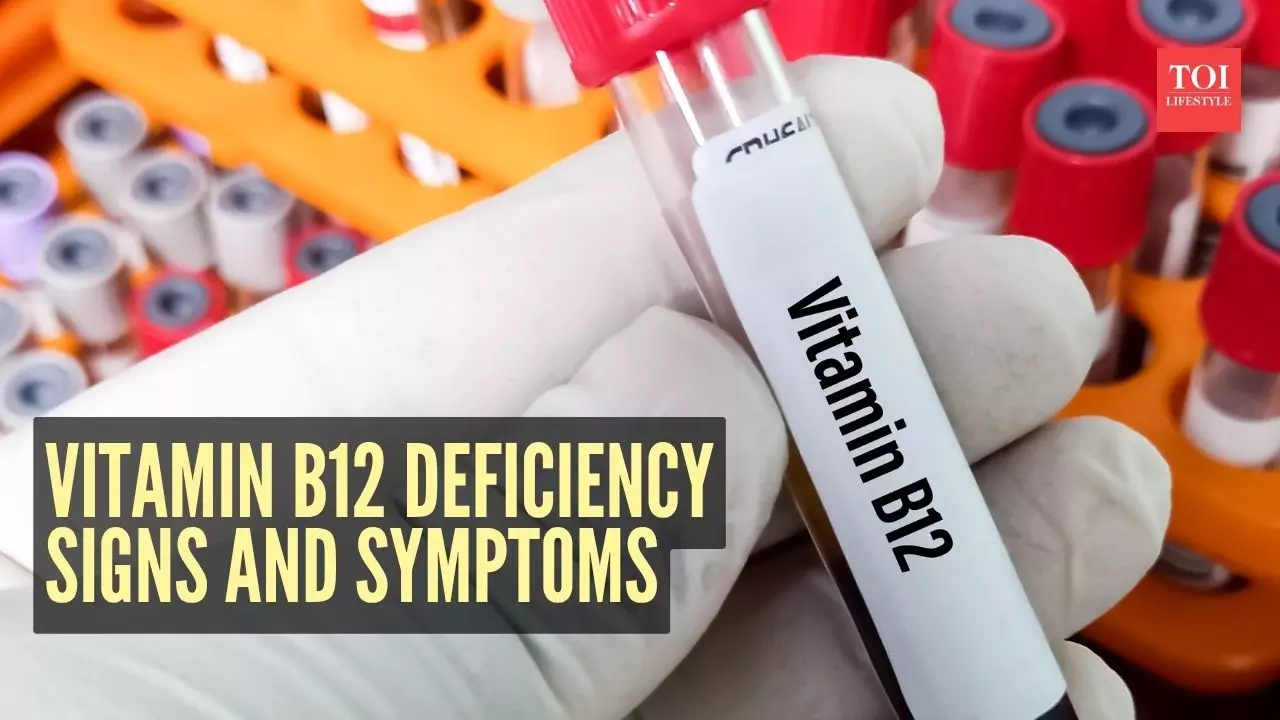
Vitamin B12 Deficiency: Recognizing the Often-Overlooked Symptoms
Low levels of Vitamin B12 can lead to anemia and a range of symptoms, including pale skin and a rapid heartbeat, but these indicators are frequently mistaken for other conditions.
According to the National Health Services, when Vitamin B12 is insufficient, defective red blood cells develop, ultimately causing anemia. Symptoms can manifest as pale skin or a yellowish tinge to the skin, known as jaundice, and an elevated heart rate. Because these symptoms are common to many illnesses, a deficiency can easily go undiagnosed.
If you experience two or more of these signs, medical professionals recommend getting your Vitamin B12 levels tested and consulting with a doctor. Early detection is crucial, as prolonged deficiency can lead to neurological problems; learn more about vitamin B12 deficiency on the NHS website.
This highlights the importance of regular health checkups and awareness of potential vitamin deficiencies, especially for individuals with dietary restrictions or certain medical conditions. Understanding the subtle signs of B12 deficiency can help prevent more serious health complications down the line, as detailed in this Mayo Clinic resource.
Health officials urge anyone concerned about potential symptoms to seek medical advice promptly for accurate diagnosis and appropriate treatment.
