
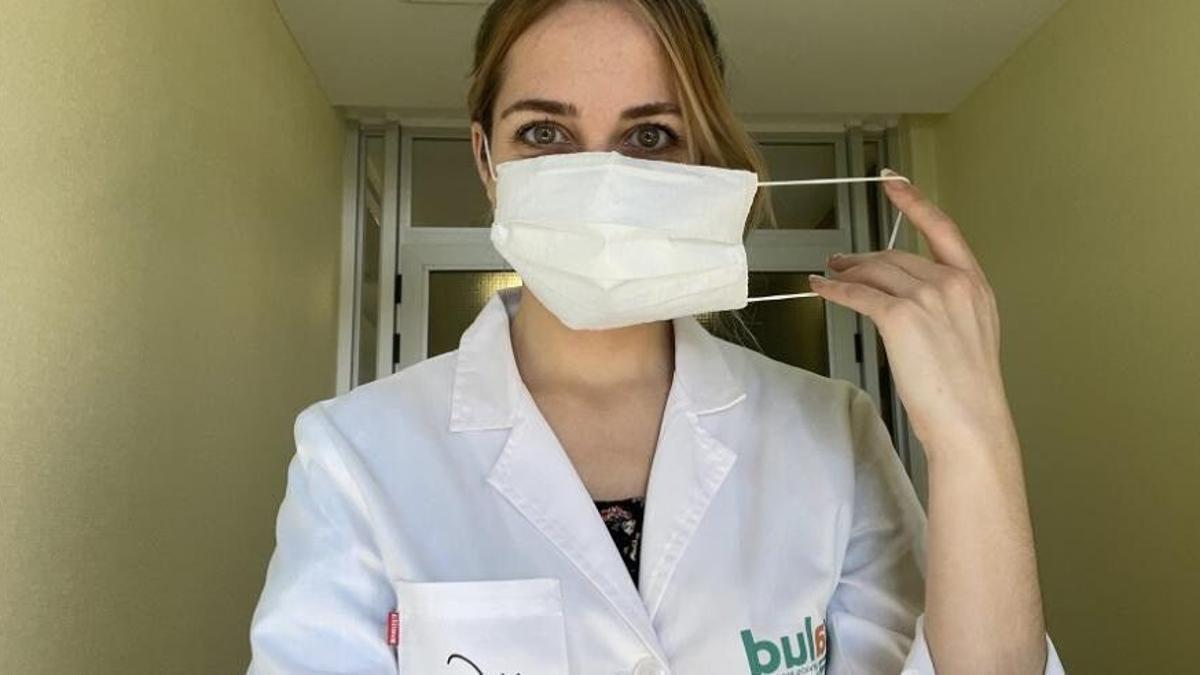
Spain is facing a surge in respiratory illnesses, including influenza and COVID-19, arriving earlier than in recent years. several regions are now recommending or mandating mask use in healthcare facilities as cases climb, with Aragón reinstating mask requirements in hospitals and health centers starting November 26th. National infection rates have reached 479.3 cases per 100,000 inhabitants, prompting officials to urge preventative measures like vaccination to mitigate the impact of this early-season spike.
Flu cases are surging across several regions of Spain, prompting health officials to recommend increased preventative measures. The rise in infections is occurring earlier than in previous years, raising concerns about a potentially challenging flu season. Understanding the current trends is crucial for public health preparedness and individual protection.
Data from the Information System for Monitoring Infections in Catalonia (Sivic) indicates that the flu season has begun two weeks ahead of schedule compared to 2024. During the week of November 17 to 23, 49,424 cases of severe respiratory infections were detected in Catalonia. This early surge highlights the importance of timely vaccination and preventative practices.
A woman sneezes into a tissue. Archive
Nationally, the rate of acute respiratory infections is 479.3 cases per 100,000 inhabitants, according to the most recent data from the Acute Respiratory Infection Surveillance System (Sivira), which operates under Spain’s Ministry of Health. This figure underscores the widespread increase in respiratory illnesses currently affecting the country.
In response to the rising cases, several autonomous communities are now recommending the use of masks in healthcare settings. These recommendations aim to protect both patients and healthcare workers during this period of increased viral activity.
Masks in Aragón
The president of Aragón, Jorge Azcón, has confirmed that, starting November 26, the use of masks will be mandatory in hospitals and health centers within the region. This measure is being implemented to mitigate the spread of infection within healthcare facilities.
The order, which can be found in the Official Gazette of Aragón, allows healthcare centers to require their staff to wear masks. The move reflects a proactive approach to managing the current surge in respiratory illnesses.
The province of Zaragoza is currently experiencing the most alarming situation, with an incidence of 76.1 cases per 100,000 inhabitants, reaching epidemic levels. This high rate of infection underscores the need for heightened vigilance and preventative measures in the area.
The situation in Huesca and Teruel is less concerning, with current rates of 28.9 and 30.7 cases per 100,000 inhabitants, respectively. However, officials continue to monitor the situation closely in all regions.
In the Community of Madrid, the incidence rate is 42.42 cases per 100,000 inhabitants, also exceeding the epidemic threshold. This increase in cases is prompting health authorities to reinforce preventative measures.
The community of Castilla y León has begun setting up vaccination points with no appointment necessary on weekends. This initiative aims to prevent the region from reaching the epidemic thresholds seen in other parts of Spain.
The situation is also causing concern in Galicia, where the incidence has reached 51.4 cases per 100,000 inhabitants. Health officials are closely monitoring the situation and preparing for a potential increase in cases.
