
El-Fasher Falls to RSF Amid Reports of Mass Civilian Killings in Sudan
The Rapid Support Forces (RSF) paramilitary group seized control of El-Fasher, a key city in western Sudan, yesterday, triggering a surge of violence that has reportedly left over 2,000 civilians dead in the past 48 hours, escalating a brutal conflict that threatens to fracture the nation.
Reports from armed groups allied with the Sudanese army and corroborated by the United Nations detail widespread atrocities, including summary executions, attacks on civilians attempting to flee, house-to-house raids, and obstruction of access to safety. The UN has also cited credible reports of widespread sexual violence against women and girls. Satellite imagery analyzed by Yale University’s Humanitarian Research Lab indicates evidence of “systematic mass killings,” with visible bloodstains on the ground. The primary targets of the violence are non-Arab groups, including the Fur, Zaghawa, and Masalit peoples.
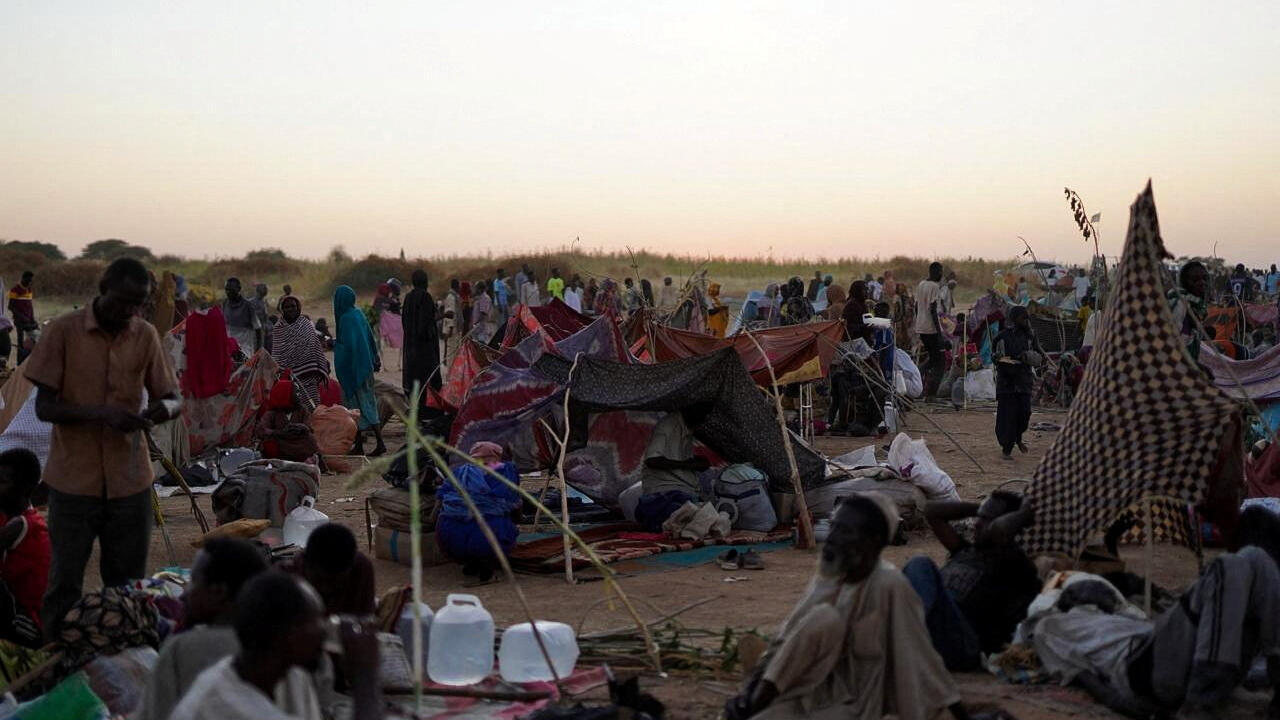
Approximately 177,000 civilians remain trapped within El-Fasher, besieged by a 56-kilometer blockade erected by the RSF, cutting off essential supplies of food and medicine. Around 26,000 people have fled in recent days, many traveling on foot to Tawila, 60 kilometers west of El-Fasher, and arriving with accounts of “horrific” ethnically and politically motivated killings. This latest development comes after an 18-month siege of the city marked by starvation and bombardment, weakening the civilian population before the recent attacks. The ongoing conflict began in April 2023 as a power struggle between General Abdel Fattah al Burhan, head of the Sudanese armed forces, and his former deputy, Mohamed Hamdan Dagalo, leader of the RSF. The World Peace Foundation has been closely monitoring the situation in Sudan.
The capture of El-Fasher, a crucial crossroads for trade and trafficking routes, grants the RSF near-total control of western Sudan and raises fears of further fragmentation of the country, potentially leading to a second secession after South Sudan in 2011. “El-Fasher is Darfur’s lynchpin,” said Dr. Matthew Sterling Benson-Strohmayer, Sudans research director at the London School of Economics and Political Science. Experts warn that RSF rule in the region could lead to the eradication of non-Arab groups, echoing accusations of genocide during the Darfur conflict between 2003 and 2005. The United Nations Office on Genocide Prevention and the Responsibility to Protect is monitoring the situation for potential warning signs.
With little appetite for negotiation between the warring factions, officials warn that the situation in Sudan is rapidly deteriorating and jeopardizing any prospects for peace or state reconstruction.
