
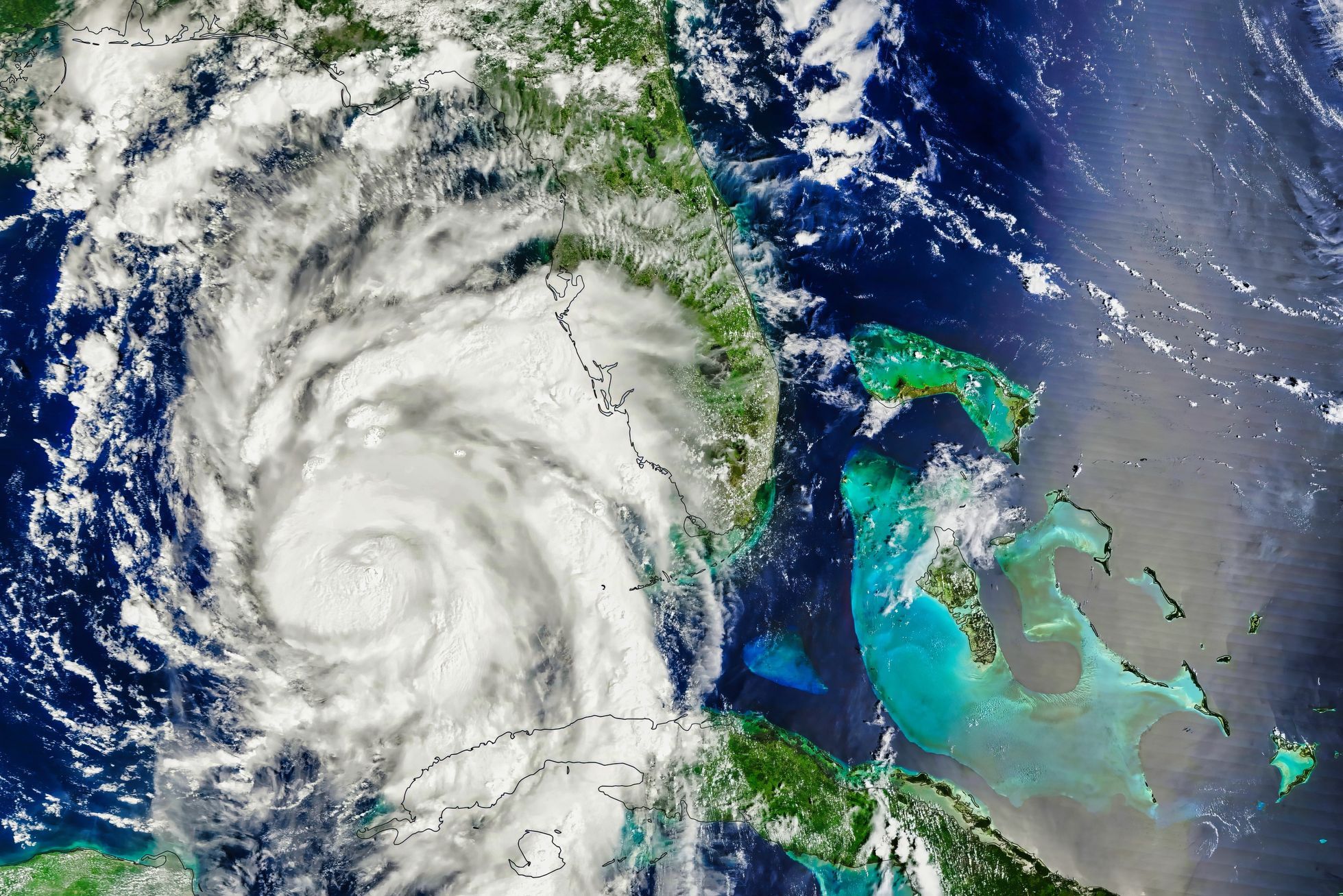
For decades, weather forecasting has been a computationally intensive process, relying on massive supercomputers to interpret atmospheric data. Now, Google is poised to dramatically change that paradigm with a new artificial intelligence model capable of generating highly detailed forecasts with unprecedented speed adn efficiency. The company’s WeatherNext 2, developed by Google DeepMind and Google Research, promises to deliver more accurate predictions – and a wider range of potential scenarios – to both specialized industries and everyday users through services like Google Search and Pixel Weather. This leap forward comes as communities worldwide increasingly grapple with the impacts of extreme weather events, underscoring the critical importance of improved forecasting capabilities.
Traditional weather forecasting has long relied on complex physics calculations run on supercomputers – a process that, while accurate, is both slow and energy intensive. Now, Google is introducing a new generation of artificial intelligence poised to revolutionize how we predict the weather.
While physical models require entire supercomputer farms to compute an hour-long simulation, Google DeepMind and Google Research’s WeatherNext 2 AI model can accomplish the same task faster, at higher resolution, and with a fraction of the energy.
According to Google, WeatherNext 2 can generate a detailed weather forecast in under a minute from a single initial state. The AI operates on a single, specialized TPU chip. “This allows the model to generate not just 10 or 50 forecasts, but hundreds or even thousands in a short amount of time,” says Akib Uddin, Product Manager at Google DeepMind.
This capability provides meteorologists with not just a single, linear forecast, but an entire spectrum of potential scenarios – particularly valuable when anticipating extreme rainfall, windstorms, or the development of tropical cyclones. This expanded view will help forecasters and emergency planners proactively identify potential hazards.
Eight Times Faster, and Coming to Everyday Users
The new model is eight times faster than its predecessor and, according to Google data, outperforms traditional methods in 99.9 percent of the meteorological parameters tracked – including temperature, wind, humidity, and precipitation.
WeatherNext 2 can generate hourly forecasts up to 15 days in advance and, thanks to its high resolution, captures phenomena that might be lost in coarser physical models. Notably, it’s also proving more accurate than models from the European Centre for Medium-Range Weather Forecasts, widely considered the gold standard in weather prediction.
Faster and more accurate forecasts have significant implications for a range of industries, from energy and agriculture to aviation. “Hourly-resolution forecasts help make more precise decisions that directly impact their business,” Uddin notes. The technology also benefits emergency responders, giving them crucial time to prepare for extreme events and minimize damage and risk.
The impact extends beyond specialized sectors. Google plans to gradually integrate the new model into its consumer-facing services, including Google Search and Maps, Pixel Weather, and Google Gemini. This means everyday users will have access to more accurate weather information for planning trips or outdoor activities.
Source: AImagazine
