
A groundbreaking new radiation therapy is demonstrating remarkable success in treating advanced prostate cancer that has spread, perhaps offering improved outcomes and a better quality of life for patients. The treatment, known as Stereotactic Total Ablative Radiotherapy (STAR), allows for highly targeted radiation of multiple tumors in as few as five sessions. Recent clinical research, detailed below, highlights the efficacy of STAR for those diagnosed with “oligometastatic” prostate cancer-cases where the disease has spread to a limited number of sites-and underscores the growing importance of advanced imaging like PSMA-PET scans in identifying and treating these cancers with greater precision.
A new radiation therapy approach is showing promising results for men with advanced prostate cancer that has spread, offering a potential path to improved survival rates and quality of life. The treatment, known as Stereotactic Total Ablative Radiotherapy (STAR), allows doctors to target multiple tumors simultaneously with high doses of radiation, completing treatment in as few as five sessions.
The therapy is particularly effective for patients diagnosed with “oligometastatic” prostate cancer – meaning the cancer has spread to a limited number of sites, typically five or fewer organs. Advances in imaging, such as PSMA-PET scans, are helping doctors more accurately identify these smaller areas of spread, making targeted treatment like STAR possible. These scans track proteins on the surface of cancer cells, providing a clearer picture of the disease’s extent.
Clinical Study: STAR Targets Five Metastases Simultaneously
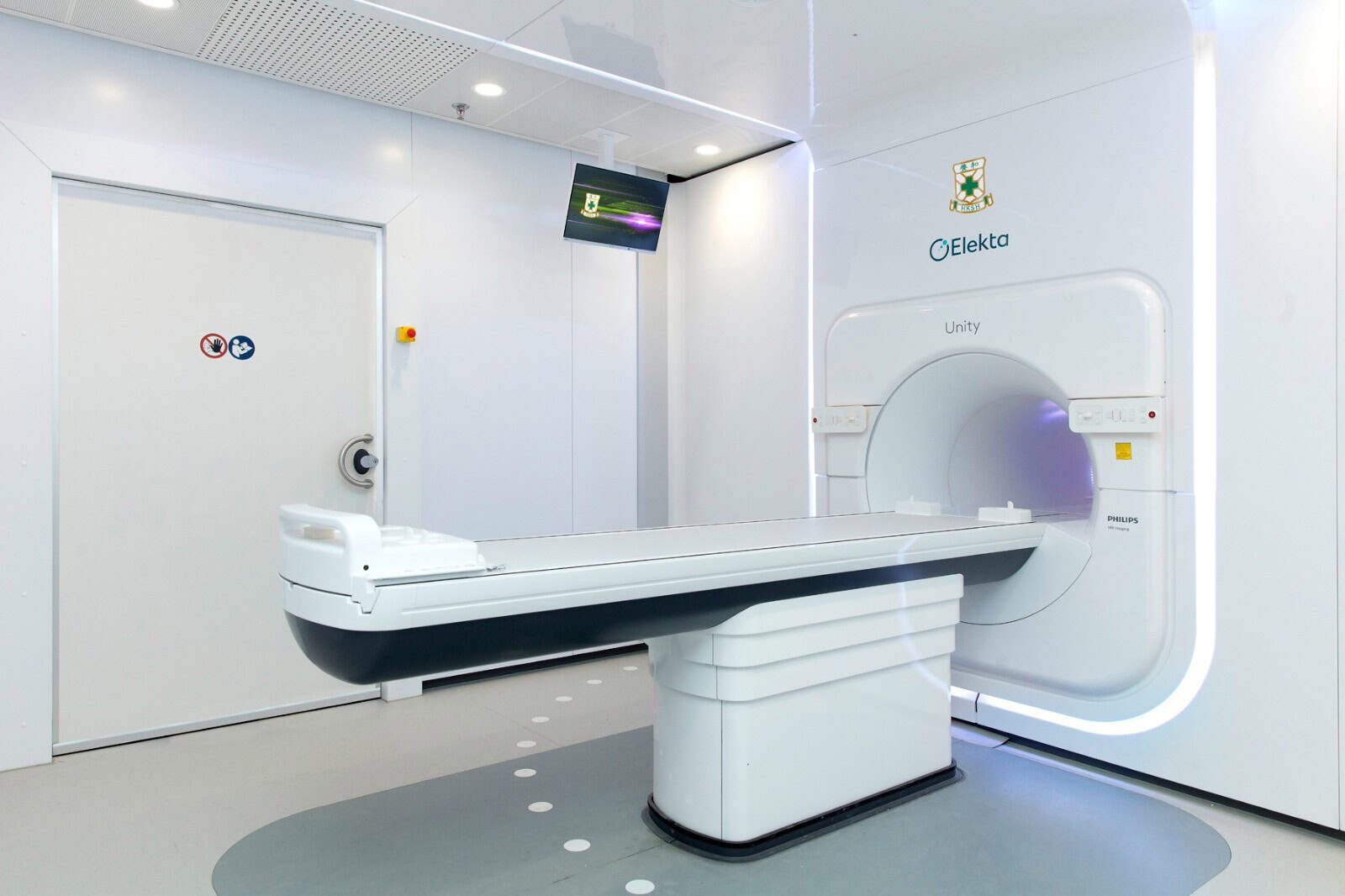
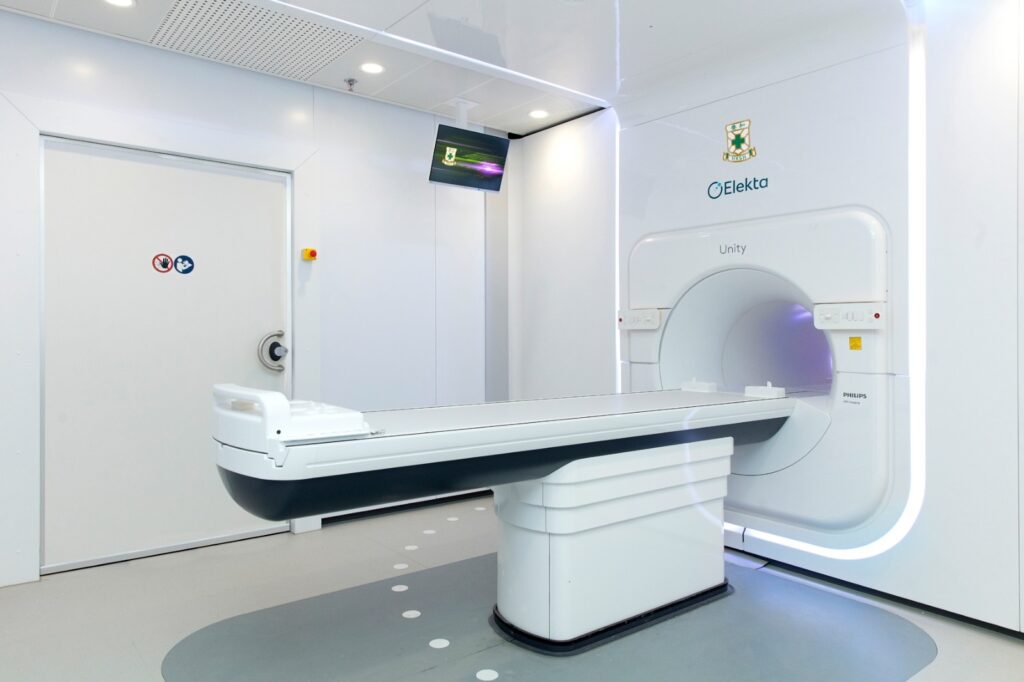
A clinical study conducted between 2020 and 2023 at Yanghe Hospital evaluated STAR therapy in 43 patients aged 46 to 93 with oligometastatic, late-stage prostate cancer. The treatment utilizes real-time magnetic resonance (MR) guidance to precisely focus radiation on up to five tumor sites at once. This approach allows for higher doses of radiation to be delivered in fewer visits – typically completed within two to three weeks – while minimizing damage to surrounding healthy tissue. This is a significant advancement, as traditional radiation therapy often involves lower doses delivered over a longer period.
Related article: Early Symptoms of Prostate Cancer are Similar to Enlarged Prostate – Seek Early Checkups if You Notice Urinary Problems
Results: 100% Three-Year Survival Rate, Reduced Treatment Burden, Improved Quality of Life
This study, the first of its kind globally, yielded encouraging results. All patients who completed the five STAR radiation therapy sessions, followed by hormone therapy, had a 100% survival rate at three years. Furthermore, 95.2% of patients showed no disease progression over the same period. These findings suggest STAR is a promising treatment option for men with oligometastatic, late-stage prostate cancer. The research was published in July 2025 in the academic journal Frontiers in Oncology, and researchers hope this approach will offer more treatment options, reduce the burden of care, and improve the quality of life for patients facing this diagnosis.
Pan Mingjun, MD, Deputy Director of the Comprehensive Cancer Center at Yanghe Hospital, and Specialist in Clinical Oncology
-
What is “Oligometastatic” Prostate Cancer? Why Does it Require Specialized Treatment?
“Oligometastatic” refers to prostate cancer that has spread to a limited number of locations (typically five or fewer), involving a limited number of organs. Because the number of tumors is small and the extent is manageable, more precise imaging techniques like PSMA-PET scans can clearly locate the metastatic lesions, allowing physicians to treat more effectively and increase the chances of controlling the disease.
-
How Does STAR Radiation Therapy Differ from Conventional Radiation Therapy? What are the Results?
STAR (Stereotactic Total Ablative Radiotherapy) combines a high-dose, low-fractionation approach, allowing doctors to target up to five metastatic tumors simultaneously in just five treatments, with real-time MRI guidance to improve precision and reduce damage to healthy tissue. Clinical studies show that patients with oligometastatic, late-stage prostate cancer who received STAR had a three-year survival rate of 100% and a three-year progression-free survival rate of 95.2%, significantly reducing the burden of treatment and improving quality of life.
