
Shinzo Abe Assassin Pleads Guilty to Murder in Landmark Case
The man accused of assassinating former Japanese Prime Minister Shinzo Abe pleaded guilty today to the 2022 murder, a case that exposed deep fissures within Japanese society and prompted a national reckoning on gun control and religious influence.
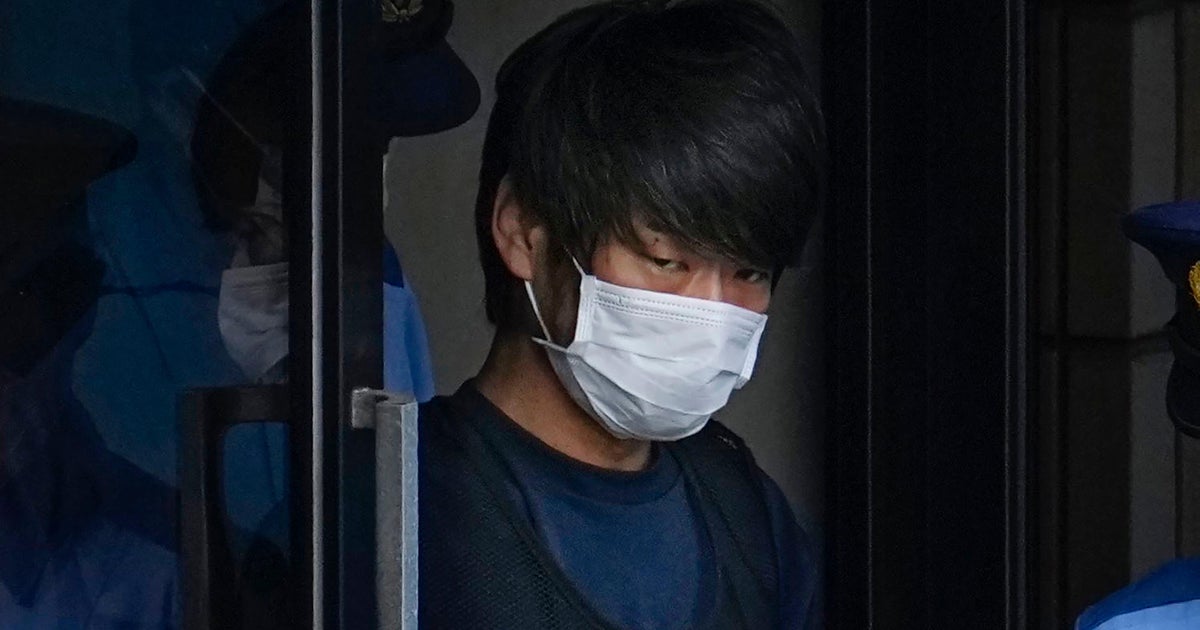
Tetsuya Yamagami, 45, admitted to the shooting at a court in Nara, telling the court, “Everything is true,” and “There is no doubt that I have done all this,” according to reports. Yamagami was led into the courtroom handcuffed and with a rope around his waist. His defense team indicated they would challenge charges related to weapons control, specifically concerning the homemade firearm used in the attack. The trial drew significant public interest, with over 700 people vying for 32 seats in the public gallery.
Prosecutors detailed Yamagami’s growing resentment towards the Unification Church, believing it had financially ruined his family. They stated he initially planned to attack church executives but shifted his focus to Abe, believing the former prime minister’s ties to the organization would draw attention to the issue. Yamagami reportedly resented Abe for his perceived connections to the controversial group, which has faced accusations of coercive fundraising practices and is often referred to as the “Moonies.” His mother reportedly donated approximately 100 million yen – equivalent to $1 million at the time – to the church, leading to financial hardship and family distress. This case has led to increased scrutiny of the relationship between the Liberal Democratic Party and the Unification Church, resulting in the resignation of several ministers and a dissolution order for the church’s Japanese branch earlier this year. For more on the Unification Church, see Britannica’s entry on the organization.
The assassination prompted Japan to strengthen its already strict gun control laws, with new legislation passed in 2024 criminalizing the online dissemination of firearm manufacturing information. The incident also highlighted the rarity of gun violence in Japan, where security officials initially struggled to recognize the sound of gunfire. The case continues to reverberate through Japanese politics and society, raising questions about the influence of religious organizations and the security of public figures; you can find more information about Japan’s political landscape at the Council on Foreign Relations.
Court officials stated the sentencing phase of the trial will begin at a later date.
