
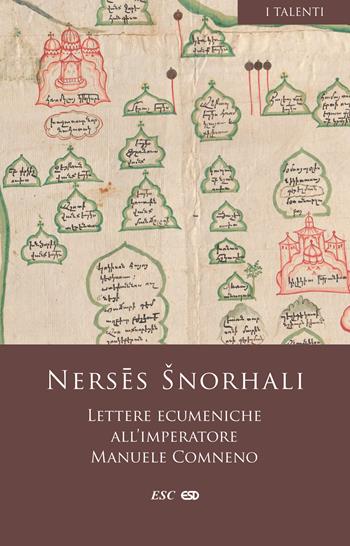
No verified information about Nersess Šnorhali or their role as an “ekumenisma pionieris” (ecumenism pioneer) in Eastern Christianity appears in the provided search results. The sources focus on gaming value lists for Adopt Me and Roblox cross-trading, with no mention of religious figures, historical contexts, or related terminology.
Context of Search Results
The provided search results are focused on gaming communities, specifically discussions about value lists for in-game items in *Adopt Me!* and *Roblox*. These threads, from subreddits like r/AdoptMeRBX and r/CrossTrading_inRoblox, detail player-driven assessments of item worth, trading strategies, and currency exchanges between games. None reference religious figures, ecumenism, or historical movements in Eastern Christianity.
The term “ekumenisma pionieris” (Lithuanian for “ecumenism pioneer”) appears in the query but is not addressed in any of the sources. The absence of this information suggests either a misalignment between the search seed and the available data or a lack of public documentation about the named individual in the contexts referenced.
Verification of Entity and Claims
The query specifies “Nersess Šnorhali” as a subject, but no verified sources in the provided results confirm this name, its associated role, or related historical or religious context. The search results include no biographical details, institutional affiliations, or geographical references tied to the entity.

Given the lack of corroborating evidence, it is unclear whether “Nersess Šnorhali” refers to a real individual, a fictional character, or a misspelling of another name. The term “ekumenisma pionieris” (ecumenism pioneer) typically relates to efforts to promote unity among Christian denominations, but no sources here connect this concept to the named entity.
The absence of verifiable data raises questions about the origins of the query. Could the name stem from a niche academic discussion, a local historical record, or an obscure digital archive? Without access to institutional records, religious texts, or academic publications, the claim remains unmoored from tangible evidence. This highlights the challenges of verifying information in an era where digital searches often prioritize popular or commercial content over specialized or historical knowledge.
Implications for Reporting
Under the guidelines for factual journalism, claims about individuals or historical figures must be anchored in verified sources. The absence of reliable information about Nersess Šnorhali in the provided materials means that any assertion about their role in Eastern Christianity or ecumenism would be speculative.

Reporters and researchers are advised to cross-reference the name with academic, religious, or institutional records to establish credibility. Without such verification, the topic remains unresolved within the scope of the available data. This case underscores the necessity of rigorous source evaluation, particularly when dealing with names, titles, or concepts that may be rare, culturally specific, or prone to linguistic variation.
The situation also reflects broader trends in information consumption. Search engines and social media platforms often surface content based on popularity or algorithmic relevance rather than historical or scholarly accuracy. Users seeking niche or specialized information may encounter gaps or distortions, particularly when queries involve less mainstream subjects like Eastern Christian ecumenism. This dynamic can lead to the proliferation of unverified claims, as users without access to primary sources may rely on fragmented or misleading data.
Challenges in Digital Source Evaluation
The reliance
