
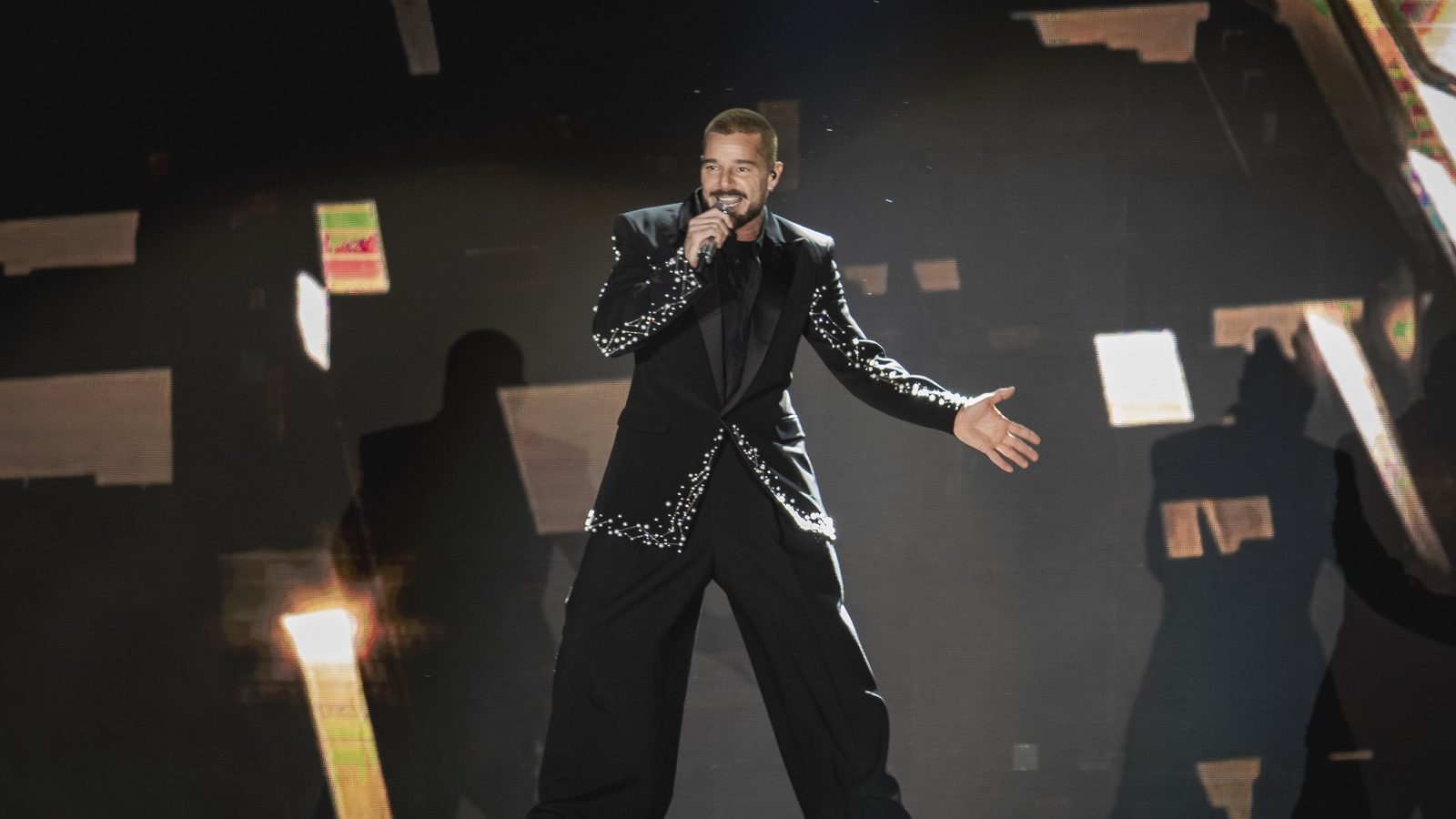
The Riki Martin concert in Podgorica on May 21, 2026—part of Montenegro’s Independence Day celebrations—was interrupted when an unknown individual threw a tear gas canister near the stage, causing a brief panic before the show resumed. The incident, which sparked outrage on social media, also disrupted a planned on-stage proposal by two government ministers, forcing them to delay their plans for a year. While police recovered the tear gas canister and vowed to identify the perpetrator, the episode laid bare tensions over public safety at high-profile events in a country still grappling with political divisions.
How the Incident Unfolded: A Timeline of Chaos and Recovery
At around 11 p.m. local time, as Riki Martin performed his signature hits—including “Maria” and “Livin’ La Vida Loca”—the crowd of thousands on Podgorica’s Independence Square was jolted by the sudden activation of a tear gas canister near the stage. According to Radio-Televizija Vojvodine, the canister triggered a “short panic” among attendees, but concert organizers and security quickly contained the situation. Within minutes, Martin—known for his resilience—returned to the stage and addressed the crowd, declaring, “Nothing will stop this show. Nothing!” before launching into “La Copa de la Vida,” the 1998 World Cup anthem that closed the performance.


The incident was not an isolated act of vandalism. A post on the social media platform X by Milan Knežević, president of the Democratic People’s Party (DNP), claimed the tear gas was thrown by a fugitive criminal named Miloš Medenica. Knežević added, with characteristic bluntness, that authorities would struggle to identify the perpetrator because “the person who threw the tear gas is a wanted criminal.” His post also hinted at broader political tensions, noting that the incident had disrupted a planned on-stage proposal by two ministers, who would now have to wait until next year’s celebrations.
The Aftermath: Social Media Outrage and Political Fallout
The moment the tear gas was deployed, the concert’s live stream—widely shared across Montenegro—captured the chaos as attendees scrambled away from the stage. Within hours, social media erupted with condemnation. One user on X wrote, “This is a disgrace. How can this happen in our city?” Another commented, “We’re not animals—this kind of behavior is unacceptable.” The backlash extended beyond Montenegro’s borders, with international observers questioning whether the country’s security forces were prepared for large-scale public events.
While the concert resumed without further incident, the damage was done. Riki Martin, who has spoken openly about his struggles with mental health, demonstrated remarkable composure. As Scena reported, he concluded the show with a simple message to the crowd: “See you next time. I love you.” Yet the incident cast a shadow over what was supposed to be a celebratory evening, with many fans expressing disappointment that such an event could turn violent.
Security Failures and Political Undertones
The tear gas incident raises serious questions about security protocols at public gatherings in Montenegro. Police confirmed they had recovered the canister and were investigating, but the swiftness with which the perpetrator was able to act suggests gaps in crowd control measures. Milan Delić, the head of Podgorica’s Criminal Police Department, told local media that the individual responsible would be “found quickly,” but the lack of immediate arrests or public identification has fueled skepticism.
Political analysts note that the timing of the incident—during Independence Day celebrations—could not have been worse. The event was meant to showcase Montenegro’s unity, but the disruption highlighted underlying divisions. Knežević’s claim that the tear gas was thrown by a fugitive criminal adds a layer of intrigue, suggesting possible connections to organized crime or political sabotage. However, without official confirmation, the allegation remains speculative.
What Happens Next: Investigations and Long-Term Repercussions
In the immediate aftermath, police are focusing on identifying the perpetrator, but the broader implications of the incident are already unfolding. The disrupted on-stage proposal by the two ministers—whose identities have not been confirmed—could become a political liability, especially if it delays a high-profile government initiative. Meanwhile, the public’s trust in event security has been shaken, and organizers may face increased scrutiny for future large-scale gatherings.
For Riki Martin, the incident was a minor blip in an otherwise successful tour stop. His ability to pivot and continue performing underscores his professionalism, but the episode serves as a reminder that even the most meticulously planned events can be derailed by unforeseen circumstances. As Montenegro continues to navigate its post-independence identity, incidents like this one will test the country’s resilience—and its ability to maintain public order during moments of national celebration.
One thing is clear: the tear gas canister thrown in Podgorica was more than just a security breach. It was a stark reminder that in a region still healing from political upheavals, even the most joyous occasions can turn into flashpoints of tension.
