
The Evolution of Sports Gambling in the United States: A Deep Dive into Its Impact and Future
Table of Contents
- The Evolution of Sports Gambling in the United States: A Deep Dive into Its Impact and Future
- Frequently Asked Questions (FAQ)
- What is the current state of sports gambling legalization in the United States?
- How has the legalization of sports gambling impacted state revenues?
- What are the social and psychological consequences of legalized sports gambling?
- How has the gambling industry responded to concerns about addiction?
- What measures are being considered to address the negative impacts of sports gambling?
- How can individuals seek help for gambling addiction?
March 30, 2025
The Shift from Prohibition to Legalization
In June 1990, during a Senate subcommittee hearing, Paul Tagliabue, then commissioner of the National Football League (NFL), testified against the dangers of legalized gambling. He stated, “Nothing has done more to despoil the games Americans play and watch than widespread gambling on them.” His mission was clear: “It’s to protect the integrity and the character of our games.” This sentiment reflected the prevailing view that gambling and professional sports were incompatible.
Fast forward to 2018, a landmark Supreme Court decision overturned the Professional and Amateur Sports Protection Act (PASPA), which had effectively banned sports betting outside Nevada. This ruling granted individual states the authority to legalize and regulate sports gambling. As a result, by 2025, 39 states and Washington, D.C., have legalized some form of sports betting, marking a significant shift in the landscape of American sports and gambling.
The Proliferation of Sports Betting
The expansion of legalized sports gambling has been rapid. Major celebrities, including Jamie Foxx, Wayne Gretzky, Eli and Peyton Manning, and Garth Brooks, have become prominent endorsers of sports betting platforms. This widespread promotion has normalized and popularized sports gambling across the nation.
In 2024, Americans legally wagered a record $1.39 billion on the Super Bowl, an 11.2% increase from the previous year’s $1.25 billion. This surge underscores the deepening integration of sports betting into American culture. ([reuters.com](https://www.reuters.com/sports/nfl/americans-expected-legally-bet-139-bln-super-bowl-aga-says-2025-02-04/?utm_source=openai))
The Dark Side: Gambling Addiction and Its Consequences
While the financial benefits of legalized sports gambling are evident, the social and psychological repercussions are profound. Harry Levant, a licensed therapist and former gambling addict, highlights the dangers of online sports gambling, describing it as “a fundamentally different and more dangerous product than ever could have been imagined.” He emphasizes the ease of access, noting that one can “bet on ping pong from the Czech Republic on an average Wednesday morning.” ([harrylevant.com](https://www.harrylevant.com/gambling-counseling?utm_source=openai))
Levant’s personal journey underscores the severity of gambling addiction. He recounts, “Gambling addiction took my mind, my soul, body, and conscience.” His experiences led him to become a therapist specializing in gambling addiction, aiming to help others navigate the path to recovery. His approach focuses on building a pathway to recovery, healing relationships, and regaining control over finances and mental health. ([harrylevant.com](https://www.harrylevant.com/gambling-counseling?utm_source=openai))
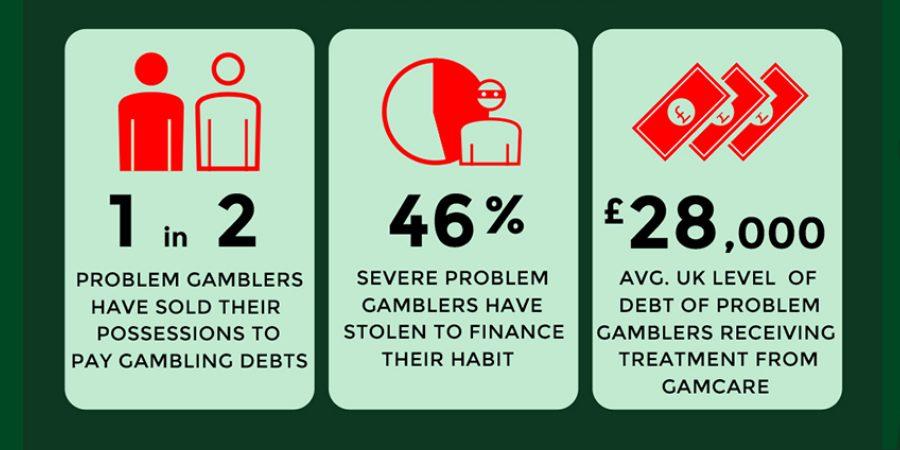
The American Psychiatric Association recognizes gambling disorder as an addiction on par with substances like cocaine and alcohol. Alarmingly, studies indicate that one in five problem gamblers will attempt suicide, the highest rate among all addictions. This statistic highlights the urgent need for comprehensive support systems and preventive measures. ([harrylevant.com](https://www.harrylevant.com/gambling-counseling?utm_source=openai))
Industry Practices and Ethical Considerations
The gambling industry’s business model often capitalizes on the most vulnerable individuals. Levant points out that over 80% of gambling companies’ profits come from the 15% of people who are gambling the most. To sustain this revenue, companies employ strategies like “reload bonuses,” offering additional credits to individuals who have lost money, encouraging them to continue gambling. Levant likens this tactic to a “neighborhood dope dealer” offering extra incentives to keep clients engaged. ([harrylevant.com](https://www.harrylevant.com/gambling-counseling?utm_source=openai))
Furthermore, the industry’s focus on “responsible gaming” has been criticized as a means to self-regulate without implementing substantial protective measures. Levant argues that this approach is akin to the tobacco industry’s historical tactics of promoting “responsible smoking” while failing to address the inherent dangers of their products. ([harrylevant.com](https://www.harrylevant.com/gambling-counseling?utm_source=openai))
Recent Developments and Future Outlook
As of March 2025, the landscape of sports gambling continues to evolve. States like New Jersey, which pioneered the legalization of sports betting, are now considering additional regulations to protect consumers. For instance, New Jersey is contemplating banning proposition bets on college athletes to prevent undue pressure and harassment. This move reflects a growing awareness of the potential harms associated with certain gambling practices. ([apnews.com](https://apnews.com/article/f21d5e1496a0e5b83b38c9a7c14e881f?utm_source=openai))
Despite these efforts, challenges persist. The proliferation of online gambling platforms has made it increasingly difficult to monitor and regulate betting activities effectively. The ease of access to gambling via smartphones and computers has led to a surge in gambling-related issues, particularly among younger demographics. This trend underscores the need for robust regulatory frameworks and public health initiatives to mitigate the adverse effects of gambling.
Looking ahead, the debate continues on how to balance the economic benefits of legalized sports gambling with the imperative to protect public health. Advocates for stricter regulations argue that without comprehensive measures, the social costs will continue to outweigh the benefits. As the industry grows, it is crucial to implement policies that promote responsible gambling and provide support for those affected by addiction.
What resources are available for people struggling with a gambling problem?
Frequently Asked Questions (FAQ)
What is the current state of sports gambling legalization in the United States?
As of March 2025, 39 states and Washington, D.C.,have legalized some form of sports betting,marking a important shift in the landscape of American sports and gambling.
How has the legalization of sports gambling impacted state revenues?
Legalized sports gambling has led to substantial tax revenues for states. For instance, North Carolina reported $131.3 million in taxes from its first year of mobile sports betting, surpassing initial projections. These funds are allocated to various causes, including athletic departments and gambling addiction education. ([apnews.com](https://apnews.com/article/571a3fe28a9986ff8f4a4334f71b783f?utm_source=openai))
While financial benefits are evident, the social and psychological repercussions are profound. Gambling addiction can lead to severe financial problems, damaged personal relationships, and mental health struggles. The American Psychiatric Association recognizes gambling disorder as an addiction on par with substances like cocaine and alcohol.
How has the gambling industry responded to concerns about addiction?
The gambling industry’s focus on “responsible gaming” has been criticized as a means to self-regulate without implementing substantial protective measures. Critics argue that this approach is akin to the tobacco industry’s historical tactics of promoting “responsible smoking” while failing to address the inherent dangers of their products.
What measures are being considered to address the negative impacts of sports gambling?
States like New Jersey are considering additional regulations to protect consumers, such as banning proposition bets on college athletes to prevent undue pressure and harassment. This reflects a growing awareness of the potential harms associated with certain gambling practices.
How can individuals seek help for gambling addiction?
If you or someone you know is struggling with gambling addiction, help is available.The National Problem Gambling Helpline offers free, confidential support 24/7. Call 1-800-GAMBLER to speak with trained counselors who can provide guidance, resources, and treatment options. Additionally, the 988 Suicide & Crisis Lifeline is available by calling or texting 988 for emotional distress or suicidal crisis support.
