

Swiss voters will decide on June 14, 2026, whether to tighten rules governing the Zivildienst (civilian service), a move that has sparked fierce debate over its impact on agriculture and public services. The proposed changes aim to reduce the number of young men opting for civil service over military duty, with farmers like Daniel Baumann warning of dire consequences for rural communities.
Referendum Focuses on Civil Service Reforms
The Swiss government’s push to amend the Zivildienstgesetz (Civil Service Law) has drawn criticism from agricultural groups, who argue that stricter regulations will undermine essential labor in remote regions. The referendum, scheduled for June 14, 2026, centers on six measures designed to make the transition from military service to civil service more difficult. These include mandating at least 150 civil service days regardless of prior military training and limiting exemptions for students in health or veterinary fields.
Officials estimate that a “yes” vote could reduce civil service enrollments by 40%, according to the second source. This would disproportionately affect mountain farms like Baumann’s in the Urner Meiental, where seasonal labor is critical. “Without Alex Schmidt, much would remain undone,” Baumann said, referring to a 23-year-old civil servant who helped manage sheep and dairy operations. “For me, Zivis are gold worth.”
Agricultural Communities Face Uncertainty
Farmer Daniel Baumann, who has relied on civil servants since 2010, highlighted the growing reliance on Zivildienstleistende (civil service participants) for tasks like shearing, fencing, and clearing debris from alpine pastures. In 2025, 50,745 civil service days were logged in agriculture, according to the first source. Farmers argue that these workers fill gaps left by declining rural populations and aging labor forces.
The proposed reforms would require all applicants to complete 150 civil service days, even if they have already fulfilled their military obligations. This could deter young men from choosing civil service, which currently offers a longer, less physically demanding alternative to military duty. The Swiss Army has warned that the changes could exacerbate staffing shortages, particularly in emergency services and infrastructure maintenance.
Debate Over Military and Civil Service Balance
The Bundesrat (Swiss Federal Council) supports the reforms, arguing that the current system allows too many young men to avoid military service. “The Zivildienst must be an exception, not an alternative,” said a federal official in the second source. Critics, including the Zivildienstverband (Civil Service Association), counter that the changes risk weakening public services, particularly in sectors like healthcare and agriculture.

The conflict reflects broader tensions over Switzerland’s dual military-civil service model. While 7,211 individuals were enrolled in civil service in 2025—the highest number on record—military recruitment has declined. The Nationalrat (Swiss National Council) has called for stricter enforcement of the reforms, but the debate remains unresolved. A 2020 attempt to pass similar legislation failed, and the current proposal faces strong opposition from left-leaning parties and civil society groups.
What’s Next for Swiss Civil Service?
If approved, the reforms could reshape Switzerland’s labor landscape, particularly in rural areas. Farmers like Baumann fear that reduced civil service participation will force them to rely on temporary foreign workers or automation, both of which are costly and logistically challenging. “The system worked for years,” Baumann said. “Now it’s under threat.”
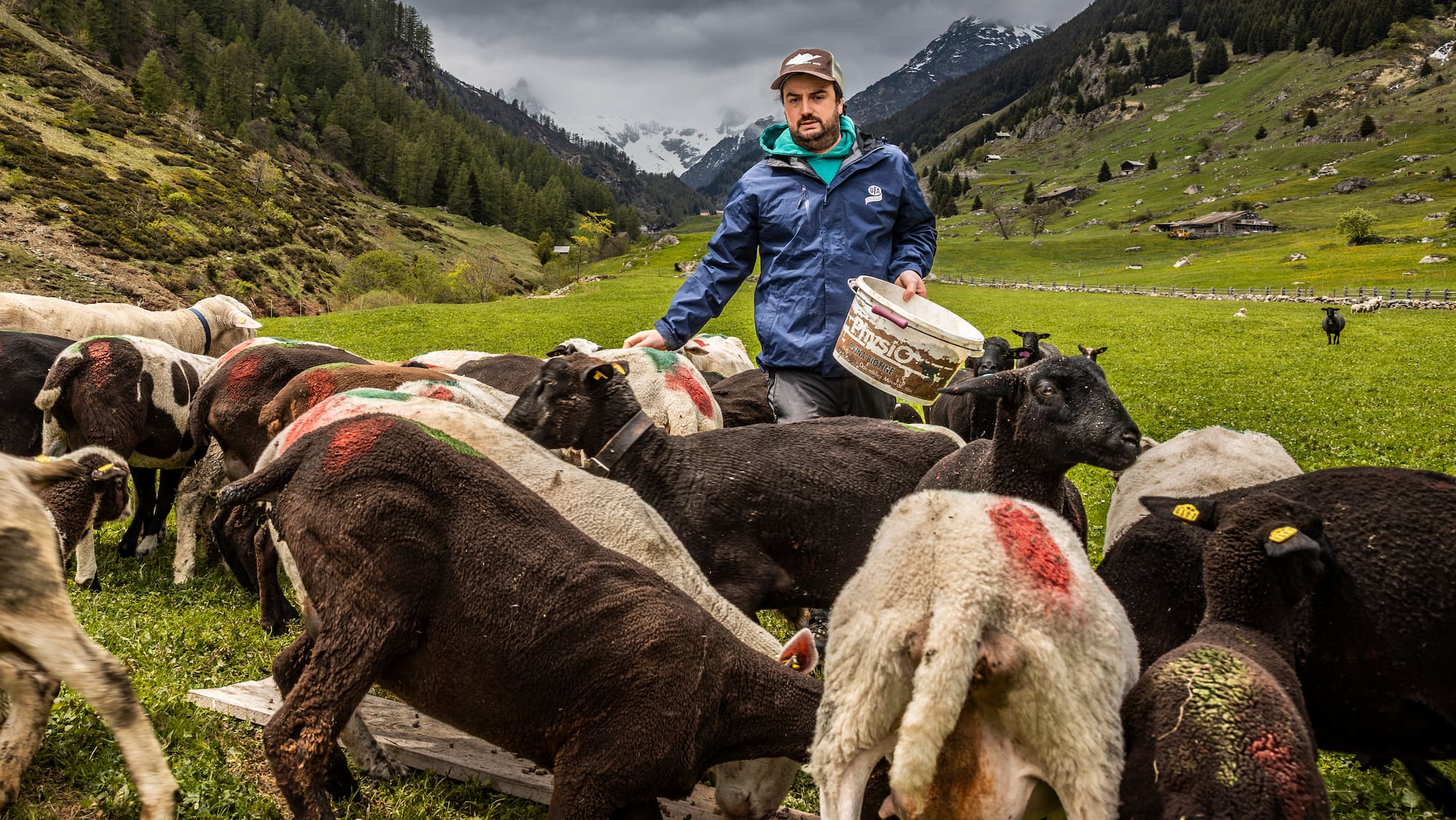
The outcome of the June 14 vote will determine whether the Zivildienst remains a viable option for young Swiss men or becomes a more restricted alternative to military service. With the federal government pushing for stricter rules and agricultural groups sounding alarms, the referendum has become a flashpoint in a national conversation about duty, labor, and the future of rural Switzerland.
“For me, Zivis are gold worth.” — Daniel Baumann, farmer in the Urner Meiental<!– /wp:paragraph The referendum’s result will ultimately shape whether Switzerland’s long-standing tradition of civil service remains accessible or faces significant curtailment under new regulations.
