The 13th Session of the United Nations World Urban Forum (WUF13) concluded in Baku on May 22, 2026, after hosting approximately 115,000 participants. The event focused on digital urban innovation, housing crises, and the integration of artificial intelligence into municipal governance strategies across diverse global contexts, including specific initiatives in Namibia and Ukraine.
Digital Tools for Urban Recovery and Informality
cluster (priority): MinCom.Gov.Az
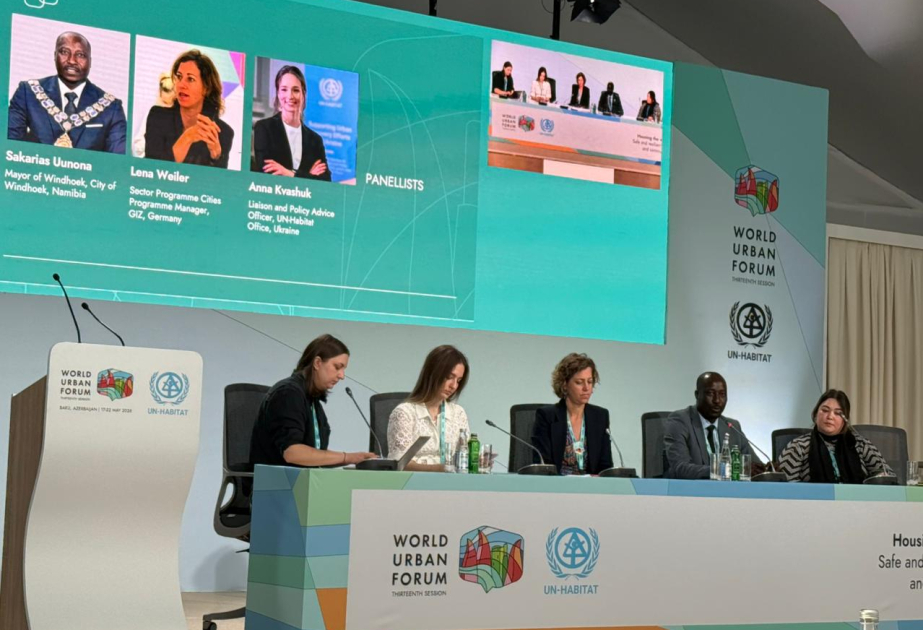
A significant portion of the forum’s technical discussions centered on a three-year project funded by the German Federal Ministry for Economic Cooperation and Development (BMZ) and implemented by the United Nations Innovation Technology Accelerator for Cities (UNITAC) in Hamburg. This initiative, highlighted during a session titled “Just Transitions in Practice. Co-Creating Digital Tools for Informality and Crisis,” showcased the practical application of data-driven urban planning in Namibia and Ukraine.
The project demonstrated how digital interventions can be tailored to radically different urban settings. In Namibia, the effort involved a multi-level partnership, working with the Namibian Statistics Agency to improve image-processing capacity for profiling informal settlements, and collaborating with local town councils in Rehoboth and Rundu to pilot a Digital Job Card. These tools, alongside the Urban Recovery Planning System, aim to support municipal planning frameworks by enabling robust data collection and management.
According to reporting from AZERTAC, the session emphasized the project’s role in addressing globally relevant challenges such as equitable access to basic services, climate impact mitigation, and displacement management. By integrating these platforms into local governance, the organizers sought to create a sustainable model for urban informality management.
Artificial Intelligence and the New Urban Governance
cluster (priority): trend.az
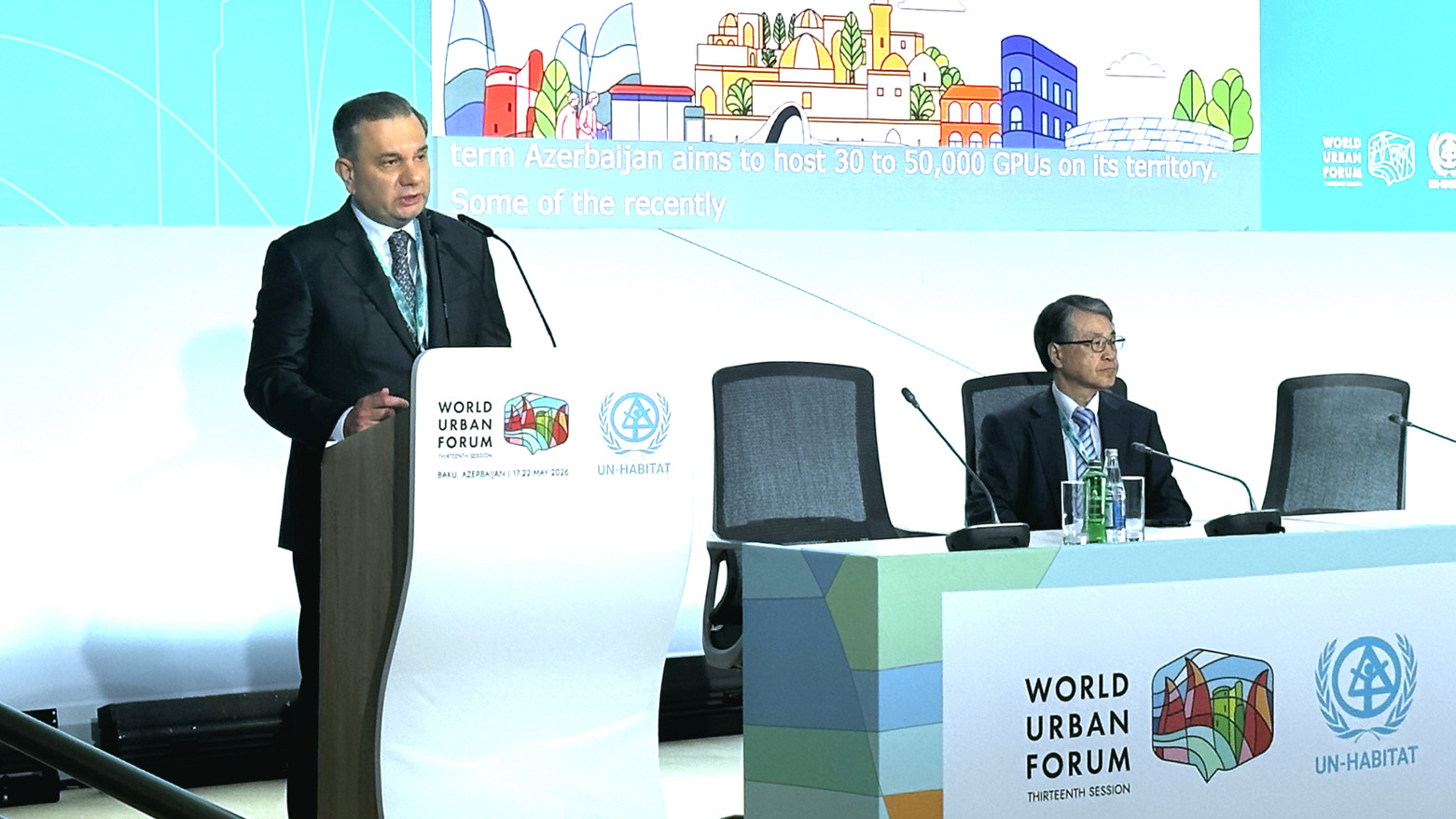
The integration of artificial intelligence into city management emerged as a central theme, with officials detailing national agendas aimed at creating more resilient and citizen-centric models. During a session on “Artificial Intelligence for Cities: Urban Planning and Building Smart, Sustainable Communities,” Azerbaijan’s Deputy Minister of Digital Development and Transport, Samir Mammadov, outlined the country’s efforts to establish itself as a regional data hub.
Mammadov noted that Azerbaijan is currently simulating urban mobility through “digital twin” capabilities provided by the Azerbaijan Land Transport Agency (AYNA), while also working to optimize freight planning at Azerbaijan Railways (ADY) and enhance passenger flow safety in the Baku Metro.
“Our goal is to transform our cities into a smarter, more resilient, and citizen-centric governance model,” Samir Mammadov, Deputy Minister of Digital Development and Transport, via MinCom.Gov.Az
The MinCom.Gov.Az report highlights that these initiatives are part of a unified ecosystem approach, leveraging the nation’s existing fiber-optic infrastructure and strategic geography to advance smart urbanization.
The UNITAC Platform and Global Strategic Planning
Making Innovation Work Better For Cities – Intro to Digital Transformation of Urban Planning – 1/5
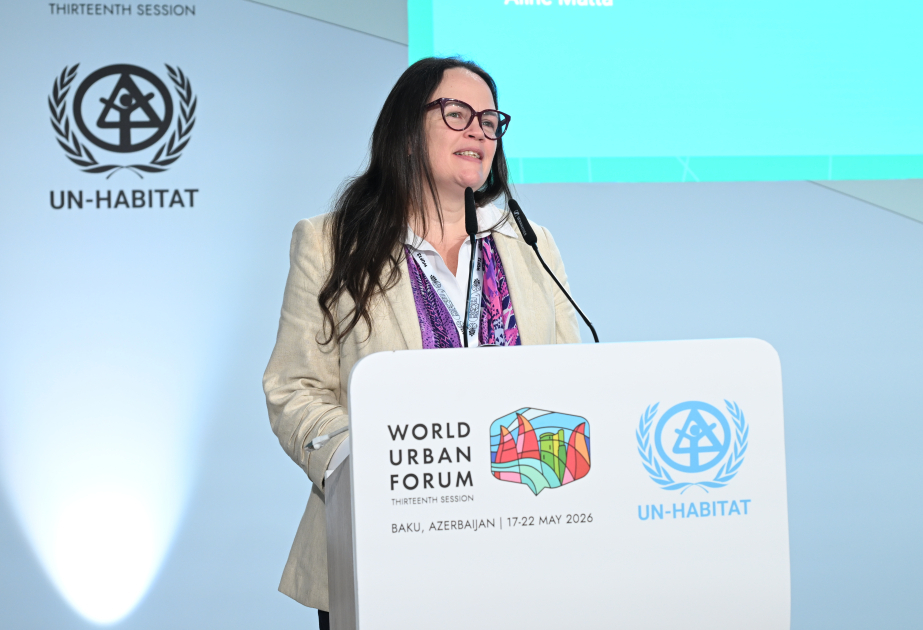
Aline Machado Da Matta, Head of the UN-Habitat Geneva Office and the United Nations Innovation Technology Accelerator for Cities (UNITAC), emphasized that successful smart city initiatives must prioritize participation and collaboration. Established in 2020, the UNITAC program serves as a support mechanism for the UN-Habitat’s Strategic Plan, focusing on the nexus of housing, land, and basic services.
In her address during the session on “Smart Cities in the Gulf Cooperation Council (GCC) and the Arab Region,” Machado Da Matta explained that the accelerator provides technical assistance, capacity building, and global advocacy to help regional governments navigate digital transformation.
“We support countries, regional governments and cities in developing smart city strategies, digital transformation strategies and artificial intelligence strategies,” Aline Machado Da Matta, Head of the UN-Habitat Geneva Office and UNITAC, via Apa.az
The Apa.az summary notes that the UNITAC platform, established in 2021, focuses on applying digital governance tools to fields such as geographic mapping, data visualization, and spatial analysis. According to Azərtac, this platform is the result of a partnership between UN-Habitat, the UN Office of Information and Communications Technology, and HafenCity University Hamburg.
Preserving Heritage Through Digital Transformation
cluster (priority): Azərtac
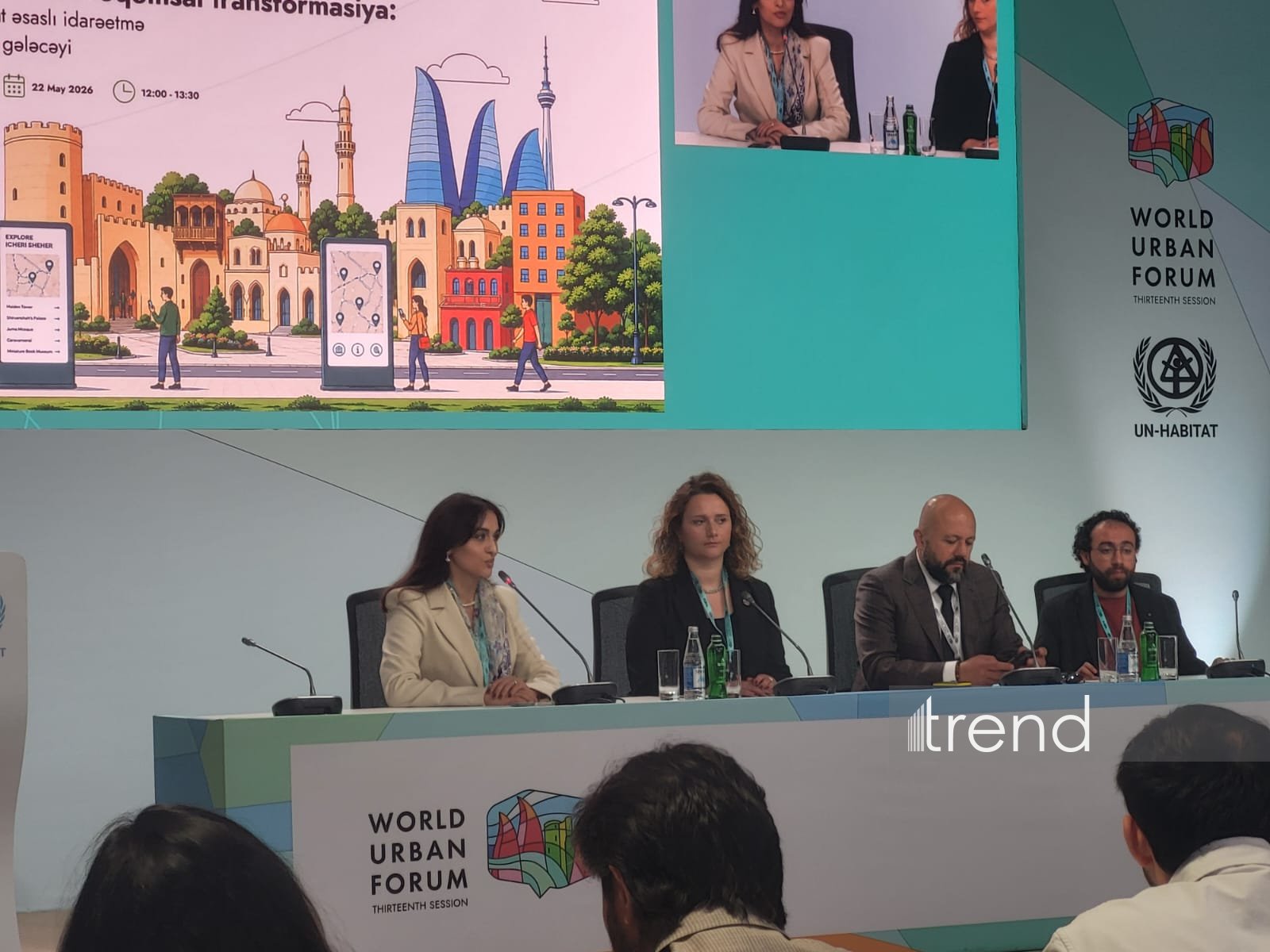
Beyond new construction and infrastructure, the forum addressed the role of technology in historic preservation. A panel titled “Digital Transformation in Historic Cities Smart Heritage” discussed the introduction of “smart heritage” systems designed to manage tourist flows and optimize transport mobility in culturally significant areas.
Trend.az reported that the discussion utilized examples from Icherisheher, Shusha, and Sheki to examine how data-driven decision-making can support the efficiency of urban governance while maintaining cultural integrity. The session included contributions from the Union of Architects of Azerbaijan and other international experts, aiming to produce actionable recommendations for sustainable, inclusive development within historic urban centers.
As the forum concluded on May 22, the event underscored a broader global shift toward treating digitalization not merely as a technical upgrade, but as an essential tool for implementing the New Urban Agenda. The focus remains on ensuring these digital services are accessible to vulnerable groups, aligning with the principles of participation and collaborative governance.
Bio:
John Smith is the World Editor at Headlinez.News, leading the global news desk and overseeing international correspondents. With 15 years of field experience across Europe, the Middle East, and Asia, John has reported from conflict zones, summits, and humanitarian missions. His deep understanding of geopolitical trends and cross-cultural reporting ensures that readers receive accurate, balanced perspectives on world events that shape the global narrative.
Expertise: International reporting, geopolitics, diplomacy, conflict journalism, foreign policy analysis.
Location: London, United Kingdom