
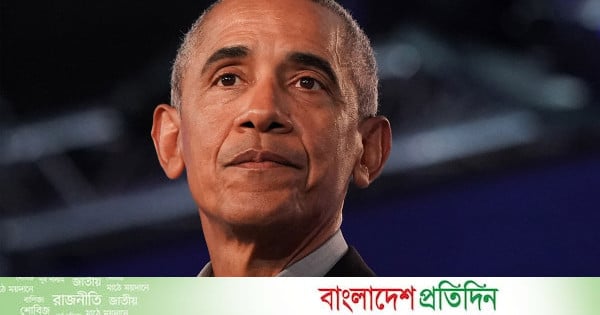
Former U.S. President Barack Obama expressed skepticism about a potential new nuclear deal between Washington and Tehran, stating it would not surpass the 2015 agreement he negotiated, according to multiple reports. Meanwhile, President Donald Trump claimed a deal would be signed by Saturday, though Iranian officials remained cautious. The tension highlights the fragile diplomatic efforts to ease decades-old hostilities.
Obama’s Skepticism and the Legacy of the 2015 Deal
Barack Obama, in remarks reported by bd-pratidin.com and Jugantor, argued that any new agreement between the U.S. and Iran would likely fall short of the 2015 nuclear deal he brokered. “Any new deal would not be significantly different or better than the one I negotiated,” he said, emphasizing that the 2015 accord, though later abandoned by the Trump administration, had proven effective for years. The former president also criticized the reliance on military pressure, stating, “It’s not possible to solve all problems with fear or bombing.”

The 2015 deal, formally known as the Joint Comprehensive Plan of Action (JCPOA), imposed strict limits on Iran’s nuclear program in exchange for sanctions relief. Trump withdrew the U.S. from the agreement in 2018, escalating tensions. Obama’s comments reflect concerns that a new pact might lack the same enforceable mechanisms, raising doubts about its long-term viability.
Trump’s Optimism and Iran’s Caution
President Donald Trump asserted on social media that a deal with Iran would be finalized by Saturday, promising that the Strait of Hormuz would remain “open for all.” According to the BBC, Trump’s statement came amid reports that Pakistan, a key mediator, anticipated a breakthrough within 24 hours. However, Iranian officials countered with skepticism. The Islamic Republic’s foreign ministry spokesperson, Ismael Qaani, told the BBC, “We will have to wait for the exact date, but it will not be tomorrow.”
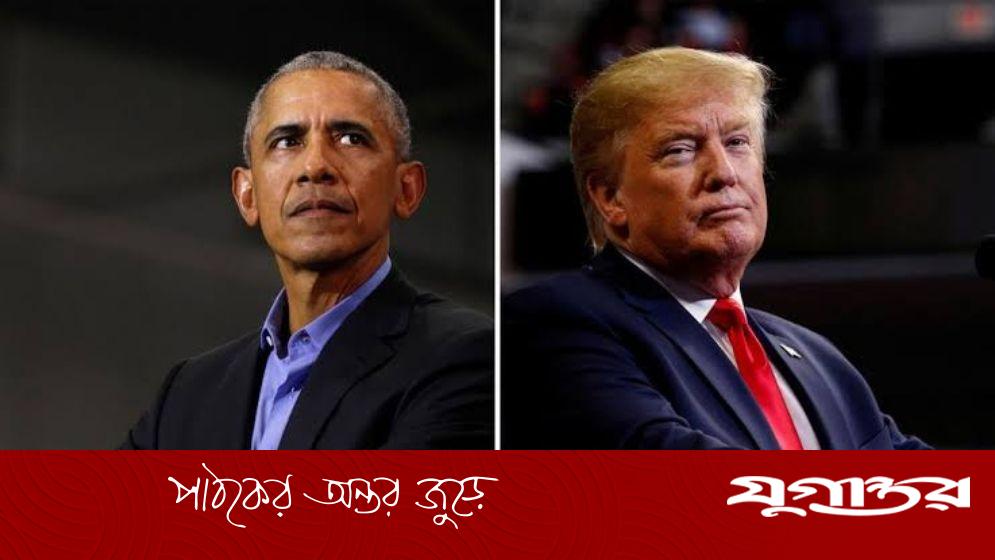
For more on this story, see US and Iran Near Peace Deal as Pakistan Mediates Potential Agreement.
The divergence in timelines underscores the complexity of the negotiations. While Trump’s administration has pushed for a rapid resolution, Iran has historically been wary of U.S. commitments, citing the 2018 withdrawal as a breach of trust. The BBC noted that Pakistan’s role as a facilitator adds another layer of regional diplomacy, with officials preparing for “electronic signing” of the agreement.
Pakistan’s Mediation and the Role of Regional Powers
Pakistan’s involvement in the talks highlights the broader geopolitical stakes. Prime Minister Shahbaz Sharif told the BBC, “We are closer than ever to a peace agreement.” This aligns with reports that Pakistani officials are actively working to bridge gaps between the U.S. and Iran. The country’s strategic position as a neutral ground for negotiations has made it a critical player in the process.
This follows our earlier report, US and Iran Nearing ‘Final, Agreed Upon Text’ of Peace Deal.
Meanwhile, Russian President Vladimir Putin’s recent call with Trump, as reported by the Daily Star Bangla, focused on the Iran-Ukraine conflict and broader Middle East issues. While details of the discussion remain vague, the conversation underscores the interconnected nature of global diplomacy. Putin’s office stated that both leaders emphasized the importance of resolving the Iran nuclear issue, though no specific commitments were outlined.
The Broader Implications for Regional Stability
The potential deal carries significant implications for regional stability. The Strait of Hormuz, a critical oil shipping lane, has been a flashpoint in U.S.-Iran tensions. Trump’s assurance of its “openness” aims to reassure global markets, but Iranian officials have previously threatened to close the strait in response to U.S. sanctions. The 2015 agreement had helped de-escalate such risks, and its absence has led to increased naval patrols and skirmishes in the area.
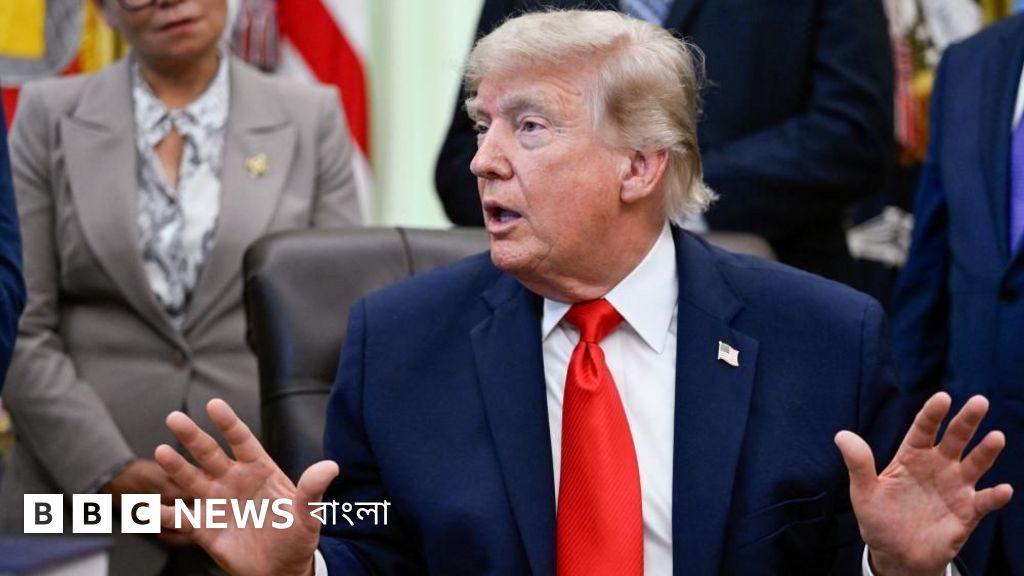
Read also: Trump to End Iran Naval Blockade Amid Tense Preparations for Possible Deal.
Analysts caution that without robust verification mechanisms, a new deal could face similar challenges. The BBC noted that Iran’s enrichment of uranium remains a sticking point, with the U.S. seeking stricter limits. Obama’s skepticism reflects concerns that without these safeguards, the agreement could fail, reigniting hostilities.
What Comes Next?
The next 24 to 48 hours will be critical. If a deal is signed, it could mark a turning point in U.S.-Iran relations, though its success will depend on implementation. If not, the lack of progress may deepen distrust. The involvement of regional powers like Pakistan and Russia suggests a multi-faceted approach, but the ultimate outcome hinges on the willingness of both Washington and Tehran to compromise.
As the clock ticks toward Saturday’s deadline, the world watches closely. The stakes are high: a successful agreement could ease tensions in the Middle East, while a failure risks further escalation. For now, the path forward remains uncertain, with both sides navigating a delicate balance of diplomacy and skepticism.
Find more reporting in our World section.
