
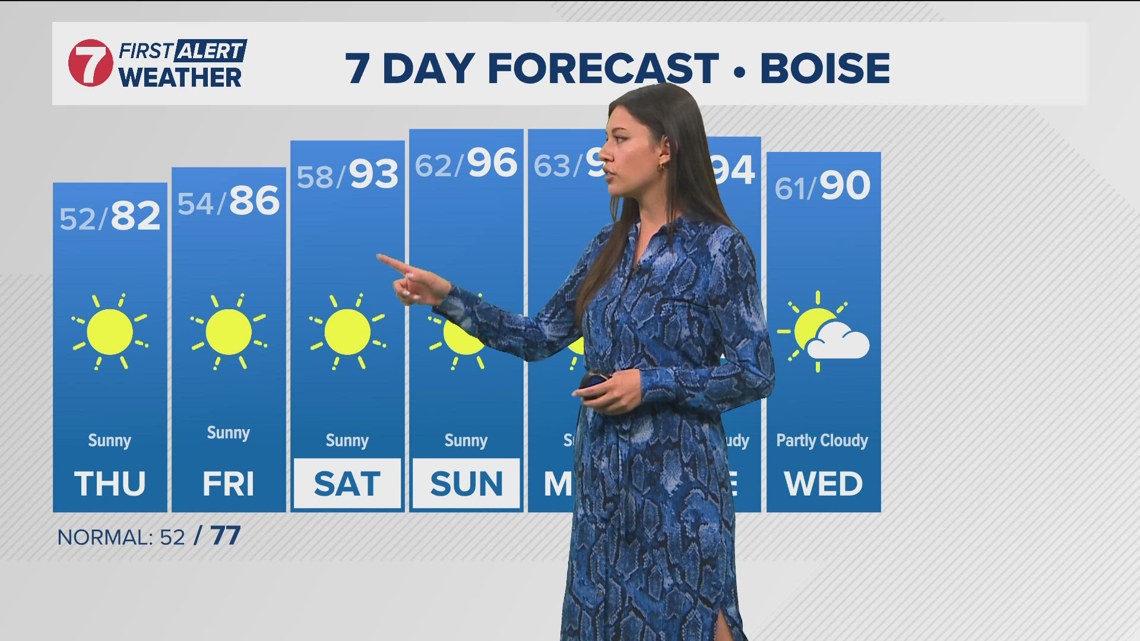
Looking for todayS Boise weather forecast? Beyond the sunny skies, we’ll explore the emerging trends shaping how Boise residents access and understand their weather, from hyperlocal updates to the impact of climate change. Discover where to find the most reliable weather details and how AI is revolutionizing weather forecasting in the years to come.
Boise’s Weather Forecast: Sunny Skies and Shifting Trends
Table of Contents
As a seasoned journalist, I’ve spent years tracking weather patterns and their impact. Today, we’re focusing on Boise, Idaho, and teh forecast of sunny skies and light winds. But beyond the immediate weather, let’s delve into the broader trends shaping how we understand and interact with weather data.
The Rise of Hyperlocal Weather Data
The KTVB report highlights the local focus. This is a key trend.People crave information that directly impacts their lives. Hyperlocal weather forecasts, down to the neighborhood level, are becoming increasingly common. This includes detailed data on temperature, wind speed, and even air quality. This shift is driven by advancements in technology, allowing for more granular data collection and analysis.
Pro Tip: Consider using weather apps that allow you to customize alerts based on your location and specific needs,such as outdoor activities or health concerns.
Mobile Apps and Real-Time Updates
The availability of the KTVB app underscores the importance of mobile access. Weather information is no longer confined to television or newspapers. Mobile apps provide real-time updates, push notifications, and interactive maps. This accessibility is crucial for staying informed, especially during severe weather events.
Did you know? The National Weather Service (NWS) has significantly improved its mobile app and website to provide more accurate and timely weather alerts.
The Impact of Climate Change
While the immediate forecast might be sunny, it’s impossible to ignore the larger context of climate change. Rising temperatures, changing precipitation patterns, and an increase in extreme weather events are impacting weather forecasts globally. This necessitates a deeper understanding of long-term trends and their potential consequences.
Case Study: The increasing frequency of wildfires in the Western united States is directly linked to climate change,impacting air quality and requiring more sophisticated weather forecasting to predict fire behavior.
The Future of Weather Forecasting
Looking ahead, we can expect several key developments:
- AI-Powered forecasting: Artificial intelligence and machine learning are being used to analyze vast datasets and improve the accuracy of weather predictions.
- Enhanced Data Visualization: Interactive maps, 3D models, and augmented reality will make weather information more accessible and engaging.
- Integration with Smart Devices: Weather data will be seamlessly integrated into smart homes, vehicles, and wearable devices, providing personalized alerts and recommendations.
Frequently Asked Questions
Q: How accurate are weather forecasts?
A: Accuracy varies depending on the timeframe.Short-term forecasts (1-3 days) are generally very accurate,while long-range forecasts (10+ days) are less so.
Q: Where can I find the most reliable weather information?
A: The National Weather Service (NWS) and reputable local news sources are excellent resources.
Q: How can I prepare for severe weather?
A: Stay informed, have a plan, and create an emergency kit.
Q: What is the difference between a weather watch and a weather warning?
A: A watch means conditions are favorable for severe weather,while a warning means severe weather is imminent or occurring.
Reader Question: What are your biggest concerns about the future of weather forecasting?
I hope this article has provided valuable insights into the current and future trends in weather forecasting. share your thoughts and experiences in the comments below. Also, explore our other articles on related topics, or subscribe to our newsletter for more updates.
