
The coastline’s beauty beckons, but hidden dangers often lurk beneath the surface. This article explores future trends in coastal safety and risk mitigation, revealing how technology and community efforts are evolving to protect beachgoers and coastal communities from the rising tide of hazards. Discover cutting-edge strategies for safer shores and a deeper understanding of coastal safety challenges ahead.
The Perilous Allure: Future Trends in Coastal Safety and Risk Mitigation
Table of Contents
the allure of the ocean, especially during the summer months, draws countless individuals to coastal areas worldwide. Though, as the provided data from Honolulu’s east side reveals, this attraction frequently enough comes with significant risks.Understanding these dangers and anticipating future trends in safety measures is crucial for protecting lives and preserving the beauty of our shorelines.
The Rising Tide of Coastal Hazards: What’s Driving the Risks?
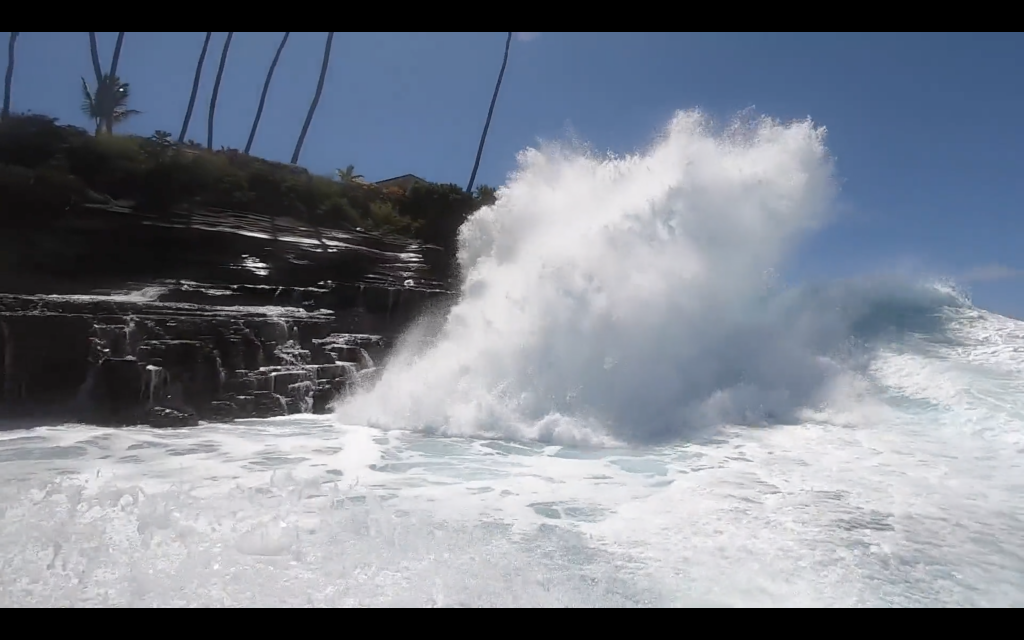
The statistics from areas like China Walls and Spitting Caves highlight a persistent problem: dangerous water activities. These locations,with their dramatic cliffs and powerful waves,are magnets for thrill-seekers. But the inherent risks – strong currents, unpredictable waves, and the depth of the water – frequently enough lead to tragic outcomes. The Honolulu Fire Department‘s frequent responses underscore the urgency of the situation.
Beyond the immediate dangers, several factors are likely to exacerbate these risks in the future:
- Increased Coastal Tourism: As global travel continues to rebound and grow, more people will be drawn to coastal destinations, increasing the potential for accidents.
- Climate Change Impacts: Rising sea levels and more frequent extreme weather events, such as high surf conditions, will make coastal areas even more hazardous.
- Social Media Influence: The spread of videos and images showcasing risky behavior can encourage others to imitate these actions, leading to more incidents.
Did you know? The National Oceanic and Atmospheric Administration (NOAA) predicts a rise in sea levels,which will further erode coastal areas and increase the unpredictability of wave patterns.
Technological Advancements in Coastal Safety: A Glimpse into the Future
Fortunately,technological innovations offer promising solutions for mitigating coastal risks. We can expect to see significant advancements in several areas:
- Real-time Monitoring Systems: Advanced sensor networks, including wave buoys and underwater cameras, can provide real-time data on wave conditions, currents, and water visibility. This information can be used to issue timely warnings and alerts.
- AI-Powered Predictive Analytics: Artificial intelligence can analyze historical data, weather patterns, and real-time sensor data to predict high-risk periods and locations. This allows for proactive deployment of resources and targeted safety campaigns.
- Drone Technology: Drones equipped with thermal imaging and high-resolution cameras can be used for rapid search and rescue operations, as well as for monitoring areas prone to dangerous activities.
- Improved Communication Systems: Enhanced communication networks, including satellite-based systems, can ensure reliable communication between first responders, lifeguards, and the public, even in remote areas.
pro Tip: Consider investing in a personal locator beacon (PLB) if you frequently engage in water activities in remote areas. These devices can quickly alert emergency services in case of an accident.
Community Engagement and Education: The Human Element
While technology plays a crucial role, community engagement and education remain essential components of coastal safety. Future trends will likely emphasize:
- Targeted Safety Campaigns: Tailored educational programs that address specific risks associated with particular locations and activities.
- Increased Signage and warnings: Clear and prominent signage, including multilingual warnings, to alert visitors to potential dangers.
- Community Partnerships: Collaboration between local authorities, tourism operators, and community organizations to promote safe practices and raise awareness.
- Virtual Reality Training: Immersive VR experiences can simulate dangerous coastal conditions, allowing individuals to learn how to react in emergency situations without putting themselves at risk.
Case Study: The implementation of a comprehensive coastal safety program in a popular tourist destination, incorporating real-time monitoring, targeted education, and community involvement, resulted in a 30% reduction in water-related incidents within the first year.
Frequently Asked Questions (FAQ)
Q: What are the most common dangers in coastal areas?
A: Strong currents, unpredictable waves, underwater hazards, and the depth of the water are the most common dangers.
Q: How can I stay safe while enjoying coastal activities?
A: Always check weather and surf conditions, swim in designated areas, never jump or dive into unkown waters, and be aware of your surroundings.
Q: What role does technology play in coastal safety?
A: Technology provides real-time monitoring, predictive analytics, and rapid response capabilities, enhancing safety measures.
Q: What should I do if I see someone in distress in the water?
A: Call for help immediately (911 or your local emergency number), and if you are trained, attempt a rescue using appropriate safety equipment.
Q: How can I contribute to coastal safety?
A: Educate yourself and others about coastal hazards, support local safety initiatives, and report any unsafe conditions you observe.
The future of coastal safety hinges on a combination of technological innovation, community engagement, and proactive risk management. By understanding the evolving challenges and embracing these trends, we can work towards creating safer and more enjoyable experiences for everyone who visits our beautiful coastlines.
Want to learn more about coastal safety? Explore our other articles on water safety tips, and share your own experiences and insights in the comments below!
