
could a silver mane be more than just a sign of aging? Recent research suggests a surprising link between graying hair and the body’s ability to fight cancer, offering a new understanding of the complex interplay between aging and disease. A study examining cellular damage in mice indicates that the processes leading to loss of hair pigment may also activate defenses against tumor progress [[2]]. While not a cure or preventative measure, the findings shed light on how the body responds to and perhaps mitigates the risk of cancer development [[1]], [[3]].

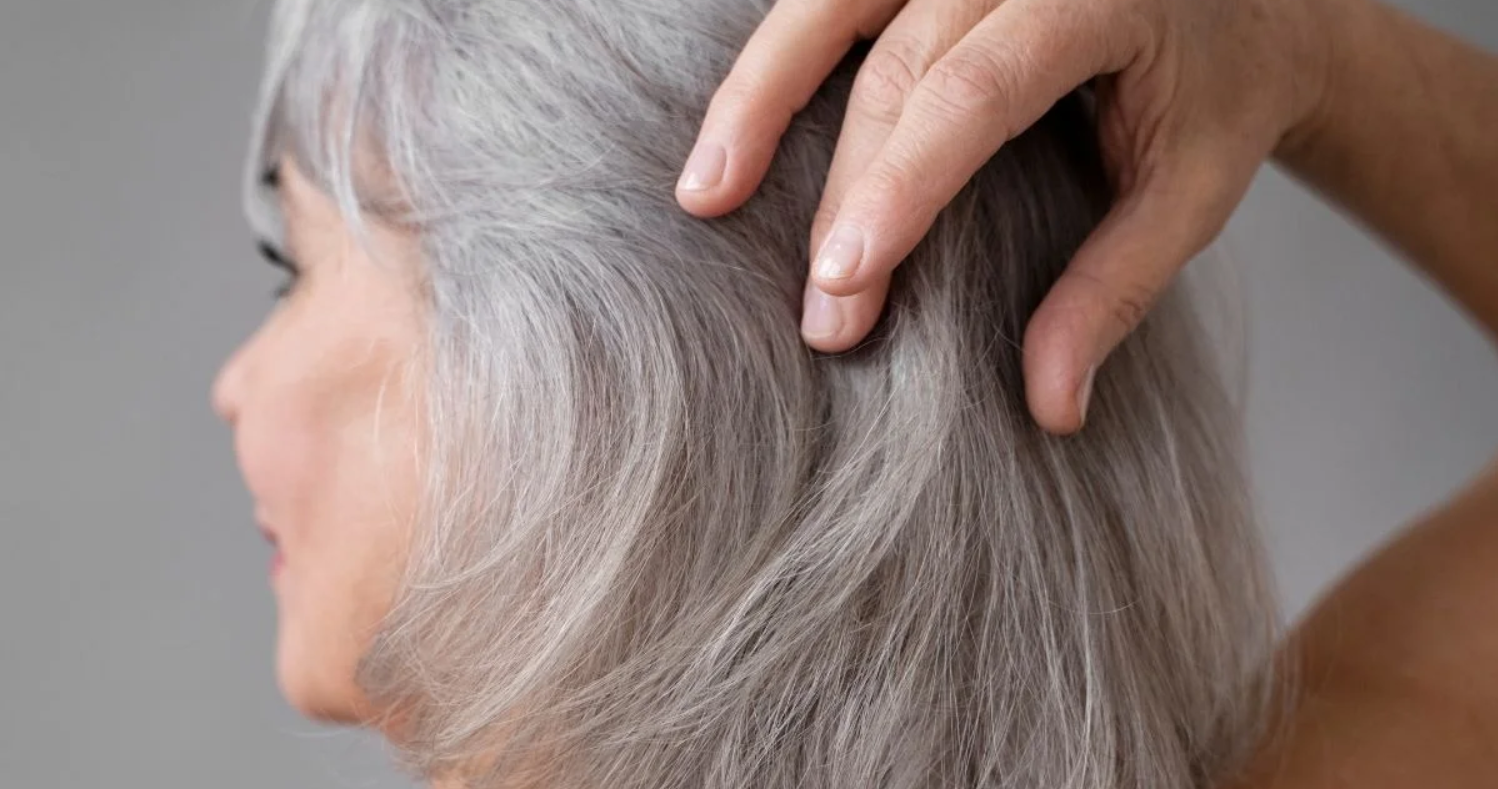
Graying hair may not simply be a sign of aging, but could indicate the body’s natural defense mechanisms against cancer, according to recent research. The findings offer a new perspective on the biological processes linked to both aging and disease.
A study conducted on mice revealed that processes involved in the loss of hair pigmentation are also part of the body’s strategies to prevent damaged cells from developing into tumors. Researchers investigated how the body manages accumulated cellular damage, a process central to both aging and cancer development.
When damage accumulates, cellular function declines, contributing to the aging process. In cancer, unrepaired errors can trigger uncontrolled growth of tumor cells. The study observed that the interruption of hair pigmentation may be connected to the activation of mechanisms that prevent compromised cells from multiplying.
The research focused on melanocyte stem cells, which reside within hair follicles. These cells supply melanocytes – the pigment-producing cells responsible for hair and skin color. Normally, these stem cells continuously renew, maintaining the necessary supply of melanin to keep hair colored throughout life.
