

Israel’s military intensified strikes in southern Lebanon on June 5, 2026, after ordering evacuations of nine villages, killing six people and displacing thousands. The attacks followed Hezbollah’s rejection of a US-brokered ceasefire, escalating tensions in a conflict that has drawn Lebanon into the broader Iran-Israel war.
Escalation in Southern Lebanon: Evacuations, Strikes, and Humanitarian Crisis
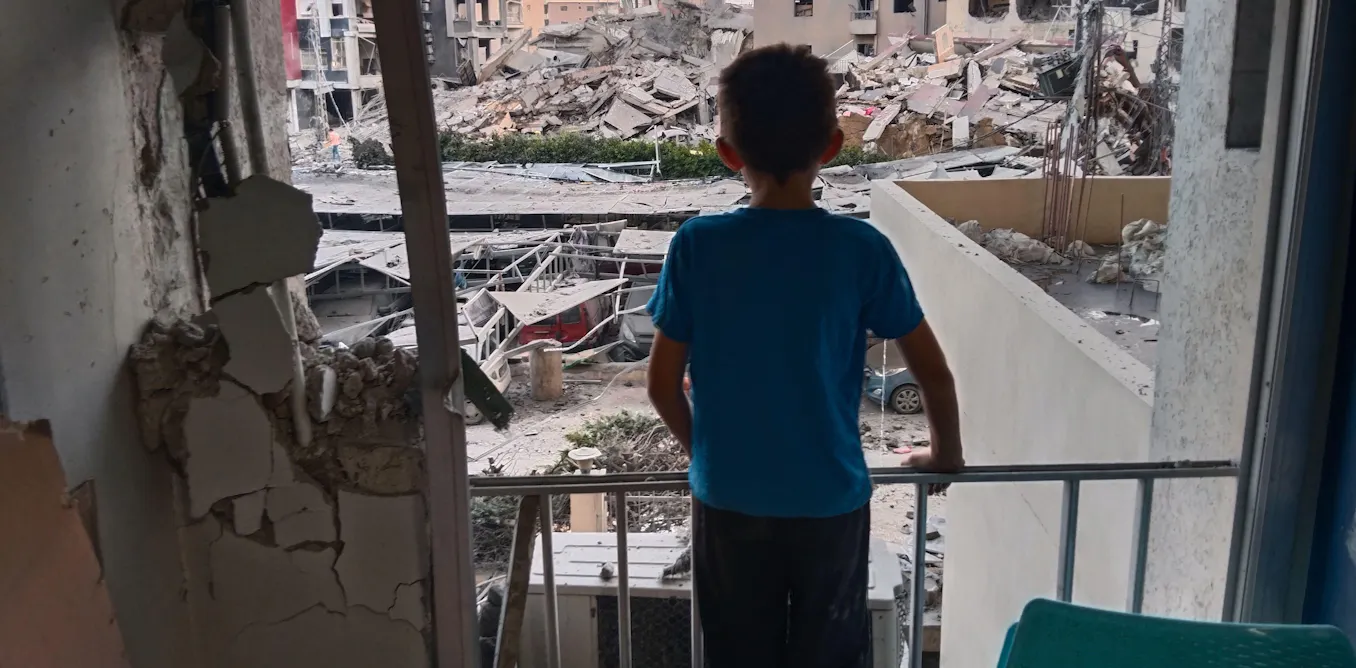
Israel issued forced evacuation orders for nine villages in southern Lebanon ahead of airstrikes that killed six people on June 5, 2026, as the conflict between Israel and Hezbollah showed no signs of abating. The Israeli military targeted areas including Anqoun, a village hosting 2,500 displaced people, and Kfar Tebnit, a town near Beaufort Castle, which Israeli troops captured earlier in the week. Roads leading to Sidon were clogged with vehicles as families fled, while drone strikes and artillery bombardments devastated the region. The Lebanese prime minister, Nawaf Salam, condemned the violence, stating, “Lebanon can no longer be a field for wars fought for others, nor can the south [of Lebanon] and its people continue to pay the price for decisions they did not make.”

The strikes came a day after Hezbollah rejected a US-brokered ceasefire agreement, which would have allowed Israel to continue airstrikes while requiring the militant group to halt its attacks. Hezbollah called the deal “tantamount to surrender,” and its leader, Hassan Nasrallah (assassinated in 2024), had previously warned that inaction would expose Lebanese cities and public figures to “exposure.” The Lebanese government, meanwhile, banned Hezbollah’s military wing, ordering security forces to “prevent any attacks originating from Lebanese territory.” Despite these measures, Hezbollah continued its rocket barrages on northern Israel, deepening the cycle of retaliation.
The Failed Ceasefire and Hezbollah’s Unyielding Stance
The collapse of the US-brokered ceasefire highlighted the deep rifts between Israel and Hezbollah, with both sides framing their actions as necessary for self-defense. Israel’s prime minister, Benjamin Netanyahu, justified the invasion of southern Lebanon by declaring, “Israel has every right to remove this threat, and return our citizens to their homes safely.” Hezbollah, however, rejected the deal, demanding an unconditional ceasefire and the withdrawal of Israeli troops from Lebanese territory. The group’s parliamentary speaker, Nabih Berri, stated that Hezbollah would only withdraw from the area south of the Litani River if Israel withdrew first, criticizing proposed “pilot zones” as insufficient.
For more on this story, see Hezbollah and Israel Extend Ceasefire Amid Ongoing Fighting.
The failed ceasefire has left civilians caught in the crossfire. According to The Conversation, over 3,000 people have been killed and 1 million displaced since Israel’s ground offensive expanded in mid-April. The conflict has also strained Lebanon’s already fragile infrastructure, with Hezbollah’s attacks causing “severe disruption to everyday life” and Israel’s strikes targeting villages and civilian areas. The Lebanese prime minister’s calls for restraint have been met with skepticism, as both sides continue to escalate their military campaigns.
Geopolitical Tensions and the Role of External Actors
The conflict in southern Lebanon is deeply intertwined with the broader Iran-Israel war, with Hezbollah acting as Iran’s proxy in the region. The United States, which brokered the ceasefire, faces pressure to balance its support for Israel with efforts to de-escalate the crisis. Israeli leaders, however, have shown little willingness to compromise, with Prime Minister Netanyahu vowing to “hold both ends of the stick” by pursuing diplomacy while maintaining military operations. This dual approach aims to satisfy both the Trump administration’s diplomatic goals and domestic constituencies, including security-conscious Israelis and right-wing political allies.
The Foreign Affairs analysis notes that Israel’s military strategy involves creating a buffer zone in southern Lebanon, with the IDF razing villages and expanding its presence near Beirut. This has drawn criticism from international observers, who warn that the conflict risks further destabilizing the region. Meanwhile, Hezbollah’s continued attacks on Israeli territory have forced Israel to maintain a heavy military footprint, complicating any prospects for a lasting resolution. As one Israeli analyst noted, “The strategic whiplash between diplomacy and warfare will continue unless there is a clear commitment to peace from both sides.”
What Comes Next? A Region on the Brink
With no immediate resolution in sight, the situation in southern Lebanon remains volatile. Israel’s military operations show no signs of slowing, and Hezbollah’s defiance suggests the group will continue its attacks unless its demands are met. The Lebanese government, caught between its own citizens and external pressures, faces a difficult balancing act. As the conflict enters its second year, the humanitarian toll continues to rise, with thousands displaced and infrastructure in ruins.

The upcoming Israeli elections in the fall add another layer of complexity, as Netanyahu’s government seeks to maintain a hardline stance to secure political support. Meanwhile, the US and its allies will likely continue pressuring both sides to return to the negotiating table, though past efforts have yielded little progress. For now, the region remains on the brink, with each side unwilling to cede ground in a conflict that has become as much about political posturing as it is about security.
As the fighting continues, the human cost grows, and the prospects for a durable ceasefire remain uncertain. The cycle of violence shows no signs of abating, leaving southern Lebanon—and the broader Middle East—in a state of perpetual tension.
The Guardian | The Conversation | <a href="https://www.foreignaffairs.
<!– /wp:paragraph The escalating hostilities underscore the urgent need for international mediation to break the impasse before civilian casualties and regional instability deepen further.