
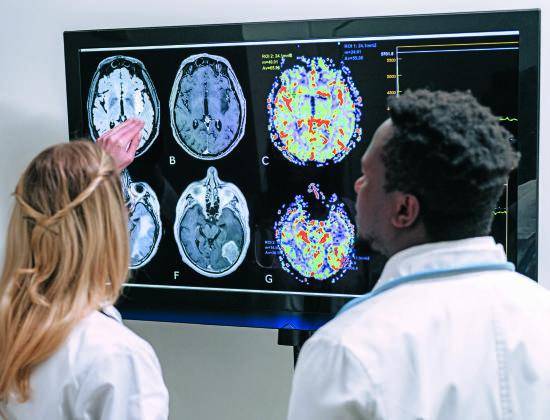
Medellín, Colombia is on the cusp of becoming a leader in cerebrovascular care, implementing a novel approach to rapidly treat stroke and other neurological emergencies. A new collaborative agreement between the World Institution for Cerebrovascular Disease, the Medellín Mayor’s Office, and CES University aims to establish the city as a “Neuroprotected District,” prioritizing swift and coordinated responses to life-threatening brain events. The initiative addresses a critical public health need – stroke is a leading cause of disability and mortality in Colombia – and could serve as a model for other cities facing increasing rates of neurological disease due to aging populations.
Medellín, Colombia is taking a significant step forward in the treatment of neurological diseases, a leading cause of disability and death in the country. A new agreement between the World Organization for Cerebrovascular Disease, the Medellín Mayor’s Office, and CES University aims to ensure rapid and coordinated care for anyone experiencing an acute brain event, primarily stroke.
This initiative comes as stroke remains a major public health concern globally, and particularly in Colombia, where, according to the Ministry of Health and Social Protection, the condition occurs when blood supply to the brain is interrupted, depriving brain cells of oxygen and nutrients. Without immediate medical attention, this can lead to severe and lasting damage to mobility, speech, and cognitive function.
“Stroke is the most costly disease for healthcare systems due to the resulting complications,” explained Alejandro Vargas, a medical epidemiologist. “In Medellín and the surrounding metropolitan area, we can see more than 10 cases a day. The best neurologists in Colombia are here. When it comes to cerebrovascular disease, every minute saved equates to neurons saved.”
Colombia’s healthcare spending compared to other nations is also a key factor in addressing these challenges.
What is a Neuroprotected District?
Cerebrovascular diseases are a growing global health problem. In Medellín, the Emergency Medical System (SEM) has already treated 350 people suffering from stroke, with 83% experiencing minimal long-term effects. This success highlights the potential of proactive, coordinated care.
“Becoming a Neuroprotected District has significant implications, as it signifies a collaboration between administrative, political, and scientific entities to commit to providing timely care throughout the city,” said Andrés Rubiano, president of the International Committee on Neurotrauma and Neurological Intensive Care of the American Association of Neurosurgeons.
The primary goal of this agreement is to reduce the lasting effects and deaths caused by cerebrovascular diseases, and to ensure a swift response to any event, regardless of location within the city. This model relies on a network of healthcare providers working together as a unified scientific and clinical team.
A key component of the agreement involves reviewing protocols across institutions to ensure staff are up-to-date on best practices for stroke care.
Experts predict that the increasing aging population and declining birth rates worldwide will lead to a rise in cerebrovascular diseases, reinforcing the need for more cities to become neuroprotected districts.
“I urge the government to develop a data-driven public health policy, rather than relying on assumptions,” explained Jorge Celis, a vascular neurologist at Clínica Cardio VID. “This country is aging and will face a growing number of diseases that require rapid attention.”
Urabá: The Next Destination
The project is planned to expand to other areas of the department. Hospitals and clinics in the Urabá region of Antioquia, including Clínica Panamericana, have already begun discussions to integrate the strategy.
“Hopefully, Apartadó will also become a Neuroprotected District,” said Luz Marina Loaiza, a resident of Apartadó. “My father-in-law, who was 67 and lived in Murindó, suffered a stroke. We had to transport him to Apartadó by helicopter. The consequences were severe because he had to wait a long time to receive care.”
The project will be presented in Urabá next week.
Experts anticipate a future system of strengthened subregions, supported by telemedicine and intermediate centers capable of responding to urgent neurological conditions.
What is a Neuroprotected District?
A Neuroprotected District is a designated area where strategies and resources are implemented to prevent and treat neurological diseases such as stroke, epilepsy, multiple sclerosis, Parkinson’s disease, and Alzheimer’s disease, among others. Establishing these districts is a proactive approach to improving neurological care.
According to experts, stroke can be prevented through a healthy lifestyle, regular exercise, a balanced diet, and avoiding alcohol and tobacco.
Early diagnosis is crucial for reducing complications and preventing permanent brain damage.
“There are early warning signs to watch for: a drooping face, difficulty speaking, and weakness on one side of the body. If you experience any of these symptoms, you should act quickly and seek immediate medical attention,” indicated neurosurgeon Boris Pabón.
