
South Africa to Launch Twice-Yearly HIV Prevention Jab, Supply Initially Limited
South Africa’s health minister announced today the rollout of lenacapavir, the world’s first twice-yearly HIV prevention injection, though initial doses will be limited to approximately 456,000 people in the country with the highest HIV prevalence globally.
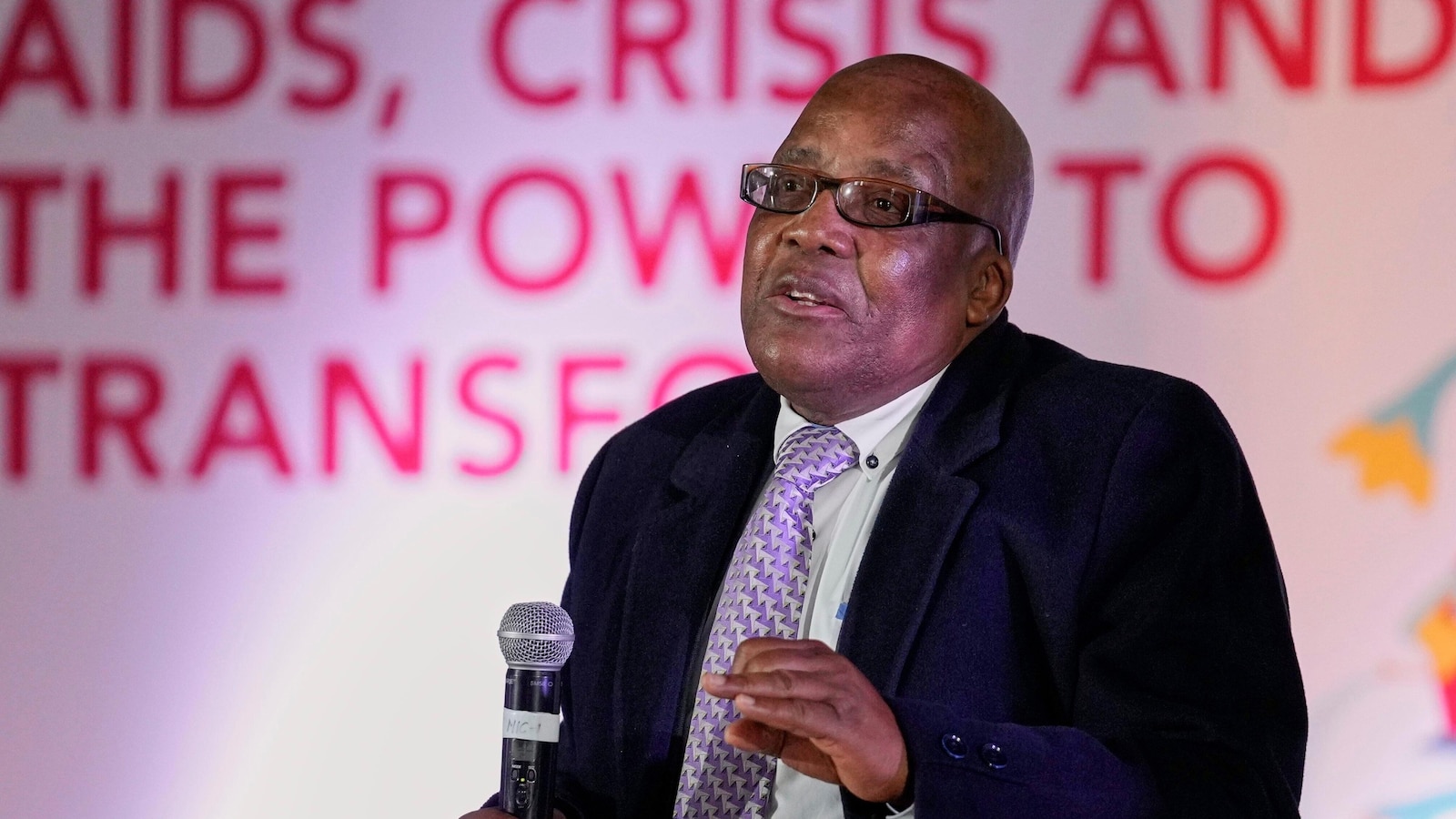
The program, slated to begin in April 2026, is funded by a $29.2 million grant from the Global Fund and an additional $5 million from the Networking HIV and AIDS Community of Southern Africa (NACOSA). Minister Aaron Motsoaledi stated at a national healthcare roundtable in Johannesburg that the funding will provide around 912,000 doses over two years, initially targeting 23 high-incident districts across six provinces and 360 high-performing public clinics. “About half a million people will be able to begin using lenacapavir, and thanks to this support, but demand will likely outstrip supply at first,” Motsoaledi said, emphasizing the prioritization of vulnerable populations. This new preventative measure arrives as global efforts to combat HIV face increasing challenges.
Despite welcoming the investment, Minister Motsoaledi cautioned against complacency, citing significant funding cuts from USAID and other U.S. government sources earlier this year that have severely impacted HIV/AIDS and tuberculosis programs. Gilead Sciences has reduced the annual cost of lenacapavir from an initial estimate of $28,000 to $40,000 per person, but South Africa aims for independent, long-term funding through integration into the national essential medicines list. The World Health Organization recommended lenacapavir in July as an additional prevention option.
Concerns were raised regarding Gilead’s voluntary licensing agreements, which excluded South African manufacturers despite their participation in clinical trials. Sheila Mbele-Khama of the South African National Aids Council (SANAC) criticized the decision, stating, “This is not the principle of ubuntu…You can’t come in the house to ask us to allow you to learn and then you run away, you no longer include us.” Gilead’s country manager, Wendy Cupido, explained that evaluated South African manufacturers did not currently meet the technical specifications for sterile injectable production, but remained open to future licensing if capabilities improve. UNAIDS South Africa country director Eva Kiwango noted that long-acting injectables are a “fresh option for all people at risk” at a time when global funding cuts threaten to reverse progress against the epidemic, potentially leading to 6 million additional infections by 2029, according to UNAIDS.
The two-day roundtable will conclude tomorrow, with officials continuing discussions on implementation strategies and long-term sustainability of the lenacapavir program.
