
Are you prepared for the future of coastal progress and land use? This article explores the complex intersection of dredged material and land ownership, highlighting emerging trends and legal frameworks.Discover how innovative uses of dredged material are shaping economic opportunities and promoting environmental sustainability in the face of increasing coastal growth.
Table of Contents
Published May 22, 2024
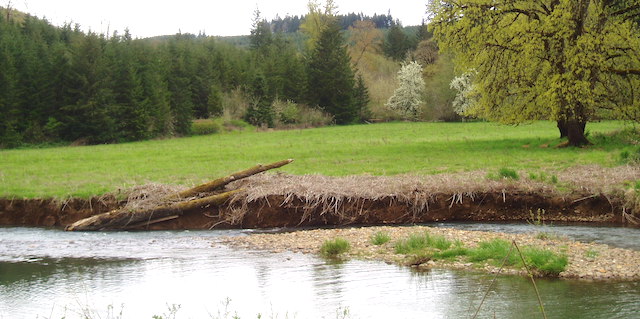
- Dredging operations can create new land, but ownership and environmental concerns must be addressed. (Image: [Insert relevant image source])
the intersection of land use, dredging, and property rights is a complex and evolving field. Recent legislative actions, like the Oregon bill discussed in the provided article, highlight the ongoing need to clarify ownership and address the environmental and economic implications of using dredged material. Let’s delve into the potential future trends shaping this landscape.
the Rise of Coastal Growth and Dredging
Coastal regions worldwide are experiencing significant population growth and economic development. This trend fuels the need for dredging to maintain navigable waterways, expand ports, and create new land for development. The demand for dredged material is increasing, making it a valuable resource. However, this also intensifies the need for clear regulations and sustainable practices.
Real-Life Example: The expansion of the Panama Canal involved massive dredging operations, creating new land and considerably impacting the region’s economy. this project underscores the potential benefits and challenges associated with large-scale dredging.
Key Trends:
- Increased Dredging Activity: Expect more dredging projects to accommodate larger ships and support coastal infrastructure.
- Land Reclamation: Dredged material will continue to be used for land reclamation, especially in areas with high land values.
- Environmental Regulations: Stricter environmental regulations will govern dredging operations to minimize ecological impacts.
Ownership Disputes and Legal Frameworks
As the Oregon case illustrates, clarifying land ownership when dredged material is involved is crucial.Ambiguous laws and past practices can lead to disputes and uncertainty. Future trends point towards more complete legal frameworks to address these issues.
Case Study: In the Netherlands, extensive land reclamation projects have been meticulously planned and regulated, resulting in clear ownership and sustainable land use. This provides a model for other regions facing similar challenges.
Key Trends:
- Clearer Ownership Laws: Governments will enact clearer laws to define ownership of land created from dredged material.
- Improved Record-Keeping: Digital mapping and land registries will enhance clarity and reduce ownership disputes.
- Public-Private Partnerships: Collaboration between goverment and private entities will be essential for managing dredging projects and land ownership.
Sustainable Dredging and Environmental Considerations
The environmental impact of dredging is a major concern. Future trends emphasize sustainable dredging practices that minimize harm to marine ecosystems and promote beneficial reuse of dredged material.
Data Point: According to the U.S. Army Corps of Engineers, the beneficial use of dredged material, such as for habitat restoration and beach nourishment, has increased significantly in recent years, demonstrating a shift towards more sustainable practices.
Key Trends:
- Beneficial Reuse: More dredged material will be used for habitat restoration, beach nourishment, and construction projects.
- Advanced Dredging Technologies: Innovations in dredging technology will reduce environmental impacts, such as turbidity and sediment disturbance.
- Environmental Impact Assessments: Comprehensive environmental impact assessments will be mandatory for all dredging projects.
Economic Opportunities and Innovation
Dredging and the use of dredged material offer significant economic opportunities. Innovation in this field is driving new applications and creating value.
Pro Tip: Explore the potential of using dredged material for creating artificial reefs, which can enhance marine biodiversity and provide recreational opportunities.
Key Trends:
- New Applications: Dredged material will be used in innovative ways, such as in construction materials and as a soil amendment.
- Circular Economy: The focus will shift towards a circular economy model, where dredged material is viewed as a valuable resource.
- Investment in Research: Increased investment in research and development will lead to new technologies and applications for dredged material.
FAQ: Dredged Material and Land Ownership
Here are some frequently asked questions about dredged material and land ownership:
Q: Who typically owns the material removed from a river?
A: The state frequently enough owns the material removed from a river [[2]].
Q: What are the environmental concerns related to dredging?
A: Dredging can disturb marine habitats, increase turbidity, and release pollutants.
Q: How can dredged material be used beneficially?
A: It can be used for habitat restoration, beach nourishment, and construction.
Q: What is the role of local governments in managing dredged material?
A: Local governments often have regulations regarding the disposal of dredged material and may encourage the use of state-owned land for this purpose [[1]].
Q: Where should the disposal of dredged material occur?
A: Disposal should occur on the smallest practicable land area consistent with the use of the property and the characteristics of the material [[3]].
Did you know? The composition of dredged material can vary significantly,requiring careful analysis and management to ensure its safe and effective use.
Reader Question: What innovative uses of dredged material do you think will become most prevalent in the next decade? Share your thoughts in the comments below!
Call to Action: Stay informed about the latest developments in dredging and land use by subscribing to our newsletter.Explore our other articles on coastal development and environmental sustainability.
